What does Leviticus 11:28 mean?
“And he that beareth the carcase of them shall wash his clothes, and be unclean until the even: they are unclean unto you.” — Leviticus 11:28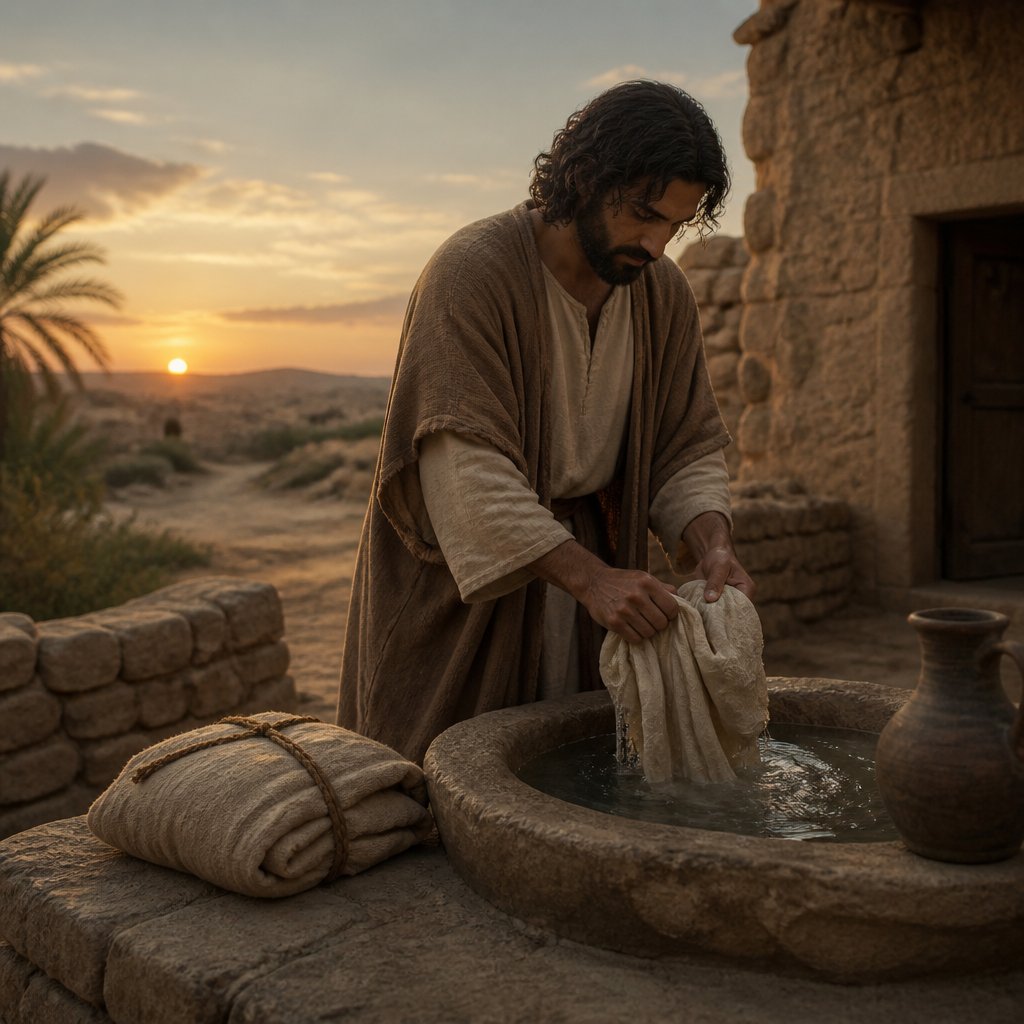
Leviticus 11:28 from the King James Version of the Bible states: "And he that beareth the carcase of them shall wash his clothes, and be unclean until the even: they are unclean unto you."
This verse is found in the Old Testament book of Leviticus, which is the third book of the Bible and is attributed to Moses. In this passage, the Lord is giving instructions to the Israelites regarding which animals are clean and unclean for food, and also which animals should be considered unclean in general.
In the context of Leviticus 11, the verse in question falls within a section that deals with creatures that live in the water and on the land. The chapter states which animals are permissible for consumption and which are not. In Leviticus 11:28, the focus is on animals that are unclean, and it sets out the requirement for anyone who comes into contact with the carcass of these unclean animals to wash their clothes and be unclean until the evening.
From a literal perspective, the verse is part of the larger sets of regulations given to the Israelites by God, and it served as a way of maintaining purity and holiness among the Israelites. The act of washing one's clothes and being unclean until the evening was a physical and symbolic way of purifying oneself after coming into contact with something considered unclean. This concept of cleanliness and purity was integral to the religious and cultural practices of the Israelites, as it was believed to set them apart as a people chosen by God.
However, beyond the literal meaning, this verse holds significant symbolic and spiritual implications.
One of the underlying themes of Leviticus 11:28 is the idea of holiness and purity. Throughout the book of Leviticus, there is a strong emphasis on maintaining purity and holiness before God. The dietary laws and regulations regarding cleanliness were meant to teach the Israelites about the importance of spiritual purity and living a life that was set apart for God. This verse, therefore, serves as a reminder of the need for spiritual cleansing and the importance of maintaining purity in our lives.
Furthermore, the concept of being unclean until the evening can also be interpreted symbolically. The idea of being unclean until the evening and then being able to go through a period of cleansing and restoration reflects the biblical concepts of repentance and redemption. Just as the individual in the verse had to undergo a period of uncleanness followed by purification, believers are called to acknowledge their sins, repent, and seek God's forgiveness and restoration. In this sense, the verse serves as a reminder of the redemptive nature of God and the opportunity for spiritual restoration.
Additionally, the verse also emphasizes the need for discernment and obedience to God's commands. The dietary laws in Leviticus were meant to teach the Israelites about the importance of obedience and following God's instructions. By adhering to these regulations, the Israelites were demonstrating their obedience and commitment to God. In a similar manner, believers today are called to be discerning about the things they allow into their lives and to be obedient to God's commands, even when they may not fully understand the reasons behind them.
In conclusion, Leviticus 11:28 is a verse that encompasses themes of holiness, purity, repentance, and obedience. While it may initially appear to be a simple regulation regarding uncleanness, it holds deeper spiritual and symbolic meaning that is relevant to believers today. It serves as a reminder of the importance of spiritual purity and obedience to God's commands, and it points to the redemptive and restorative nature of God. As such, this verse offers valuable lessons for believers seeking to live a life that is pleasing to God.
Get our apps


Artwork for Leviticus 11:28

Leviticus 11:28 - "And he that beareth the carcase of them shall wash his clothes, and be unclean until the even: they are unclean unto you."
"And he that beareth the carcase of them shall wash his clothes, and be unclean until the even: they are unclean unto you." - Leviticus 11:28

Leviticus 7:28 - "¶ And the LORD spake unto Moses, saying,"
Leviticus 11:22

Ezekiel 28:11-19

Ezekiel 28:11-19

Ezekiel 28:11-19

Ezekiel 28:11-19

Ezekiel 28:11-19

Ezekiel 28:11-19

Leviticus 22:28 - "And whether it be cow or ewe, ye shall not kill it and her young both in one day."

"¶ And the LORD spake unto Moses, saying," - Leviticus 7:28
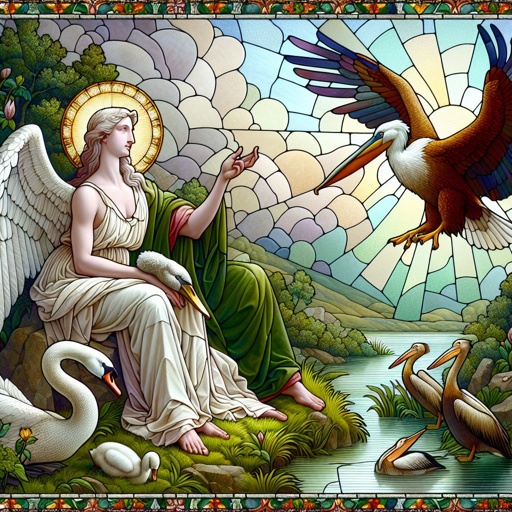
Leviticus 11:18 - "And the swan, and the pelican, and the gier eagle,"

Genesis 28-11

Matthew 28:11

Ephesians 2:8-9

Leviticus 11:17 - "And the little owl, and the cormorant, and the great owl,"

Leviticus 11:14 - "And the vulture, and the kite after his kind;"

Leviticus 11:15 - "Every raven after his kind;"

ephesians 2 8-9

Leviticus 11:30 - "And the ferret, and the chameleon, and the lizard, and the snail, and the mole."

Leviticus 18:28 - "That the land spue not you out also, when ye defile it, as it spued out the nations that were before you."

Leviticus 6:28 - "But the earthen vessel wherein it is sodden shall be broken: and if it be sodden in a brasen pot, it shall be both scoured, and rinsed in water."

Leviticus 15:28 - "But if she be cleansed of her issue, then she shall number to herself seven days, and after that she shall be clean."

Leviticus 23:28 - "And ye shall do no work in that same day: for it is a day of atonement, to make an atonement for you before the LORD your God."

Leviticus 11:19 - "And the stork, the heron after her kind, and the lapwing, and the bat."

Nehemiah 11:28 - "And at Ziklag, and at Mekonah, and in the villages thereof,"

Leviticus 26:28 - "Then I will walk contrary unto you also in fury; and I, even I, will chastise you seven times for your sins."

Leviticus 16:28 - "And he that burneth them shall wash his clothes, and bathe his flesh in water, and afterward he shall come into the camp."

Leviticus 9:11 - "And the flesh and the hide he burnt with fire without the camp."