What does Leviticus 11:36 mean?
“Nevertheless a fountain or pit, wherein there is plenty of water, shall be clean: but that which toucheth their carcase shall be unclean.” — Leviticus 11:36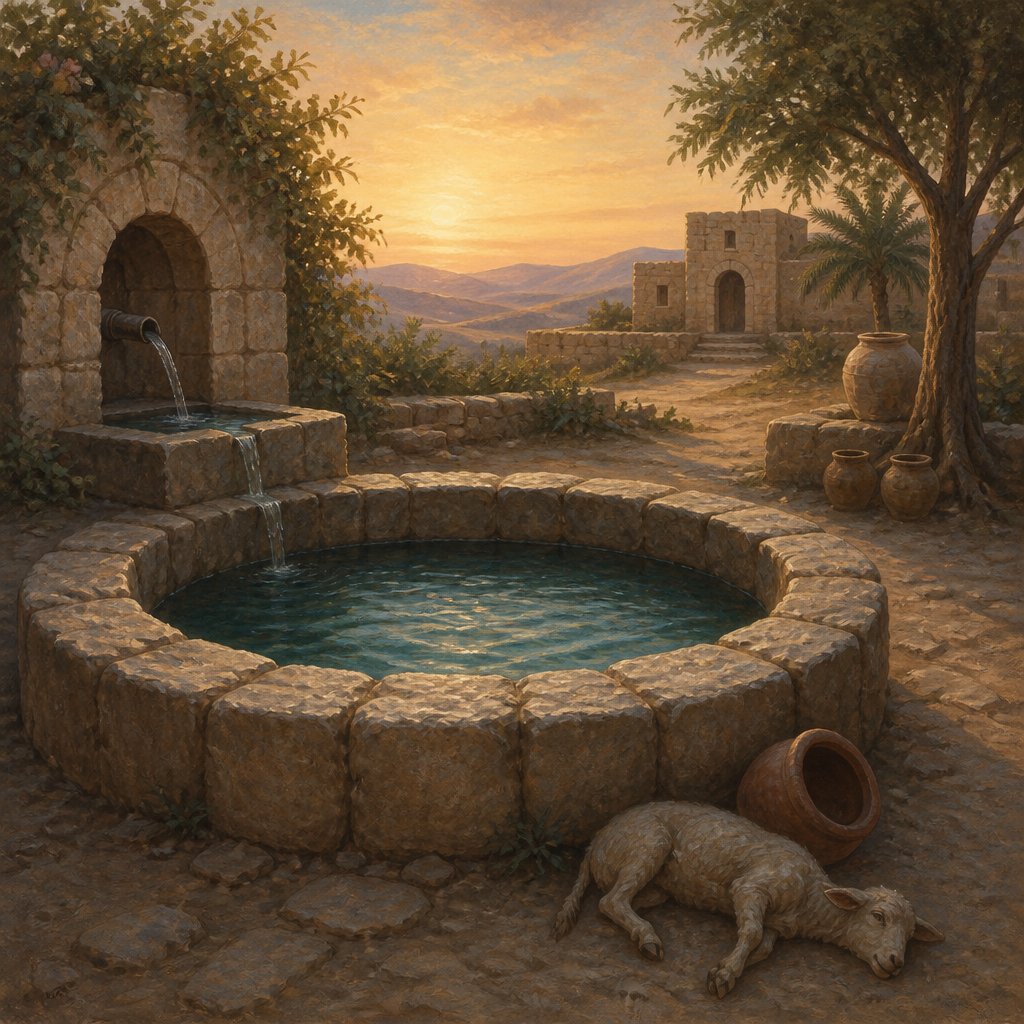
Leviticus 11:36 (KJV) states, "Nevertheless a fountain or pit, wherein there is plenty of water, shall be clean: but that which toucheth their carcase shall be unclean."
In order to fully understand the meaning and significance of this verse, it is important to delve into the context and themes of the book of Leviticus. It is the third book of the Hebrew Bible, and primarily focuses on the laws and regulations that were given to the Israelites by God through Moses. These laws were meant to govern the everyday life of the Israelites, encompassing everything from dietary restrictions to moral and ethical conduct. Leviticus is often seen as a guide for holy and righteous living, as it aims to set the Israelites apart from other nations and holy in the eyes of God.
The verse in question falls within the broader context of the dietary laws outlined in Leviticus 11. These laws dictate which animals are considered clean and appropriate for consumption, and which are unclean and prohibited. The verse highlights the principle that objects that come into contact with unclean things become unclean themselves, but it also introduces an exception to this rule in the case of a fountain or pit with an abundant supply of water.
Symbolically, the verse can be interpreted on various levels. One way to understand it is through the lens of purity and contamination. In ancient Jewish culture, water was considered a symbol of purity, and often used in purification rituals. Here, the presence of a fountain or pit with plenty of water signifies a source of cleansing and renewal. This can be seen as a metaphor for the cleansing power of God's word and spirit, which can purify and make clean that which is touched by impurity and sin.
Furthermore, the verse can also be understood as a reflection of the principle of spiritual discernment. Just as the Israelites were expected to discern between clean and unclean animals for consumption, so too are believers called to discern between what is pure and holy, and what is unclean and defiling. The mention of the fountain or pit with plenty of water serves as a reminder that amidst the contamination of the world, there is always a source of purity that can cleanse and sanctify.
The theme of cleanliness and purity is also deeply rooted in the religious and cultural context of the ancient Israelites. The concept of ritual purity was of utmost importance in their religious practices, as it was believed to be necessary for approaching and worshiping God. The dietary laws outlined in Leviticus 11 were meant to reinforce this notion, and to teach the Israelites the importance of purity in all aspects of their lives.
In conclusion, Leviticus 11:36 carries significant spiritual and symbolic meaning within the broader context of the book of Leviticus and the cultural and religious milieu of the ancient Israelites. It serves as a reminder of the importance of spiritual discernment and the cleansing power of God in the midst of impurity. The verse underscores the concept of holiness and purity as essential elements of the Israelites' relationship with God, and continues to hold relevance for believers today as a reminder of the need for spiritual discernment and the pursuit of purity in all aspects of life.
Get our apps


Artwork for Leviticus 11:36

Leviticus 11:36 - "Nevertheless a fountain or pit, wherein there is plenty of water, shall be clean: but that which toucheth their carcase shall be unclean."
"Nevertheless a fountain or pit, wherein there is plenty of water, shall be clean: but that which toucheth their carcase shall be unclean." - Leviticus 11:36
Mark 11:36

Leviticus 8:36 - "So Aaron and his sons did all things which the LORD commanded by the hand of Moses."

Leviticus 25:36 - "Take thou no usury of him, or increase: but fear thy God; that thy brother may live with thee."

Romana 11:33-36

Leviticus 13:36 - "Then the priest shall look on him: and, behold, if the scall be spread in the skin, the priest shall not seek for yellow hair; he is unclean."

Nehemiah 11:36 - "And of the Levites were divisions in Judah, and in Benjamin."

1 Chronicles 11:36 - "Hepher the Mecherathite, Ahijah the Pelonite,"

Leviticus 7:36 - "Which the LORD commanded to be given them of the children of Israel, in the day that he anointed them, by a statute for ever throughout their generations."
Leviticus 11:22

John 11:36 - "Then said the Jews, Behold how he loved him!"

Genesis 36:11 - "And the sons of Eliphaz were Teman, Omar, Zepho, and Gatam, and Kenaz."
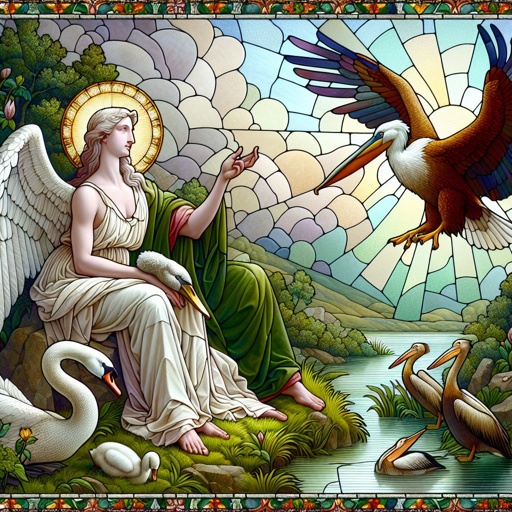
Leviticus 11:18 - "And the swan, and the pelican, and the gier eagle,"

Job 36:11 - "If they obey and serve him, they shall spend their days in prosperity, and their years in pleasures."
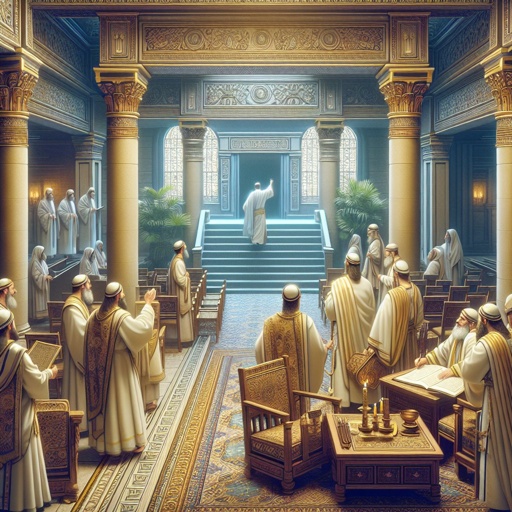
Leviticus 14:36 - "Then the priest shall command that they empty the house, before the priest go into it to see the plague, that all that is in the house be not made unclean: and afterward the priest shall go in to see the house:"
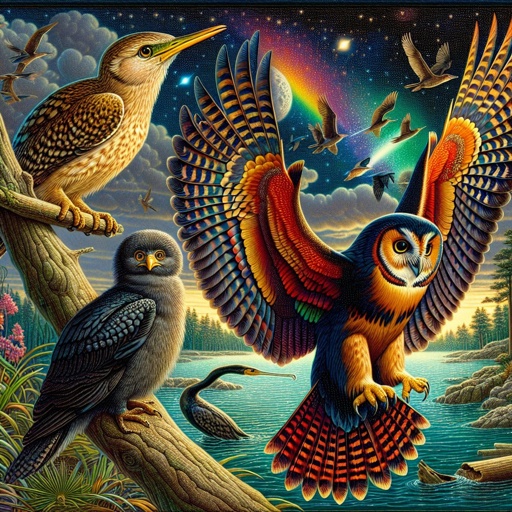
Leviticus 11:17 - "And the little owl, and the cormorant, and the great owl,"

Leviticus 11:14 - "And the vulture, and the kite after his kind;"
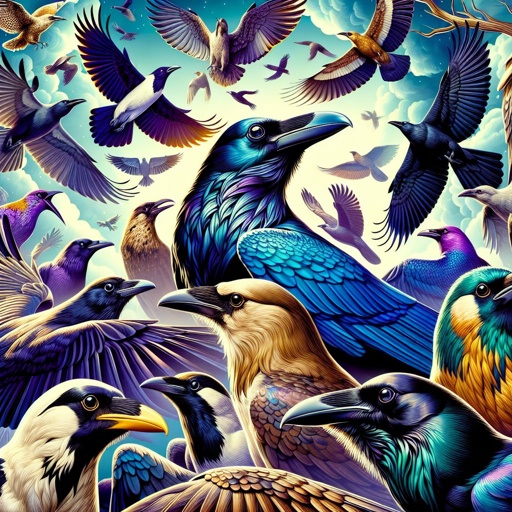
Leviticus 11:15 - "Every raven after his kind;"

Psalm 8:3-6

Romans 11:36 - "For of him, and through him, and to him, are all things: to whom be glory for ever. Amen."

Hebrews 11:36 - "And others had trial of cruel mockings and scourgings, yea, moreover of bonds and imprisonment:"

Leviticus 19:36 - "Just balances, just weights, a just ephah, and a just hin, shall ye have: I am the LORD your God, which brought you out of the land of Egypt."

Leviticus 11:30 - "And the ferret, and the chameleon, and the lizard, and the snail, and the mole."

Psalms 36:11 - "Let not the foot of pride come against me, and let not the hand of the wicked remove me."

Psalms 36 verse 3-6

"Hepher the Mecherathite, Ahijah the Pelonite," - 1 Chronicles 11:36
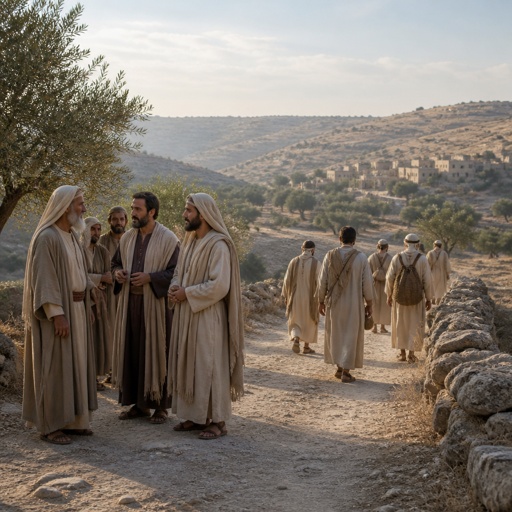
"And of the Levites were divisions in Judah, and in Benjamin." - Nehemiah 11:36

Leviticus 11:19 - "And the stork, the heron after her kind, and the lapwing, and the bat."

Numbers 36:11 - "For Mahlah, Tirzah, and Hoglah, and Milcah, and Noah, the daughters of Zelophehad, were married unto their father's brothers' sons:"