What does Leviticus 11:40 mean?
“And he that eateth of the carcase of it shall wash his clothes, and be unclean until the even: he also that beareth the carcase of it shall wash his clothes, and be unclean until the even.” — Leviticus 11:40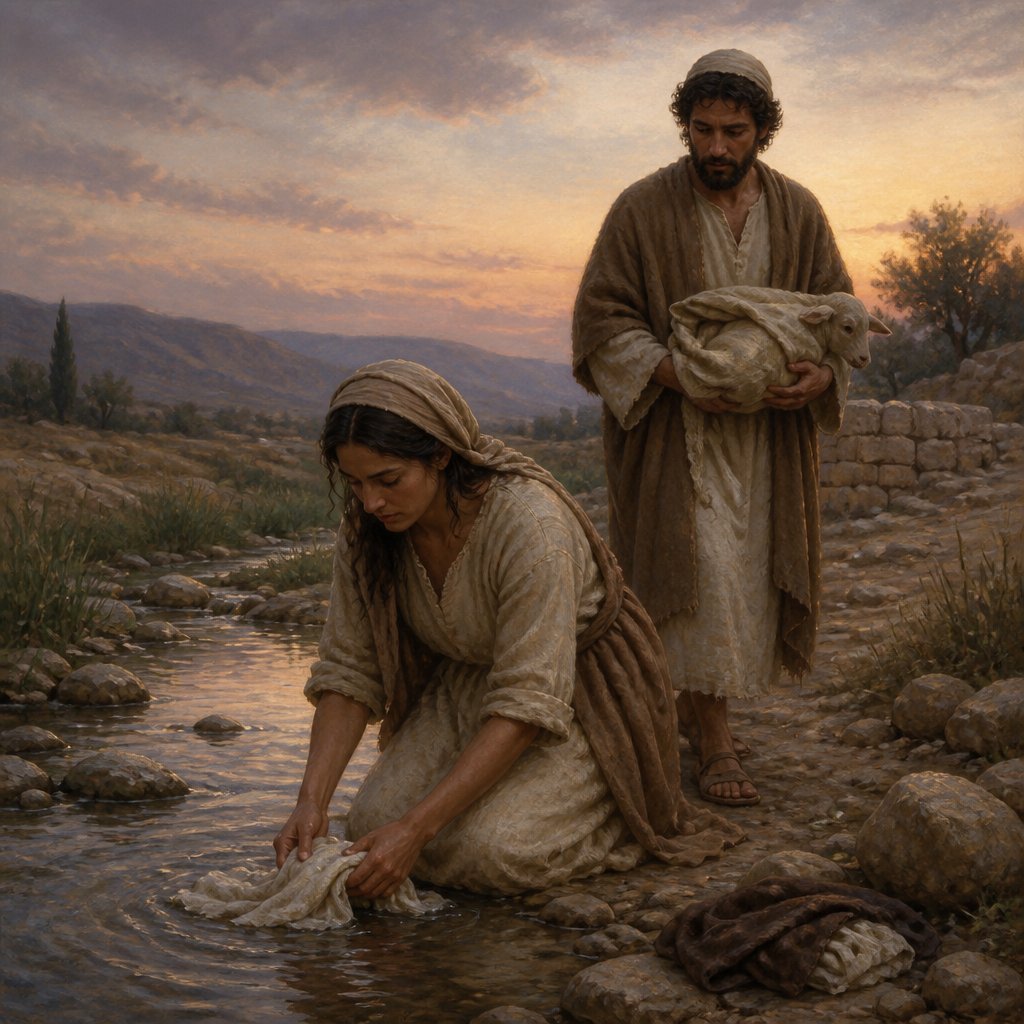
Leviticus 11:40 in the King James Version (KJV) of the Bible states, "But all that have not fins and scales in the seas, and in the rivers, of all that move in the waters, and of any living thing which is in the waters, they shall be an abomination unto you."
This verse is part of the larger context of Leviticus 11, which outlines the various dietary laws and regulations for the Israelites. In this chapter, God gives specific instructions on which animals, birds, and sea creatures are considered clean and unclean for consumption. The overarching theme of these laws is the concept of purity and holiness, as the Israelites are called to be set apart as God's chosen people.
The dietary laws presented in Leviticus 11 are a clear demonstration of the Israelites' commitment to obedience and faithfulness to God's commandments. By abstaining from certain foods, the Israelites were not only demonstrating their trust in God's wisdom and authority, but also their separation from the practices of other cultures and religions that were considered unclean or impure.
In Leviticus 11:40 specifically, the focus is on the sea creatures that do not have fins and scales. These creatures are deemed unclean and are to be considered an abomination for the Israelites. This regulation reflects the attention to detail in the dietary laws, emphasizing the importance of adhering to the specific criteria set by God for determining what is clean and unclean.
The symbolism of fins and scales in this verse is significant, as it serves as a physical and tangible representation of the distinction between what is considered clean and unclean. Fins and scales are visible and easily identifiable characteristics that differentiate certain sea creatures as appropriate for consumption, while the lack of these attributes indicates that a sea creature should be avoided.
The broader spiritual symbolism of this verse lies in the emphasis on discernment and obedience. The dietary laws in Leviticus not only serve as a means of ensuring physical health and hygiene, but they also carry a symbolic significance for the spiritual well-being of the Israelites. By adhering to these laws, the Israelites were demonstrating their willingness to trust and obey God, even in matters as seemingly mundane as dietary restrictions.
Moreover, the concept of abomination in Leviticus 11:40 is significant in understanding the severity of disobeying these laws. An abomination in the biblical context signifies something that is detestable or abhorrent in the eyes of God. By categorizing sea creatures without fins and scales as abominations, God is highlighting the importance of obedience and reverence for His commandments.
In a broader sense, the dietary laws in Leviticus 11 serve as a reminder of the Israelites' identity as God's chosen people. By adhering to these regulations, the Israelites were reaffirming their commitment to living in a way that honored and glorified God. The dietary restrictions were a visible and tangible expression of their devotion and obedience to God.
In conclusion, Leviticus 11:40, within its larger context, illustrates the importance of discernment, obedience, and faithfulness to God's commandments. The dietary laws serve as a means of reinforcing the Israelites' commitment to holiness and purity, as well as their distinctiveness as God's chosen people. The symbolism of fins and scales, along with the designation of certain sea creatures as abominations, underscores the significance of obedience and reverence for God's instructions. This verse, therefore, serves as a poignant reminder of the Israelites' calling to live in accordance with God's standards and to honor Him in all aspects of their lives.
Get our apps


Artwork for Leviticus 11:40

Leviticus 11:40 - "And he that eateth of the carcase of it shall wash his clothes, and be unclean until the even: he also that beareth the carcase of it shall wash his clothes, and be unclean until the even."
"And he that eateth of the carcase of it shall wash his clothes, and be unclean until the even: he also that beareth the carcase of it shall wash his clothes, and be unclean until the even." - Leviticus 11:40

Leviticus 25:40 - "But as an hired servant, and as a sojourner, he shall be with thee, and shall serve thee unto the year of jubile:"

Leviticus 13:40 - "And the man whose hair is fallen off his head, he is bald; yet is he clean."

Psalms 40: 1:-11

Leviticus 14:40 - "Then the priest shall command that they take away the stones in which the plague is, and they shall cast them into an unclean place without the city:"

1 Chronicles 11:40 - "Ira the Ithrite, Gareb the Ithrite,"

Leviticus 26:40 - "If they shall confess their iniquity, and the iniquity of their fathers, with their trespass which they trespassed against me, and that also they have walked contrary unto me;"

Exodus 40:11 - "And thou shalt anoint the laver and his foot, and sanctify it."
Leviticus 11:22

the jewish holidays mentioned in leviticus 23:1 until 23:40 combined in one picture,

Judges 11:40 - "That the daughters of Israel went yearly to lament the daughter of Jephthah the Gileadite four days in a year."
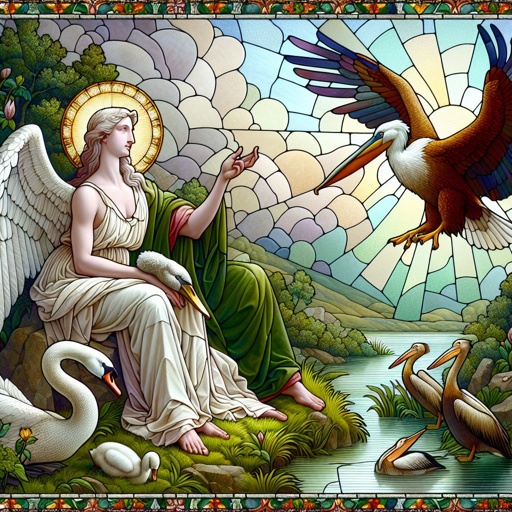
Leviticus 11:18 - "And the swan, and the pelican, and the gier eagle,"

Ezekiel 40:11 - "And he measured the breadth of the entry of the gate, ten cubits; and the length of the gate, thirteen cubits."

Luke 11:40 - "Ye fools, did not he that made that which is without make that which is within also?"

Job 40:11 - "Cast abroad the rage of thy wrath: and behold every one that is proud, and abase him."

"Ira the Ithrite, Gareb the Ithrite," - 1 Chronicles 11:40

the jewish holidays mentioned in leviticus 23:1 until 23:40 combined in one picture, with hebrew names in hebrew charactes

Hebrews 11:40 - "God having provided some better thing for us, that they without us should not be made perfect."
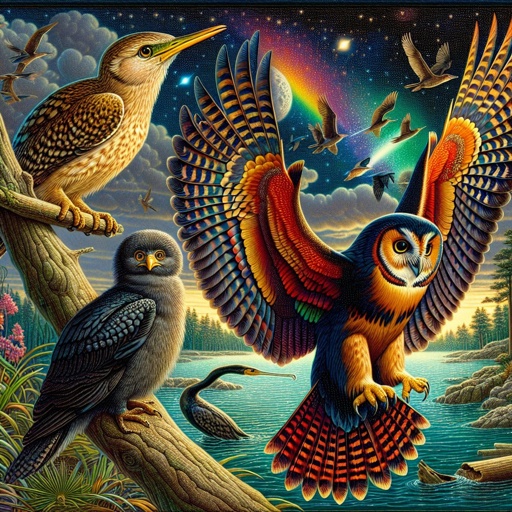
Leviticus 11:17 - "And the little owl, and the cormorant, and the great owl,"

Leviticus 11:14 - "And the vulture, and the kite after his kind;"
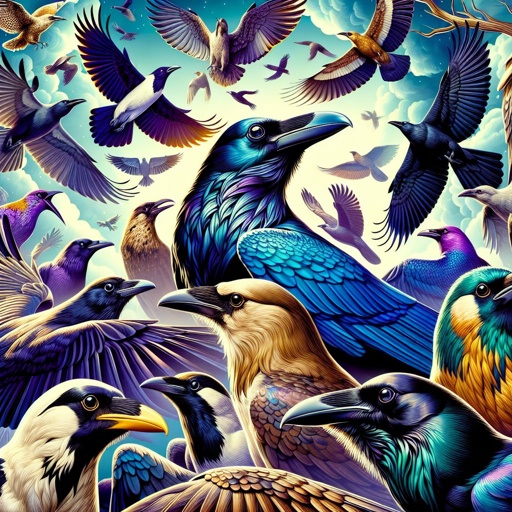
Leviticus 11:15 - "Every raven after his kind;"

Leviticus 11:30 - "And the ferret, and the chameleon, and the lizard, and the snail, and the mole."

Leviticus 11:19 - "And the stork, the heron after her kind, and the lapwing, and the bat."

Leviticus 23:40 - "And ye shall take you on the first day the boughs of goodly trees, branches of palm trees, and the boughs of thick trees, and willows of the brook; and ye shall rejoice before the LORD your God seven days."

Leviticus 9:11 - "And the flesh and the hide he burnt with fire without the camp."
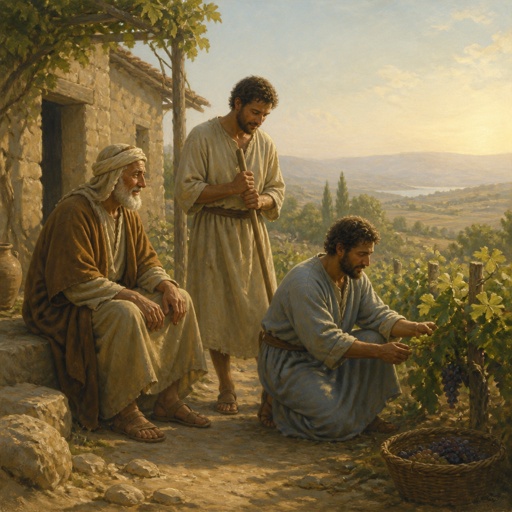
"But as an hired servant, and as a sojourner, he shall be with thee, and shall serve thee unto the year of jubile:" - Leviticus 25:40
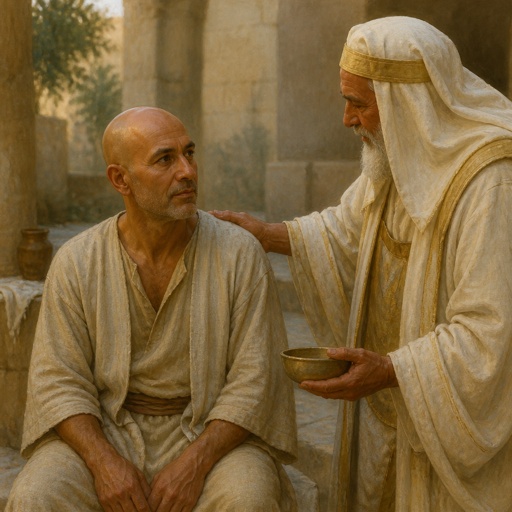
"And the man whose hair is fallen off his head, he is bald; yet is he clean." - Leviticus 13:40

John 11:40 - "Jesus saith unto her, Said I not unto thee, that, if thou wouldest believe, thou shouldest see the glory of God?"

"And thou shalt anoint the laver and his foot, and sanctify it." - Exodus 40:11