What does Leviticus 11:5 mean?
“And the coney, because he cheweth the cud, but divideth not the hoof; he is unclean unto you.” — Leviticus 11:5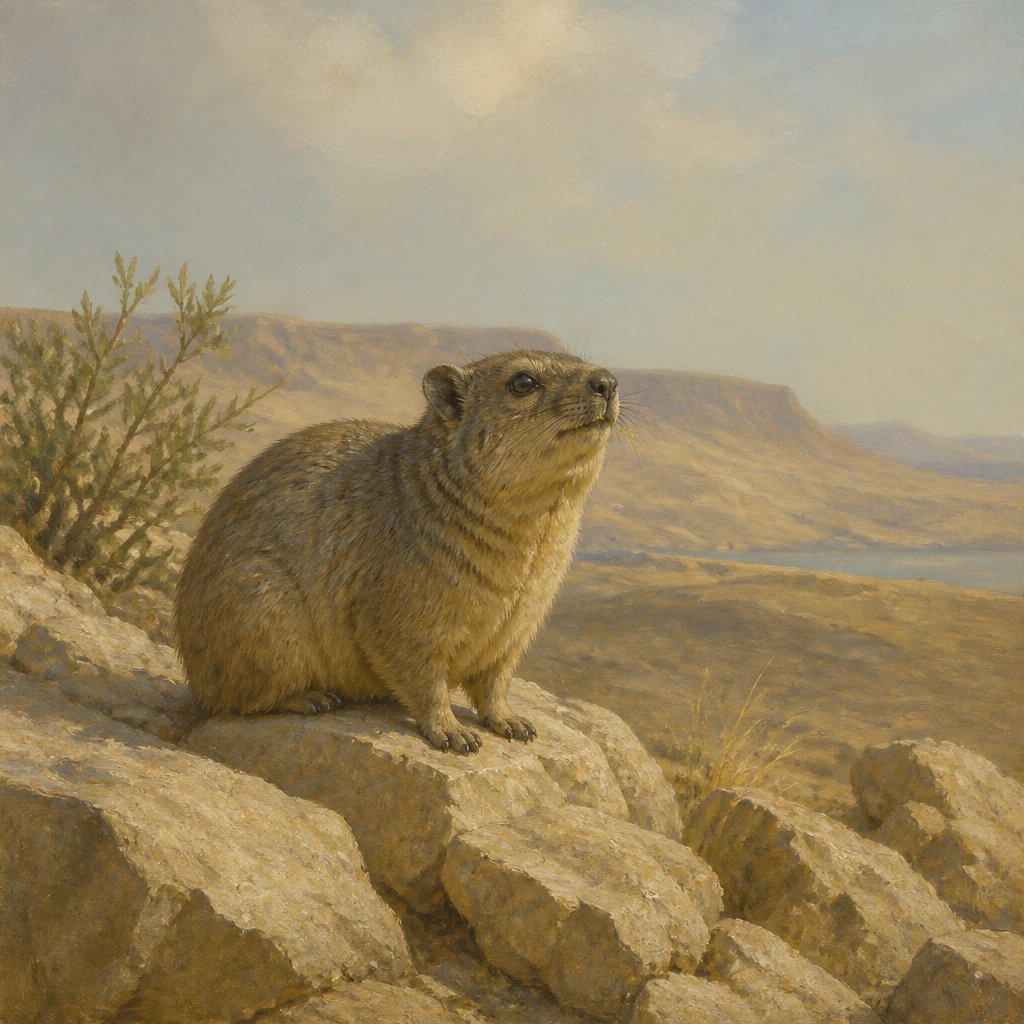
Leviticus 11:5, according to the King James Version (KJV), states, "And the coney, because he cheweth the cud, but divideth not the hoof; he is unclean unto you." This verse is part of a larger passage in Leviticus that provides instructions on what animals the Israelites were allowed to eat and which ones they were prohibited from consuming. The passage is part of the Holiness Code, a set of regulations meant to set the Israelites apart as a holy people.
The coney, also known as a hyrax, is a small, rabbit-like animal found in the Middle East, and is often misunderstood as a rodent. The coney’s eating habits resemble those of cud-chewing animals, as they have a digestive system similar to that of ruminants, such as cows and sheep. However, the coney does not have split hooves, which are a requirement for an animal to be considered “clean” in the eyes of the Israelites.
The broader theme of this passage and verse is the concept of clean and unclean animals. This concept is central to the dietary laws found in the Hebrew Bible, and it serves a dual purpose. First, it functions as a way to maintain the purity and distinction of the Israelites as a chosen people. By abstaining from certain foods, they are able to set themselves apart from other cultures and maintain their identity as a separate and holy nation. This concept of purity and distinction is prevalent throughout the book of Leviticus, as it is concerned with maintaining a holy and sanctified community.
Secondly, the dietary laws are a way to promote health and hygiene among the Israelites. Many of the animals listed as unclean in Leviticus 11 are carnivorous or scavengers, and the consumption of their meat could lead to health issues. By adhering to these dietary laws, the Israelites were able to avoid potential health risks and foodborne illnesses.
In addition to the broader theme of purity and holiness, this verse also functions as a symbolic reminder of the importance of discernment and discerning what is clean and unclean. The coney’s ambiguous status as a cud-chewing animal that does not have split hooves serves as a reminder of the need for discernment and discerning between what is pure and impure. This concept of discernment is important for the Israelites in their everyday lives, as they are meant to be a people set apart and constantly aware of what is considered clean and unclean in the eyes of God.
The context of this verse within the book of Leviticus is significant. The book is primarily concerned with providing guidelines for living a holy and sanctified life. This includes regulations for sacrifices, priestly conduct, ethical behavior, and dietary laws. The Holiness Code found in Leviticus emphasizes the importance of living a life that is set apart and pleasing to God. The dietary laws serve as a practical and symbolic way for the Israelites to adhere to this mandate of holiness.
Overall, Leviticus 11:5 and the broader passage it is a part of provide important insights into the concept of purity and holiness in the Hebrew Bible. The dietary laws outlined in this passage serve both practical and symbolic purposes, and they are a significant aspect of the Israelites’ identity as a chosen and holy people. Additionally, this verse serves as a reminder of the importance of discernment and maintaining a sense of what is clean and unclean in the eyes of God. It is a reminder to the Israelites to be mindful of their actions and to be constantly aware of what is considered holy in the sight of God.
Get our apps


Artwork for Leviticus 11:5

Leviticus 11:5 - "And the coney, because he cheweth the cud, but divideth not the hoof; he is unclean unto you."
"And the coney, because he cheweth the cud, but divideth not the hoof; he is unclean unto you." - Leviticus 11:5
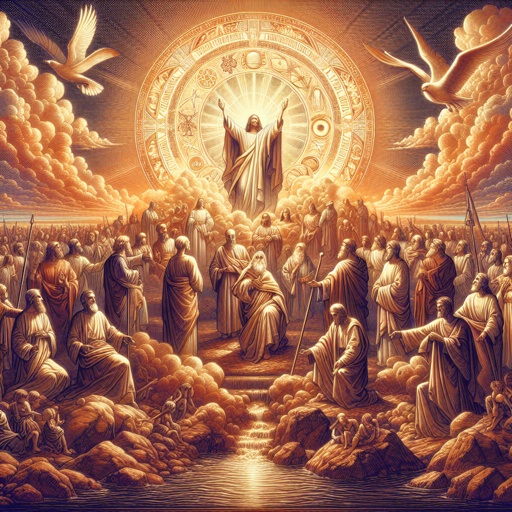
Leviticus 11:22
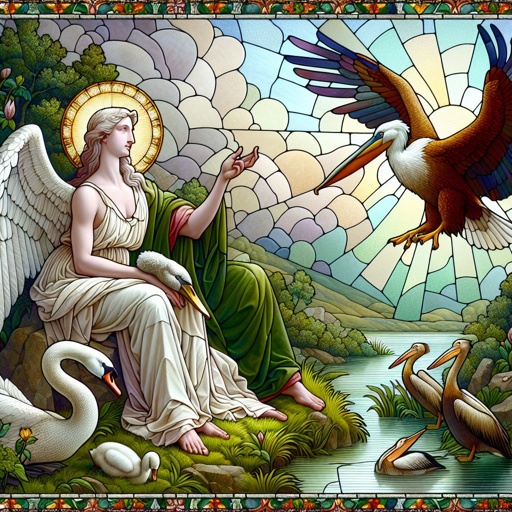
Leviticus 11:18 - "And the swan, and the pelican, and the gier eagle,"
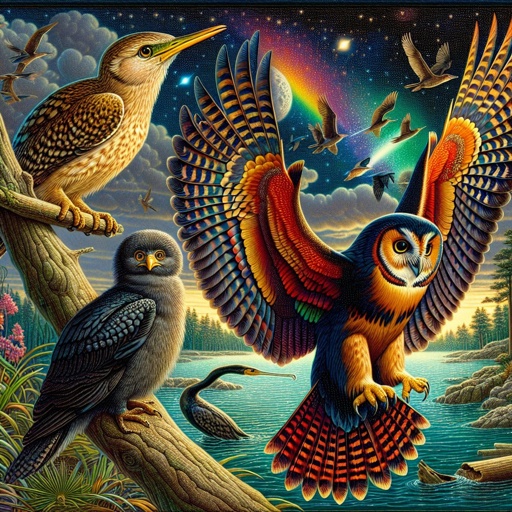
Leviticus 11:17 - "And the little owl, and the cormorant, and the great owl,"

Leviticus 11:14 - "And the vulture, and the kite after his kind;"
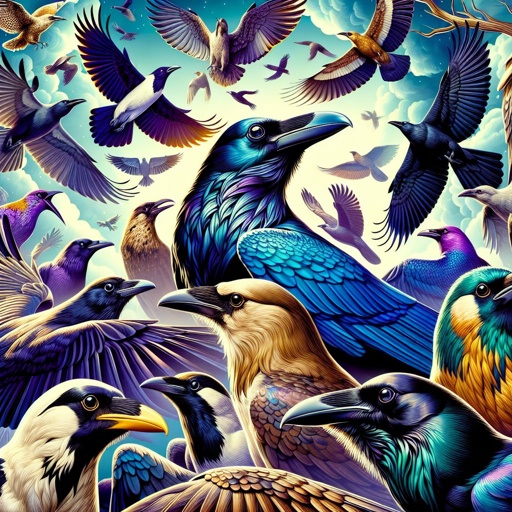
Leviticus 11:15 - "Every raven after his kind;"
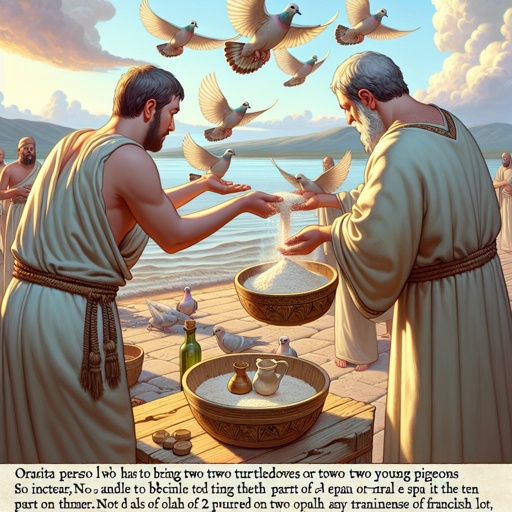
Leviticus 5:11 - "¶ But if he be not able to bring two turtledoves, or two young pigeons, then he that sinned shall bring for his offering the tenth part of an ephah of fine flour for a sin offering; he shall put no oil upon it, neither shall he put any frankincense thereon: for it is a sin offering."

Leviticus 11:30 - "And the ferret, and the chameleon, and the lizard, and the snail, and the mole."
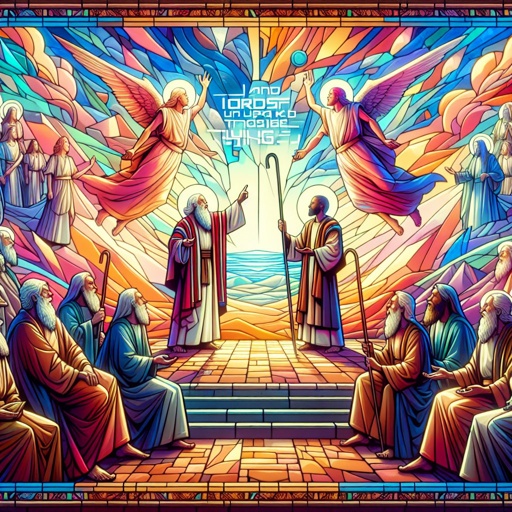
Leviticus 5:14 - "¶ And the LORD spake unto Moses, saying,"

Leviticus 11:19 - "And the stork, the heron after her kind, and the lapwing, and the bat."

Leviticus 5:5 - "And it shall be, when he shall be guilty in one of these things, that he shall confess that he hath sinned in that thing:"

Leviticus 9:11 - "And the flesh and the hide he burnt with fire without the camp."

Leviticus 23:5 - "In the fourteenth day of the first month at even is the LORD'S passover."

Leviticus 11:1 - "And the LORD spake unto Moses and to Aaron, saying unto them,"

Leviticus 11:16 - "And the owl, and the night hawk, and the cuckow, and the hawk after his kind,"

Leviticus 5:19 - "It is a trespass offering: he hath certainly trespassed against the LORD."

Leviticus 11:41 - "And every creeping thing that creepeth upon the earth shall be an abomination; it shall not be eaten."

Leviticus 19:11 - "¶ Ye shall not steal, neither deal falsely, neither lie one to another."

Leviticus 7:11 - "And this is the law of the sacrifice of peace offerings, which he shall offer unto the LORD."

Leviticus 8:5 - "And Moses said unto the congregation, This is the thing which the LORD commanded to be done."
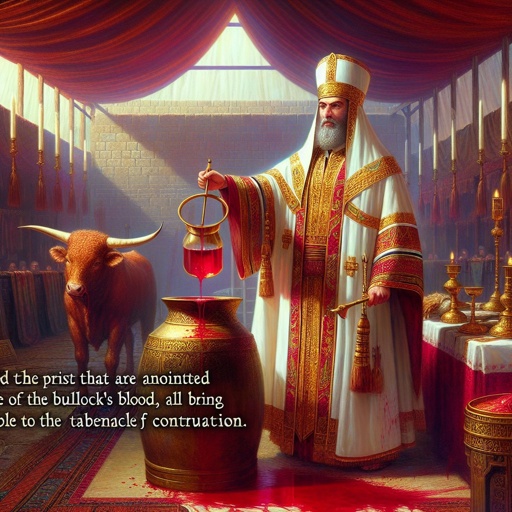
Leviticus 4:5 - "And the priest that is anointed shall take of the bullock's blood, and bring it to the tabernacle of the congregation:"

"And the swan, and the pelican, and the gier eagle," - Leviticus 11:18

Leviticus 11:12 - "Whatsoever hath no fins nor scales in the waters, that shall be an abomination unto you."

Leviticus 11:8 - "Of their flesh shall ye not eat, and their carcase shall ye not touch; they are unclean to you."

Leviticus 26:11 - "And I will set my tabernacle among you: and my soul shall not abhor you."

Leviticus 3:11 - "And the priest shall burn it upon the altar: it is the food of the offering made by fire unto the LORD."

Leviticus 11:24 - "And for these ye shall be unclean: whosoever toucheth the carcase of them shall be unclean until the even."

Leviticus 11:20 - "All fowls that creep, going upon all four, shall be an abomination unto you."

Leviticus 11:3 - "Whatsoever parteth the hoof, and is clovenfooted, and cheweth the cud, among the beasts, that shall ye eat."