What does Leviticus 13:17 mean?
“And the priest shall see him: and, behold, if the plague be turned into white; then the priest shall pronounce him clean that hath the plague: he is clean.” — Leviticus 13:17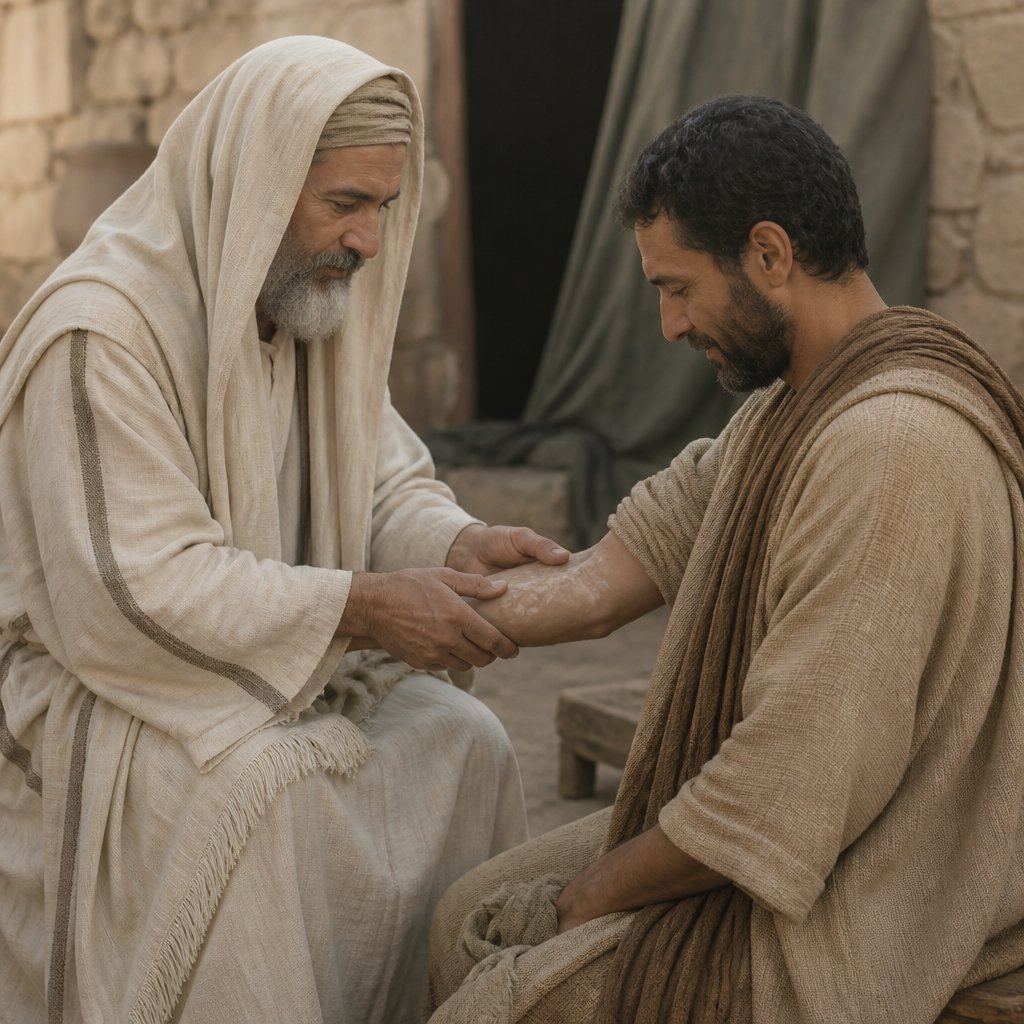
Leviticus 13:17 (KJV) states, "And the priest shall see him: and, behold, if the plague be turned into white; then the priest shall pronounce him clean that hath the plague: he is clean."
This verse is part of the larger passage in Leviticus 13 that deals with the laws regarding leprosy and other skin diseases. In ancient times, leprosy was a feared and highly stigmatized disease, often considered a punishment from God for sin. The chapter outlines the process by which a priest would examine a person's skin condition and determine whether they were clean or unclean.
In the context of the larger passage, this verse emphasizes the role of the priest as a mediator between the afflicted individual and God. The priest's examination is seen as a divine judgment, with the power to declare someone clean or unclean. This highlights the spiritual and moral dimensions of the physical ailment, connecting it to the broader themes of sin, impurity, and atonement in Leviticus.
The verse also contains significant symbolism, particularly in the contrast between the plague turning white and the individual being pronounced clean. In biblical symbolism, the color white often represents purity, cleanliness, and righteousness. The transformation from a diseased condition to a state of whiteness can be seen as a metaphor for spiritual renewal and healing. This suggests the possibility of redemption and restoration, even in the face of physical and spiritual affliction.
Furthermore, the process outlined in this verse reflects the broader themes of mercy and compassion in the Old Testament. Despite the fear and stigma surrounding leprosy, the Mosaic law provides a framework for addressing the needs of those who are suffering. The fact that the priest is instructed to pronounce the individual clean, rather than leaving them in a perpetual state of uncleanness, suggests an underlying concern for their well-being and dignity.
From a theological perspective, this verse can also be understood in relation to the New Testament concept of Jesus as the ultimate mediator and healer. In the gospels, Jesus frequently engages with those who are suffering from leprosy, demonstrating compassion and offering physical and spiritual healing. His actions can be seen as fulfilling and transcending the priestly role outlined in Leviticus, providing a new and transformative understanding of purity and uncleanness.
In a broader sense, this verse can also be interpreted as a reflection of the complexity of human experience. The physical and spiritual dimensions of the skin disease, the involvement of the priest as a religious authority, and the potential for transformation all speak to the multifaceted nature of human existence. This complexity is a recurring theme throughout the Bible, reflecting the interplay of sin and grace, disease and healing, judgment and mercy.
In conclusion, Leviticus 13:17 offers a rich and multifaceted exploration of the themes of purity, impurity, and healing in the context of ancient Israelite society. The role of the priest as a mediator, the symbolism of the plague turning white, and the broader theological implications all contribute to a deeper understanding of the verse. Ultimately, this verse reminds us of the enduring human need for compassion, restoration, and spiritual renewal, themes that resonate across time and culture.
Get our apps


Artwork for Leviticus 13:17

Leviticus 13:17 - "And the priest shall see him: and, behold, if the plague be turned into white; then the priest shall pronounce him clean that hath the plague: he is clean."
"And the priest shall see him: and, behold, if the plague be turned into white; then the priest shall pronounce him clean that hath the plague: he is clean." - Leviticus 13:17
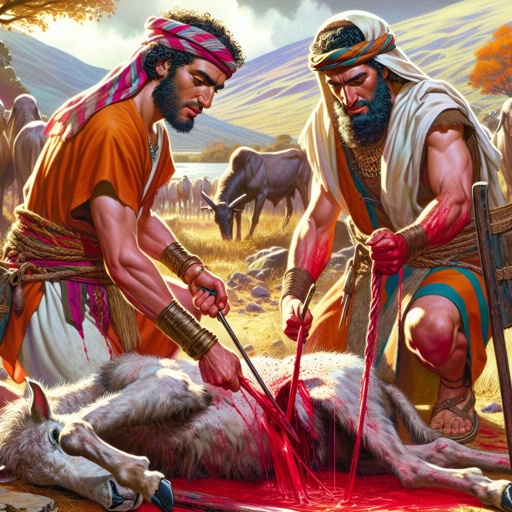
Leviticus 17:13 - "And whatsoever man there be of the children of Israel, or of the strangers that sojourn among you, which hunteth and catcheth any beast or fowl that may be eaten; he shall even pour out the blood thereof, and cover it with dust."

Leviticus 17:7

Leviticus 23:17-22

Leviticus 11:17 - "And the little owl, and the cormorant, and the great owl,"

Leviticus 22:17 - "¶ And the LORD spake unto Moses, saying,"

Leviticus 17:1 - "And the LORD spake unto Moses, saying,"

Leviticus 7:17 - "But the remainder of the flesh of the sacrifice on the third day shall be burnt with fire."

Leviticus 24:13 - "And the LORD spake unto Moses, saying,"

Leviticus 21:13 - "And he shall take a wife in her virginity."

Leviticus 13:1 - "And the LORD spake unto Moses and Aaron, saying,"

Leviticus 24:17 - "¶ And he that killeth any man shall surely be put to death."

Leviticus 13:35 - "But if the scall spread much in the skin after his cleansing;"

Leviticus 13:29 - "¶ If a man or woman have a plague upon the head or the beard;"

Leviticus 13:18 - "¶ The flesh also, in which, even in the skin thereof, was a boil, and is healed,"

Leviticus 13:14 - "But when raw flesh appeareth in him, he shall be unclean."

Leviticus 13:47 - "¶ The garment also that the plague of leprosy is in, whether it be a woollen garment, or a linen garment;"

Leviticus 13:9 - "¶ When the plague of leprosy is in a man, then he shall be brought unto the priest;"

Leviticus 17:3 - "What man soever there be of the house of Israel, that killeth an ox, or lamb, or goat, in the camp, or that killeth it out of the camp,"

Leviticus 15:17 - "And every garment, and every skin, whereon is the seed of copulation, shall be washed with water, and be unclean until the even."

Leviticus 13:22 - "And if it spread much abroad in the skin, then the priest shall pronounce him unclean: it is a plague."

Leviticus 25:13 - "In the year of this jubile ye shall return every man unto his possession."

Leviticus 6:13 - "The fire shall ever be burning upon the altar; it shall never go out."

"¶ And the LORD spake unto Moses, saying," - Leviticus 22:17

"And the LORD spake unto Moses, saying," - Leviticus 17:1

"And the little owl, and the cormorant, and the great owl," - Leviticus 11:17

Leviticus 27:17 - "If he sanctify his field from the year of jubile, according to thy estimation it shall stand."

Leviticus 17:16 - "But if he wash them not, nor bathe his flesh; then he shall bear his iniquity."

Genesis 17-13