What does Leviticus 13:29 mean?
“If a man or woman have a plague upon the head or the beard;” — Leviticus 13:29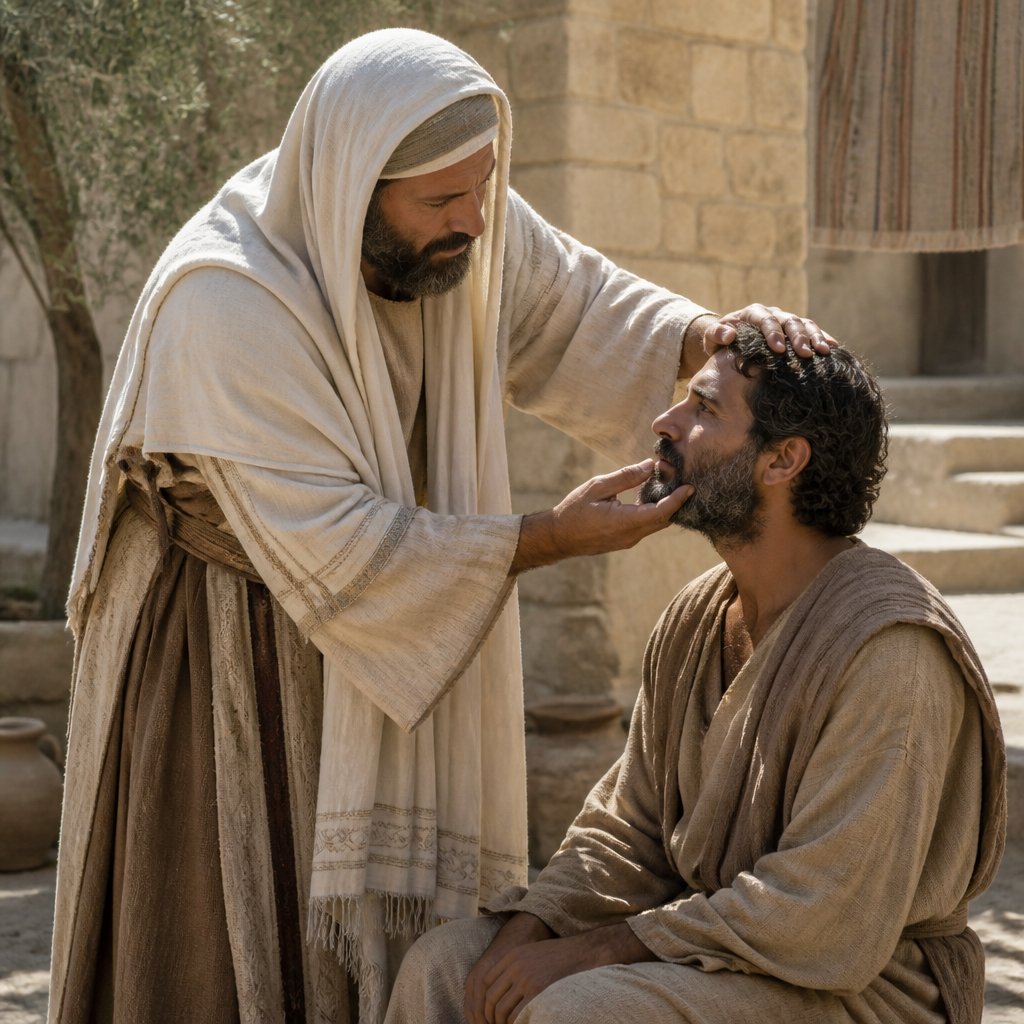
Leviticus 13:29 in the King James Version of the Bible reads: "If a man or woman have a plague upon the head or the beard."
To fully understand the significance and context of this verse, it is important to delve into the book of Leviticus as a whole, as well as the historical and cultural backdrop in which it was written.
Leviticus is the third book of the Hebrew Bible and is traditionally attributed to Moses. It is a central text in the Torah, and it focuses on priestly rituals, purity laws, and regulations for the Israelite community. The book is often seen as a guide for maintaining holiness and proper worship. In particular, Chapter 13 addresses the topic of skin diseases and leprosy, and outlines the procedures for identifying and dealing with such afflictions.
The verse in question, Leviticus 13:29, specifically addresses the presence of a "plague" on the head or the beard of a man or woman. In ancient times, skin diseases and bodily ailments were often viewed as a sign of impurity or divine punishment. As such, the presence of a plague on the head or beard would have been cause for concern and would have required the individual to undergo a specific process of examination and purification.
The emphasis on the head and beard is significant, as these are both highly visible parts of the body. In many cultures, the head and facial hair hold symbolic and cultural importance. The state of one's hair and beard can be associated with ideas of strength, maturity, and even spiritual significance. Therefore, the presence of a plague in these areas could have been seen as particularly troubling and worthy of attention.
In a broader sense, this verse can be seen as a reflection of the ancient Israelites' understanding of illness and impurity. The detailed instructions for identifying and responding to skin diseases reflect a society that placed a strong emphasis on ritual purity and cleanliness. The approach outlined in Leviticus 13 served not only practical purposes of preventing the spread of contagious diseases but also spiritual and religious purposes, as the removal of impurity was essential for maintaining a state of holiness.
In terms of symbolism, the mention of a plague on the head or beard can be interpreted metaphorically as well. The head is often associated with intellect and leadership, while the beard is seen as a symbol of masculinity and honor. Therefore, a plague in these areas could represent a corruption or defilement of these virtues. From a spiritual standpoint, it could be seen as a metaphor for a lack of moral or ethical uprightness. This interpretation aligns with the broader themes of holiness and purity that are prevalent throughout the book of Leviticus.
Overall, Leviticus 13:29 serves as an insight into the ancient Israelite understanding of illness, impurity, and the importance of ritual purification. It reflects a society that placed a strong emphasis on maintaining physical, spiritual, and moral cleanliness. While the specific instructions for identifying and addressing skin diseases may no longer have the same practical application in modern times, the broader themes of spiritual purity and ethical integrity remain relevant. The verse encourages readers to consider the importance of maintaining personal holiness and ethical conduct, both in a religious sense and in a broader moral and social context.
Get our apps


Artwork for Leviticus 13:29

Leviticus 13:29 - "¶ If a man or woman have a plague upon the head or the beard;"
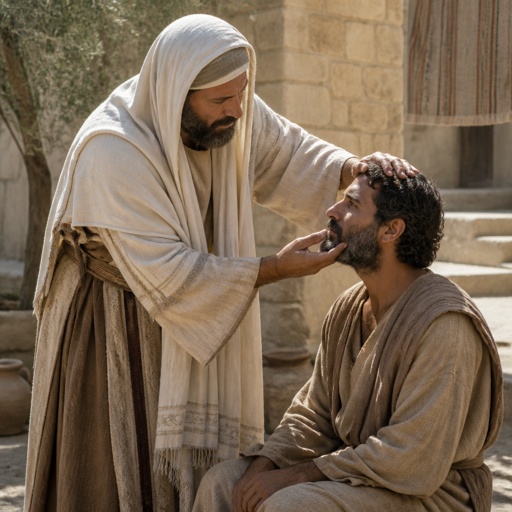
"¶ If a man or woman have a plague upon the head or the beard;" - Leviticus 13:29

Leviticus 6:29 - "All the males among the priests shall eat thereof: it is most holy."

Jeremiah 29:11-13

Jeremiah 29:11-13

Jeremiah 29:11-13

Jeremiah 29:11-13

Leviticus 22:29 - "And when ye will offer a sacrifice of thanksgiving unto the LORD, offer it at your own will."

Leviticus 23:29 - "For whatsoever soul it be that shall not be afflicted in that same day, he shall be cut off from among his people."

Leviticus 24:13 - "And the LORD spake unto Moses, saying,"

Leviticus 8:29 - "And Moses took the breast, and waved it for a wave offering before the LORD: for of the ram of consecration it was Moses' part; as the LORD commanded Moses."

Leviticus 19:29 - "¶ Do not prostitute thy daughter, to cause her to be a whore; lest the land fall to whoredom, and the land become full of wickedness."

Leviticus 18:29 - "For whosoever shall commit any of these abominations, even the souls that commit them shall be cut off from among their people."

Leviticus 4:29 - "And he shall lay his hand upon the head of the sin offering, and slay the sin offering in the place of the burnt offering."

Leviticus 21:13 - "And he shall take a wife in her virginity."

Leviticus 13:1 - "And the LORD spake unto Moses and Aaron, saying,"

Leviticus 14:29 - "And the rest of the oil that is in the priest's hand he shall put upon the head of him that is to be cleansed, to make an atonement for him before the LORD."

Leviticus 13:35 - "But if the scall spread much in the skin after his cleansing;"

Exodus 13:17-14:29

Leviticus 11:29 - "¶ These also shall be unclean unto you among the creeping things that creep upon the earth; the weasel, and the mouse, and the tortoise after his kind,"

Leviticus 13:18 - "¶ The flesh also, in which, even in the skin thereof, was a boil, and is healed,"

Leviticus 13:14 - "But when raw flesh appeareth in him, he shall be unclean."

Leviticus 13:47 - "¶ The garment also that the plague of leprosy is in, whether it be a woollen garment, or a linen garment;"

Leviticus 13:9 - "¶ When the plague of leprosy is in a man, then he shall be brought unto the priest;"

Leviticus 15:29 - "And on the eighth day she shall take unto her two turtles, or two young pigeons, and bring them unto the priest, to the door of the tabernacle of the congregation."

Leviticus 27:29 - "None devoted, which shall be devoted of men, shall be redeemed; but shall surely be put to death." The image should not depict explicit or offensive content but be symbolic.

Leviticus 13:22 - "And if it spread much abroad in the skin, then the priest shall pronounce him unclean: it is a plague."

Leviticus 25:13 - "In the year of this jubile ye shall return every man unto his possession."

Leviticus 6:13 - "The fire shall ever be burning upon the altar; it shall never go out."

Leviticus 25:29 - "And if a man sell a dwelling house in a walled city, then he may redeem it within a whole year after it is sold; within a full year may he redeem it."