What does Leviticus 14:40 mean?
“Then the priest shall command that they take away the stones in which the plague is, and they shall cast them into an unclean place without the city:” — Leviticus 14:40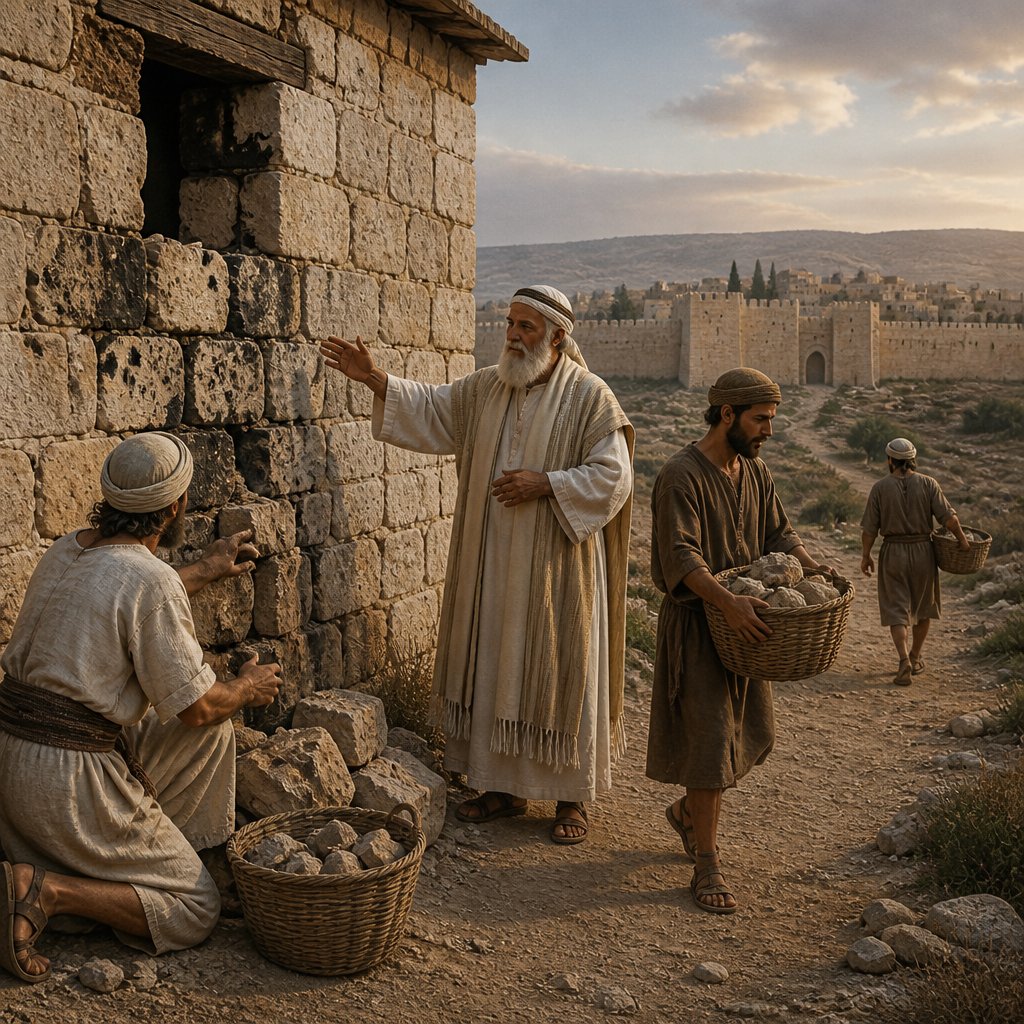
Leviticus 14:40 (KJV) states, "Then the priest shall command that they take away the stones in which the plague is, and they shall cast them into an unclean place without the city."
The book of Leviticus is a part of the Torah, which is the central reference in the religious and legal literature of Judaism. It is also a key part of the Christian Bible, where it is included as part of the Old Testament. Leviticus specifically focuses on the laws and rituals of the Israelite people, including those related to purification, sin offerings, and ceremonial cleanliness. The verse in question describes a specific ritual to be performed in cases of a plague affecting a house.
In the context of this verse, the stones mentioned are those of a house that has been infected with a plague. The priest is tasked with inspecting the house to determine the extent of the affliction and then commands the removal of the affected stones. The stones are then to be taken to an unclean place outside the city, signifying their impurity.
One possible interpretation of this verse is a symbolic one. The infected house may be seen as a representation of spiritual impurity or sin within the community. The removal and disposal of the infected stones can be seen as a purification process, a cleansing of the impurity from the midst of the people. In this way, the verse can be understood to reflect the importance of identifying and removing whatever causes spiritual contamination, emphasizing the need for purity and holiness in the community.
The act of casting the stones into an unclean place outside the city implies that the impurity is to be completely removed and kept separate from the living areas of the people. The concept of cleanliness and impurity is a recurrent theme throughout Leviticus and the wider biblical tradition. It is not only about physical cleanliness but also encompasses spiritual purity and moral integrity. The removal of the infected stones serves as a visual reminder of the importance of maintaining spiritual and moral purity in the community.
The mention of the priest's involvement is significant as well. In the biblical context, the priest held a central role in mediating between God and the people, as well as in performing the rituals and offerings necessary for atonement and purification. The priest's role in this verse underscores the importance of spiritual leadership in guiding the community towards purity and moral rectitude.
Symbolism is also present in the act of casting the stones into an unclean place. This action may be seen as a form of removal and banishment, separating the impure from the pure. It calls to mind the biblical theme of separation between the holy and the profane, the righteous and the sinful. The act of casting away the stones functions as a cleansing and purging of impurity from the community, reinforcing the notion of maintaining moral and spiritual purity.
In conclusion, Leviticus 14:40 from the King James Version of the Bible offers profound insight into the themes of purity, cleansing, and spiritual integrity. The verse underscores the importance of identifying and removing impurity from the community, representing the need for spiritual and moral purity. The involvement of the priest and the symbolic act of casting away the stones both serve to emphasize the significance of spiritual leadership and the separation of the clean from the unclean. Overall, this verse provides valuable lessons on the importance of maintaining purity and righteousness within the community.
Get our apps


Artwork for Leviticus 14:40

Leviticus 14:40 - "Then the priest shall command that they take away the stones in which the plague is, and they shall cast them into an unclean place without the city:"
"Then the priest shall command that they take away the stones in which the plague is, and they shall cast them into an unclean place without the city:" - Leviticus 14:40

Leviticus 25:40 - "But as an hired servant, and as a sojourner, he shall be with thee, and shall serve thee unto the year of jubile:"

Leviticus 13:40 - "And the man whose hair is fallen off his head, he is bald; yet is he clean."

1 Corinthians 14:36-40

1 Corinthians 14:39-40

Leviticus 26:40 - "If they shall confess their iniquity, and the iniquity of their fathers, with their trespass which they trespassed against me, and that also they have walked contrary unto me;"

1 Corinthians 14:40 - "Let all things be done decently and in order."

Leviticus 14:51

Exodus 40:14 - "And thou shalt bring his sons, and clothe them with coats:"

the jewish holidays mentioned in leviticus 23:1 until 23:40 combined in one picture,

Leviticus 14:55 - "And for the leprosy of a garment, and of a house,"

Leviticus 14:56 - "And for a rising, and for a scab, and for a bright spot:"

Leviticus 11:40 - "And he that eateth of the carcase of it shall wash his clothes, and be unclean until the even: he also that beareth the carcase of it shall wash his clothes, and be unclean until the even."

Leviticus 14:1 - "And the LORD spake unto Moses, saying,"

Leviticus 11:14 - "And the vulture, and the kite after his kind;"

Leviticus 5:14 - "¶ And the LORD spake unto Moses, saying,"

Job 40:14 - "Then will I also confess unto thee that thine own right hand can save thee."

the jewish holidays mentioned in leviticus 23:1 until 23:40 combined in one picture, with hebrew names in hebrew charactes

Ezekiel 40:14 - "He made also posts of threescore cubits, even unto the post of the court round about the gate."

Leviticus 14:54 - "This is the law for all manner of plague of leprosy, and scall,"

Leviticus 26:14 - "¶ But if ye will not hearken unto me, and will not do all these commandments;"

Leviticus 14:33 - "¶ And the LORD spake unto Moses and unto Aaron, saying,"

Leviticus 14:57 - "To teach when it is unclean, and when it is clean: this is the law of leprosy."

"And for the leprosy of a garment, and of a house," - Leviticus 14:55

Leviticus 23:40 - "And ye shall take you on the first day the boughs of goodly trees, branches of palm trees, and the boughs of thick trees, and willows of the brook; and ye shall rejoice before the LORD your God seven days."

Leviticus 13:14 - "But when raw flesh appeareth in him, he shall be unclean."

Mark 14:40 - "And when he returned, he found them asleep again, (for their eyes were heavy,) neither wist they what to answer him."
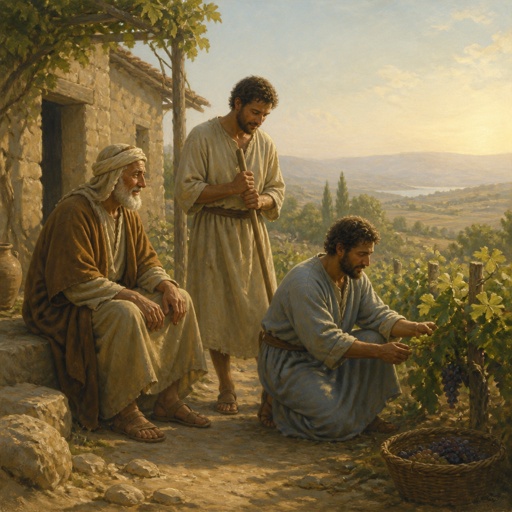
"But as an hired servant, and as a sojourner, he shall be with thee, and shall serve thee unto the year of jubile:" - Leviticus 25:40
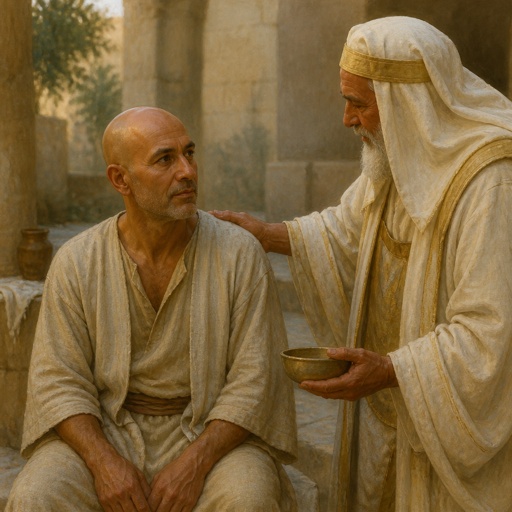
"And the man whose hair is fallen off his head, he is bald; yet is he clean." - Leviticus 13:40