What does Leviticus 15:23 mean?
“And if it be on her bed, or on any thing whereon she sitteth, when he toucheth it, he shall be unclean until the even.” — Leviticus 15:23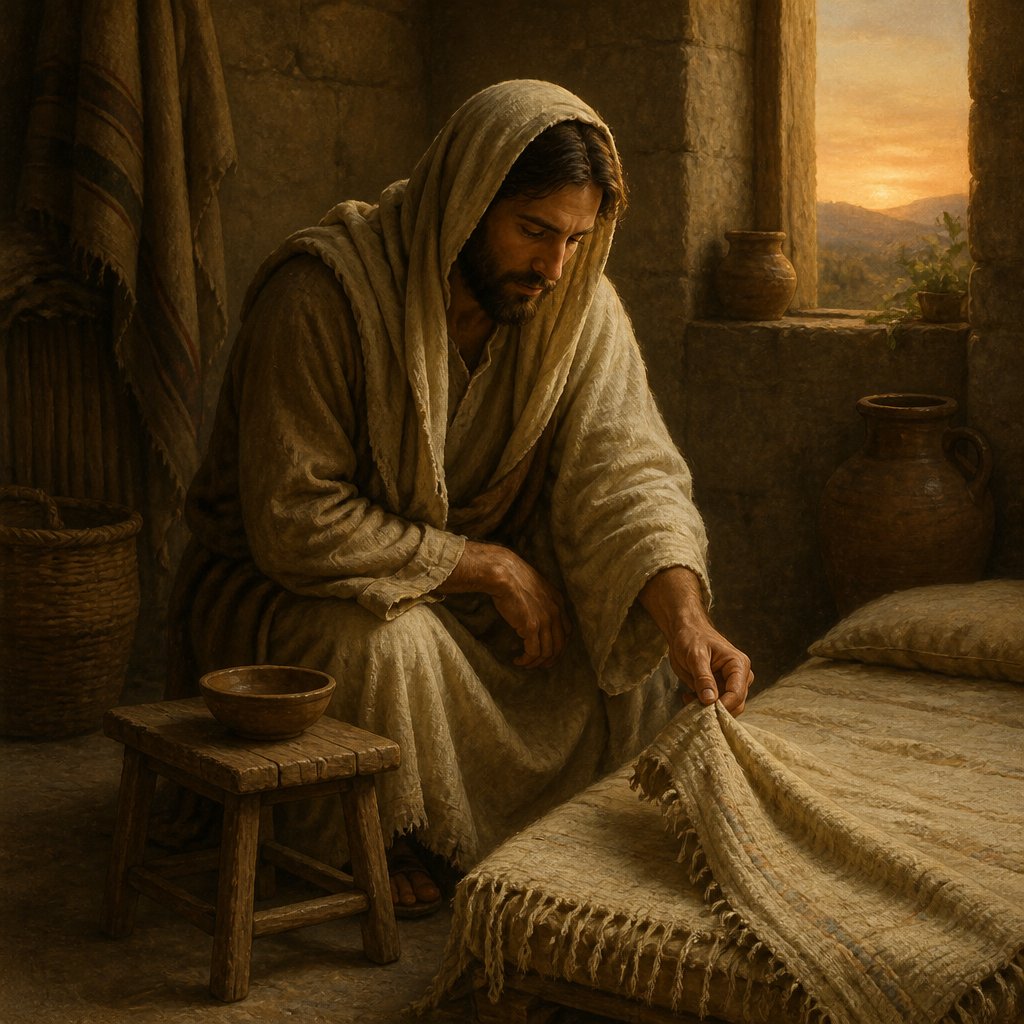
Leviticus 15:23 in the King James Version of the Bible reads, "And if it be on her bed, or on any thing whereon she sitteth, when he toucheth it, he shall be unclean until the even."
This verse is part of a larger section in the book of Leviticus, which deals with laws and regulations related to bodily discharges and impurity. In this particular passage, the focus is on a woman who is experiencing menstrual bleeding. The verse stipulates that anything the woman sits or lies on during her menstrual period becomes unclean, and anyone who touches it also becomes unclean until the evening.
This verse is part of the Holiness Code found in the book of Leviticus, which outlines the guidelines for maintaining ritual and moral purity within the community of Israel. The regulations are intended to set the Israelites apart from other nations and cultivate a sense of holiness and reverence for God. The laws concerning menstruation and bodily discharges are meant to establish a clear boundary between what is considered clean and unclean, and to provide a framework for maintaining purity in daily life.
One of the key themes in this verse is the idea of ritual impurity. In ancient Israelite society, purity and impurity were central concepts that governed various aspects of life, including worship, social interactions, and everyday activities. The regulations outlined in Leviticus served as a means of reinforcing the distinction between the sacred and the profane, and of emphasizing the importance of maintaining purity before God.
The verse also reflects the patriarchal nature of ancient Israelite society, as it focuses specifically on the ritual impurity associated with a woman's menstrual cycle. In this context, menstruation was seen as a source of impurity, and women were required to undergo ritual purification after their period in order to be considered clean and able to participate in religious practices.
Furthermore, this verse highlights the concept of contagion, or the transference of impurity from one person or object to another. The idea that someone who touches something contaminated by a woman's menstrual blood becomes unclean illustrates a belief in the contagious nature of impurity and the need to take precautions to prevent its spread.
In addition to its ritual and cultural significance, this verse also holds symbolic meaning. It serves as a reminder of the importance of maintaining spiritual purity and the need for boundaries and discipline in one's life. The emphasis on ritual impurity can be seen as a metaphor for the moral and spiritual impurity that can affect individuals and communities, and the need to address and overcome these impurities in order to maintain a close relationship with God.
From a historical perspective, this verse provides insight into the social and religious practices of ancient Israelite society. It reflects the unique cultural and religious framework of the Israelites, and the ways in which they sought to express their devotion to God through specific rituals and regulations.
Overall, Leviticus 15:23 is a verse that reflects the ancient Israelite understanding of ritual impurity and the measures taken to maintain purity within the community. It provides a window into the cultural and religious practices of the time, while also conveying deeper themes related to spiritual discipline, purity, and the need for boundaries in one's life. While the specific regulations outlined in this verse may not hold the same significance in modern society, it still offers valuable insights into the historical and cultural context of the biblical world.
Get our apps


Artwork for Leviticus 15:23

Leviticus 15:23 - "And if it be on her bed, or on any thing whereon she sitteth, when he toucheth it, he shall be unclean until the even."
"And if it be on her bed, or on any thing whereon she sitteth, when he toucheth it, he shall be unclean until the even." - Leviticus 15:23

Leviticus 23:15-22

Leviticus 23:15 - "¶ And ye shall count unto you from the morrow after the sabbath, from the day that ye brought the sheaf of the wave offering; seven sabbaths shall be complete:"

Leviticus 23:23 - "¶ And the LORD spake unto Moses, saying,"

Leviticus 23:21

Leviticus 23:21

Leviticus 23:21

Leviticus 23:21

Leviticus 23:21

Leviticus 23:20

Leviticus 23:21

Leviticus 23:17-22

Leviticus 24:20-23

"¶ And the LORD spake unto Moses, saying," - Leviticus 23:23

Leviticus 23:26 - "¶ And the LORD spake unto Moses, saying,"

Leviticus 23:1 - "And the LORD spake unto Moses, saying,"

Leviticus 23:33 - "¶ And the LORD spake unto Moses, saying,"

Leviticus 23:9 - "¶ And the LORD spake unto Moses, saying,"

Leviticus 23:5 - "In the fourteenth day of the first month at even is the LORD'S passover."

Leviticus 23:44 - "And Moses declared unto the children of Israel the feasts of the LORD."

Leviticus 11:15 - "Every raven after his kind;"

Leviticus 26:23 - "And if ye will not be reformed by me by these things, but will walk contrary unto me;"

the jewish holidays mentioned in leviticus 23:1 until 23:40 combined in one picture,

Leviticus 6:23 - "For every meat offering for the priest shall be wholly burnt: it shall not be eaten."

Leviticus 15:1 - "And the LORD spake unto Moses and to Aaron, saying,"

Leviticus 25:23 - "¶ The land shall not be sold for ever: for the land is mine; for ye are strangers and sojourners with me."

Leviticus 23:4 - "¶ These are the feasts of the LORD, even holy convocations, which ye shall proclaim in their seasons."

Exodus 15:23

Matthew 15:23