What does Leviticus 15:9 mean?
“And what saddle soever he rideth upon that hath the issue shall be unclean.” — Leviticus 15:9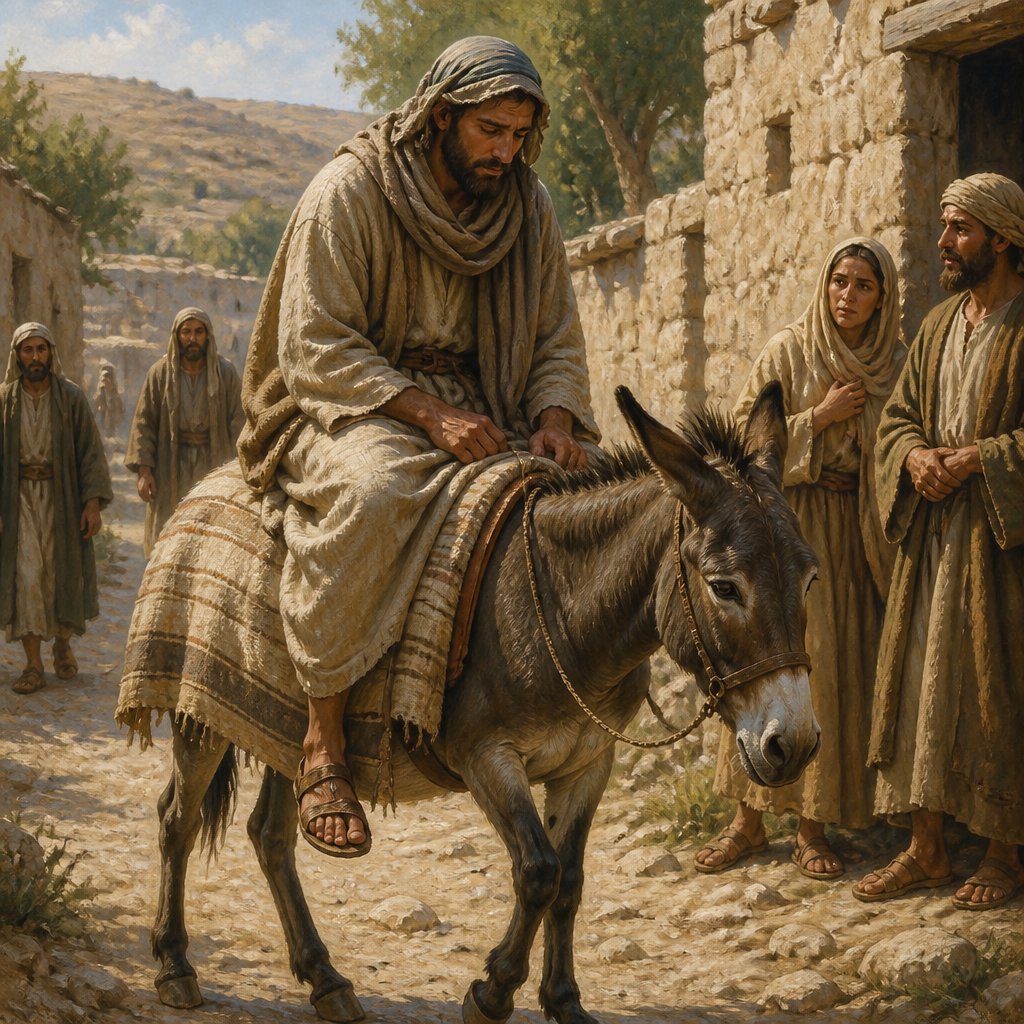
Leviticus 15:9 in the King James Version of the Bible reads, "And what saddle soever he rideth upon that hath the issue shall be unclean." This verse is part of a larger passage in the book of Leviticus that deals with the laws of ritual impurity, particularly those related to bodily discharges.
In the context of the larger passage, this verse is part of a section that outlines the various ways in which a person can become ritually impure. According to the laws of Leviticus, any bodily discharge, whether from a man or a woman, renders the individual ritually impure. This includes discharges of blood, semen, or any other bodily fluid. The specific verse in question refers to a person who has an issue, or discharge, riding on a saddle, which makes the saddle itself unclean.
From a historical and cultural perspective, it's important to understand that these laws were not just about cleanliness in a physical sense, but were also deeply tied to the religious and spiritual beliefs of the ancient Israelites. Ritual impurity was seen as a state of being that separated individuals from the divine, and it was essential for the Israelites to maintain purity in order to be in right relationship with God.
One of the key themes in Leviticus 15:9 is the importance of maintaining purity and holiness. The passage as a whole emphasizes the need for individuals to be conscious of their bodily discharges and to take measures to prevent the spread of impurity. This reflects a broader concern for maintaining purity in all aspects of life, as the Israelites believed that holiness was closely tied to their ability to be in communion with God.
The symbolism in this verse is tied to the idea of cleanliness and purity. The saddle mentioned in the verse is representative of an object that comes into contact with the impure individual and thereby becomes unclean itself. This serves as a reminder that impurity can be transmitted and must be carefully managed to prevent the spread of impurity throughout the community. The symbolism of the saddle also highlights the need for individuals to be mindful of their actions and the potential for those actions to impact others.
From a theological perspective, Leviticus 15:9 is part of the larger framework of the Mosaic Law, which was given to the Israelites by God as a means of governing their religious and daily lives. While many of the specific laws outlined in Leviticus may seem foreign or outdated to modern readers, they were foundational to the religious identity of the Israelites at the time. The laws served to define and preserve the distinctive identity of the Israelites as a people set apart for God.
In conclusion, Leviticus 15:9 is a verse that reflects the ancient Israelite laws regarding ritual impurity and the need for individuals to maintain cleanliness and holiness. While these laws may seem foreign to modern readers, they were an essential part of the religious and cultural identity of the Israelites at the time. The verse serves as a reminder of the importance of maintaining purity and being mindful of the potential for impurity to impact others. It also highlights the broader theological themes of holiness and the importance of being in right relationship with God.
Get our apps


Artwork for Leviticus 15:9

Leviticus 15:9 - "And what saddle soever he rideth upon that hath the issue shall be unclean."
"And what saddle soever he rideth upon that hath the issue shall be unclean." - Leviticus 15:9

Leviticus 9:15 - "¶ And he brought the people's offering, and took the goat, which was the sin offering for the people, and slew it, and offered it for sin, as the first."
"¶ And he brought the people's offering, and took the goat, which was the sin offering for the people, and slew it, and offered it for sin, as the first." - Leviticus 9:15

Leviticus 23:15-22

Leviticus 11:15 - "Every raven after his kind;"

Leviticus 15:1 - "And the LORD spake unto Moses and to Aaron, saying,"

Leviticus 23:9 - "¶ And the LORD spake unto Moses, saying,"

Leviticus 9:16 - "And he brought the burnt offering, and offered it according to the manner."

Leviticus 15:15 - "And the priest shall offer them, the one for a sin offering, and the other for a burnt offering; and the priest shall make an atonement for him before the LORD for his issue."

Leviticus 9:11 - "And the flesh and the hide he burnt with fire without the camp."

Leviticus 2:15 - "And thou shalt put oil upon it, and lay frankincense thereon: it is a meat offering."

Leviticus 22:15 - "And they shall not profane the holy things of the children of Israel, which they offer unto the LORD;"

Leviticus 13:9 - "¶ When the plague of leprosy is in a man, then he shall be brought unto the priest;"

Leviticus 9:20 - "And they put the fat upon the breasts, and he burnt the fat upon the altar:"

Leviticus 9:9 - "And the sons of Aaron brought the blood unto him: and he dipped his finger in the blood, and put it upon the horns of the altar, and poured out the blood at the bottom of the altar:"

Leviticus 15:17 - "And every garment, and every skin, whereon is the seed of copulation, shall be washed with water, and be unclean until the even."

Leviticus 13:15 - "And the priest shall see the raw flesh, and pronounce him to be unclean: for the raw flesh is unclean: it is a leprosy."

Leviticus 14:15 - "And the priest shall take some of the log of oil, and pour it into the palm of his own left hand:"

"Every raven after his kind;" - Leviticus 11:15

Leviticus 9:14 - "And he did wash the inwards and the legs, and burnt them upon the burnt offering on the altar."

Leviticus 9:8 - "¶ Aaron therefore went unto the altar, and slew the calf of the sin offering, which was for himself."

Leviticus 9:1 - "And it came to pass on the eighth day, that Moses called Aaron and his sons, and the elders of Israel;"

Leviticus 21:15 - "Neither shall he profane his seed among his people: for I the LORD do sanctify him."

Leviticus 15:21 - "And whosoever toucheth her bed shall wash his clothes, and bathe himself in water, and be unclean until the even."

Leviticus 15:33 - "And of her that is sick of her flowers, and of him that hath an issue, of the man, and of the woman, and of him that lieth with her that is unclean."

Leviticus 9:19 - "And the fat of the bullock and of the ram, the rump, and that which covereth the inwards, and the kidneys, and the caul above the liver:"

Leviticus 9:21 - "And the breasts and the right shoulder Aaron waved for a wave offering before the LORD; as Moses commanded."

Leviticus 7:9 - "And all the meat offering that is baken in the oven, and all that is dressed in the fryingpan, and in the pan, shall be the priest's that offereth it."
Rev 9:15