What does Leviticus 16:17 mean?
“And there shall be no man in the tabernacle of the congregation when he goeth in to make an atonement in the holy place, until he come out, and have made an atonement for himself, and for his household, and for all the congregation of Israel.” — Leviticus 16:17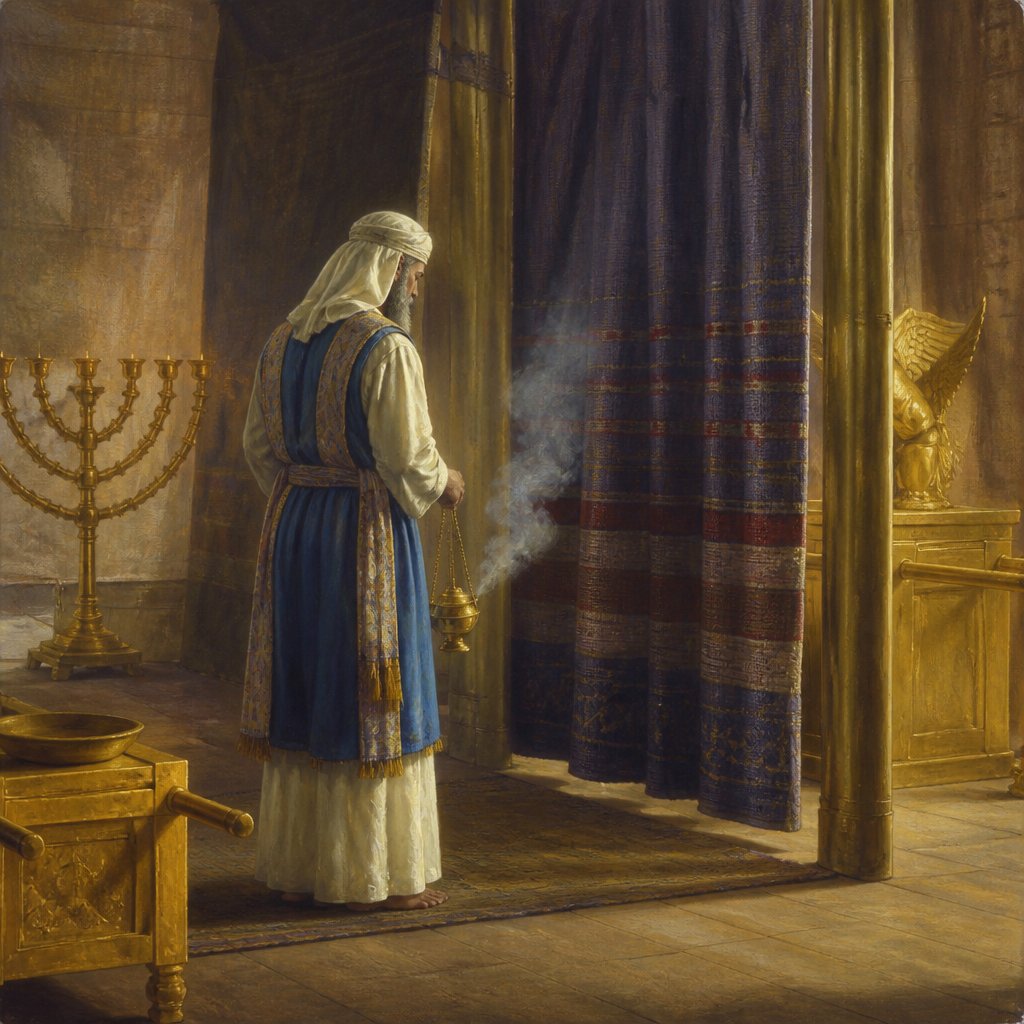
Leviticus 16:17 in the King James Version of the Bible reads: "And there shall be no man in the tabernacle of the congregation when he goeth in to make an atonement in the holy place, until he come out, and have made an atonement for himself, and for his household, and for all the congregation of Israel."
This verse is part of the instructions given to the Israelites regarding the Day of Atonement, also known as Yom Kippur. The Day of Atonement was the most solemn and important day in the religious calendar of ancient Israel. It was a day of fasting, repentance, and seeking forgiveness for sins, both personal and collective. The high priest played a crucial role in performing the rituals and sacrifices necessary for atonement, and Leviticus 16 provides detailed instructions for the procedures to be followed on this day.
The verse emphasizes the solemnity and exclusivity of the high priest's actions in the tabernacle of the congregation. The tabernacle was the sacred dwelling place of God among his people, and only the high priest was allowed to enter the holy place on this day. The presence of any other person was forbidden during the high priest's atonement rituals, highlighting the purity and sanctity of the tasks at hand.
The verse also underscores the high priest's responsibilities to make atonement for himself, his household, and the entire congregation of Israel. This highlights the idea of corporate responsibility for sin and the need for collective repentance and forgiveness. The atonement rituals were not only for individual transgressions but also for the sins of the community as a whole, emphasizing the interconnectedness of the people of Israel and their shared spiritual accountability.
The themes of holiness, repentance, and forgiveness are central to Leviticus 16:17. The verse reflects the belief that atonement is necessary for maintaining a right relationship with God and for restoring the spiritual purity of the community. The imagery of the high priest alone in the holy place, carrying out the solemn and sacred duties of atonement, conveys a sense of reverence and awe for the ritual and the God it seeks to appease.
The context of this verse is important in understanding its significance. The book of Leviticus is part of the Torah, the first five books of the Hebrew Bible, and it contains a detailed set of laws and rituals that governed the lives of the ancient Israelites. The regulations regarding the Day of Atonement were central to the religious and cultural identity of the Israelite people, and they provided a framework for understanding sin, guilt, and the process of seeking reconciliation with God.
From a symbolic perspective, the high priest in this verse can be seen as a mediator between God and the people, representing the role of Jesus Christ as the ultimate high priest in Christian theology. The atonement rituals in Leviticus foreshadow the concept of atonement and redemption through the sacrifice of Jesus on the cross, highlighting the continuity and fulfillment of these ancient practices in Christian belief.
In conclusion, Leviticus 16:17 offers a profound insight into the religious and spiritual worldview of the ancient Israelites, emphasizing the importance of atonement, repentance, and forgiveness in maintaining a harmonious relationship with God and with one another. The verse conveys a sense of awe and reverence for the sacred rituals of the Day of Atonement, and it invites contemplation on the nature of sin, guilt, and the yearning for spiritual purity and reconciliation. As such, it continues to hold significance for religious and moral reflection in modern times.
Get our apps


Artwork for Leviticus 16:17

Leviticus 16:17 - "And there shall be no man in the tabernacle of the congregation when he goeth in to make an atonement in the holy place, until he come out, and have made an atonement for himself, and for his household, and for all the congregation of Israel."
"And there shall be no man in the tabernacle of the congregation when he goeth in to make an atonement in the holy place, until he come out, and have made an atonement for himself, and for his household, and for all the congregation of Israel." - Leviticus 16:17

Leviticus 17:16 - "But if he wash them not, nor bathe his flesh; then he shall bear his iniquity."
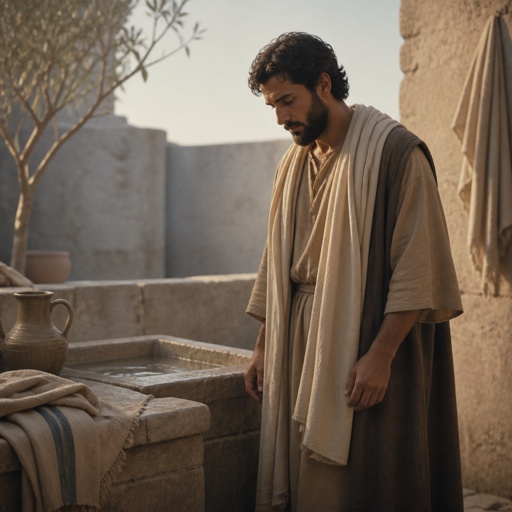
"But if he wash them not, nor bathe his flesh; then he shall bear his iniquity." - Leviticus 17:16

Leviticus 17:7

Leviticus 16:8

Leviticus 23:17-22

Leviticus 11:17 - "And the little owl, and the cormorant, and the great owl,"

Leviticus 22:17 - "¶ And the LORD spake unto Moses, saying,"

leviticus 16:7-10

Leviticus 17:1 - "And the LORD spake unto Moses, saying,"

Leviticus 21:16 - "¶ And the LORD spake unto Moses, saying,"

Leviticus 7:17 - "But the remainder of the flesh of the sacrifice on the third day shall be burnt with fire."

Leviticus 9:16 - "And he brought the burnt offering, and offered it according to the manner."

Leviticus 24:17 - "¶ And he that killeth any man shall surely be put to death."

Leviticus 4:16 - "And the priest that is anointed shall bring of the bullock's blood to the tabernacle of the congregation:"

Leviticus 11:16 - "And the owl, and the night hawk, and the cuckow, and the hawk after his kind,"

Leviticus 16:25 - "And the fat of the sin offering shall he burn upon the altar."

Galatians 5:16-17

Galatians 5:16-17

1 corinthians 3:16-17

1 corinthians 3:16-17

1 corinthians 3:16-17

Leviticus 18:16 - "Thou shalt not uncover the nakedness of thy brother's wife: it is thy brother's nakedness."

Genesis 17-16

Romans 16:17

Romans 16:17

Acts 16:17

Romans 16:17

Leviticus 17:3 - "What man soever there be of the house of Israel, that killeth an ox, or lamb, or goat, in the camp, or that killeth it out of the camp,"