What does Leviticus 16:2 mean?
"And the LORD said unto Moses, Speak unto Aaron thy brother, that he come not at all times into the holy place within the vail before the mercy seat, which is upon the ark; that he die not: for I will appear in the cloud upon the mercy seat." - Leviticus 16:2
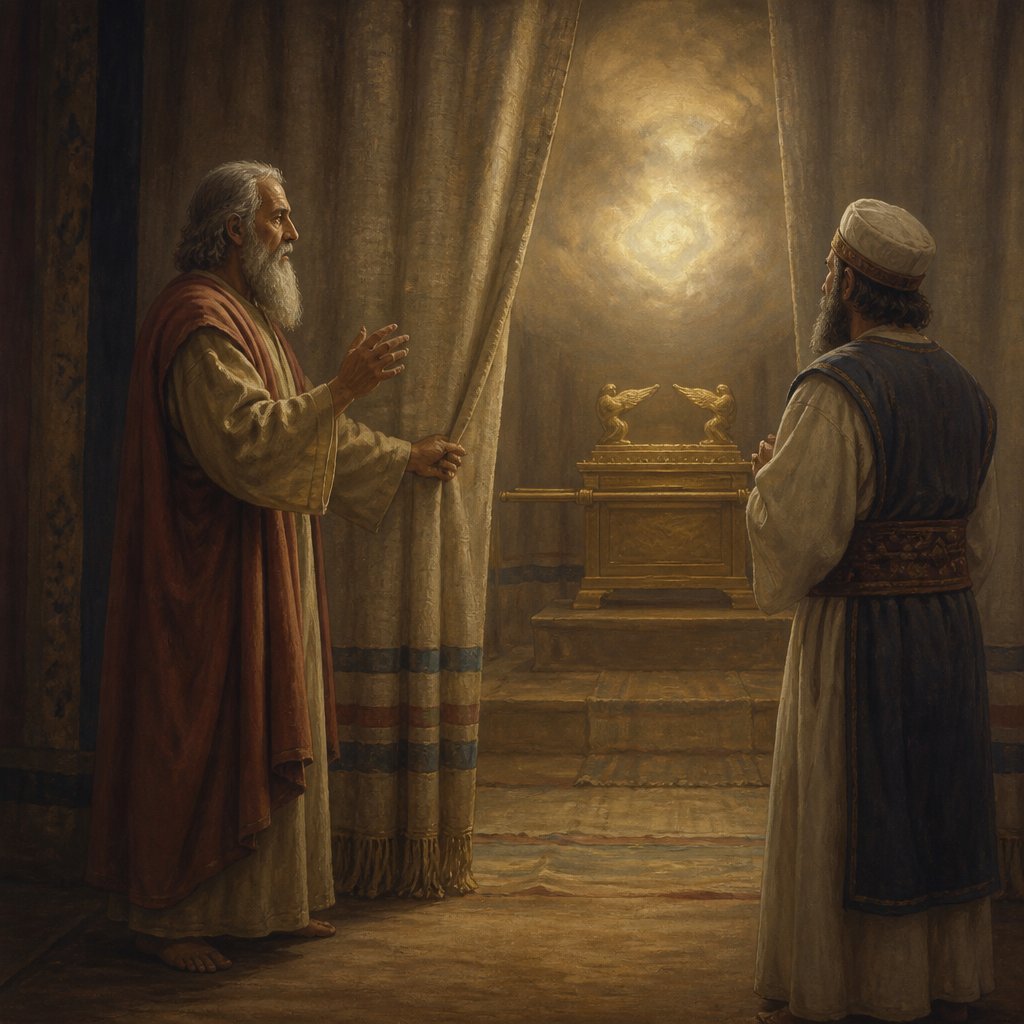
Leviticus 16:2 (KJV) reads: "And the Lord said unto Moses, speak unto Aaron thy brother, that he come not at all times into the holy place within the vail before the mercy seat, which is upon the ark; that he die not: for I will appear in the cloud upon the mercy seat."
This verse comes from the book of Leviticus, which is the third book of the Bible. Leviticus is set in the context of the Israelites' journey from Egypt to the promised land, and it primarily deals with the laws and rituals that were to govern the Israelites' worship and daily life. Leviticus 16 specifically focuses on the Day of Atonement, a high holy day in the Jewish calendar when the high priest would enter the Holy of Holies to make atonement for the sins of the people.
In Leviticus 16:2, the Lord instructs Moses to tell his brother Aaron, who served as the high priest, that he is not to come into the Holy of Holies at any time he pleases, but only on the Day of Atonement. The reason given is that if Aaron were to come into the presence of God within the veil before the mercy seat, he would die. This command emphasizes the sacredness and holiness of the space and the presence of God, and it underscores the importance of approaching God with reverence and fear.
The symbolism and themes in this verse are rich and important for understanding the nature of God, the role of the high priest, and the concept of atonement in the Old Testament. The Holy of Holies, which is mentioned in this verse, was the innermost chamber of the tabernacle or temple, and it housed the Ark of the Covenant and the mercy seat, which symbolized the presence and throne of God. The veil mentioned in the verse separated the Holy of Holies from the rest of the tabernacle, and it signified the separation between God and humanity due to sin. The command for Aaron to not enter the Holy of Holies at any time except for the Day of Atonement highlights the reverence and fear that is due to God's presence and the need for proper atonement for sin.
Furthermore, the appearance of God in the cloud upon the mercy seat is a powerful image that underscores God's presence and authority. In the Old Testament, God often manifested His presence in the form of a cloud, and the mercy seat, which was the lid of the Ark of the Covenant, was the place where God's presence was most keenly felt. This imagery points to God's holiness, majesty, and transcendence, and it reinforces the idea that God is to be approached with utmost respect and humility.
In terms of themes, Leviticus 16:2 highlights the themes of holiness, reverence, and atonement. The command for Aaron to not enter the Holy of Holies at any time underscores the holiness and sacredness of God's presence, as well as the need for proper atonement in order to approach Him. This theme of atonement is central to the Day of Atonement, which was the most important and solemn day in the Israelite religious calendar. On this day, the high priest would make sacrifices for his own sins and for the sins of the people, and he would enter the Holy of Holies to sprinkle blood on the mercy seat as a means of atoning for sin and reconciling the people to God.
Overall, Leviticus 16:2 serves as a crucial reminder of the holiness of God and the need for reverence and atonement in approaching Him. It also foreshadows the ultimate atonement that would be provided through Jesus Christ in the New Testament, as He became the ultimate High Priest and sacrificed Himself to atone for the sins of humanity once and for all. This verse is a poignant and powerful reminder of the nature of God and our need for reconciliation with Him.
Have questions about Leviticus 16:2?
Dive deeper into this scripture with Bible Chat — an AI-powered tool for exploring God's Word through conversation. Ask questions, get context, and grow in your understanding of the Bible.
Get Our Apps


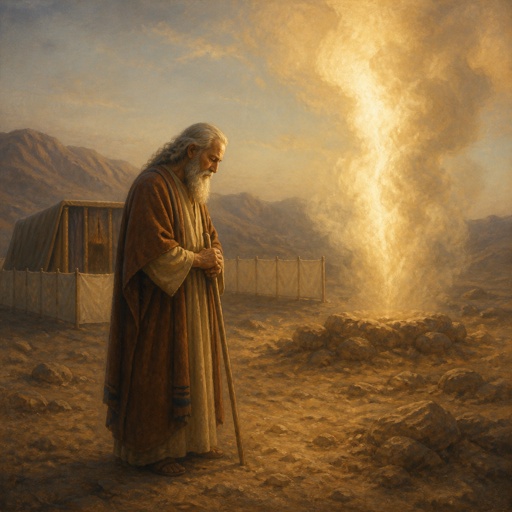
Leviticus 16:2 Artwork
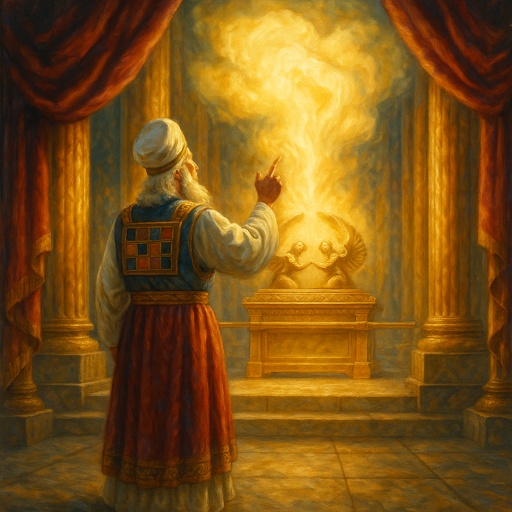
"And the LORD said unto Moses, Speak unto Aaron thy brother, that he come not at all times into the holy place within the vail before the mercy seat, which is upon the ark; that he die not: for I will appear in the cloud upon the mercy seat." - Leviticus 16:2
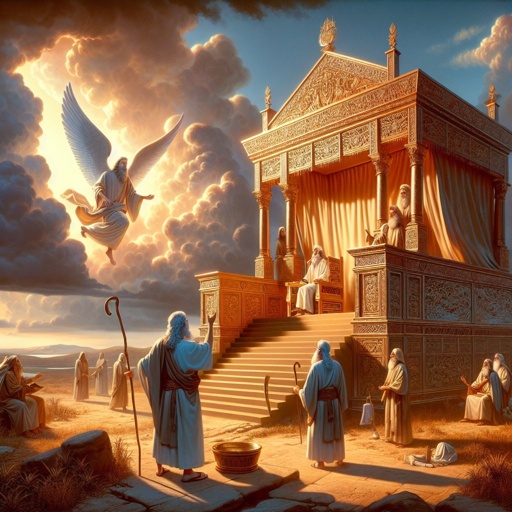
Leviticus 16:2 - "And the LORD said unto Moses, Speak unto Aaron thy brother, that he come not at all times into the holy place within the vail before the mercy seat, which is upon the ark; that he die not: for I will appear in the cloud upon the mercy seat."
"And the LORD said unto Moses, Speak unto Aaron thy brother, that he come not at all times into the holy place within the vail before the mercy seat, which is upon the ark; that he die not: for I will appear in the cloud upon the mercy seat." - Leviticus 16:2

Leviticus 2:16 - "And the priest shall burn the memorial of it, part of the beaten corn thereof, and part of the oil thereof, with all the frankincense thereof: it is an offering made by fire unto the LORD."

Leviticus 16:8

leviticus 16:7-10

Leviticus 21:16 - "¶ And the LORD spake unto Moses, saying,"

Leviticus 9:16 - "And he brought the burnt offering, and offered it according to the manner."

Leviticus 4:16 - "And the priest that is anointed shall bring of the bullock's blood to the tabernacle of the congregation:"

Leviticus 11:16 - "And the owl, and the night hawk, and the cuckow, and the hawk after his kind,"

Leviticus 16:25 - "And the fat of the sin offering shall he burn upon the altar."

Leviticus 18:16 - "Thou shalt not uncover the nakedness of thy brother's wife: it is thy brother's nakedness."

Leviticus 17:16 - "But if he wash them not, nor bathe his flesh; then he shall bear his iniquity."

Leviticus 16:7 - "And he shall take the two goats, and present them before the LORD at the door of the tabernacle of the congregation."

Leviticus 16:31 - "It shall be a sabbath of rest unto you, and ye shall afflict your souls, by a statute for ever."

Leviticus 13:16 - "Or if the raw flesh turn again, and be changed unto white, he shall come unto the priest;"
"¶ And the LORD spake unto Moses, saying," - Leviticus 21:16

Leviticus 16:8 - "And Aaron shall cast lots upon the two goats; one lot for the LORD, and the other lot for the scapegoat."

Leviticus 16:9 - "And Aaron shall bring the goat upon which the LORD'S lot fell, and offer him for a sin offering."

Leviticus 16:3 - "Thus shall Aaron come into the holy place: with a young bullock for a sin offering, and a ram for a burnt offering."

Leviticus 16:16 - "And he shall make an atonement for the holy place, because of the uncleanness of the children of Israel, and because of their transgressions in all their sins: and so shall he do for the tabernacle of the congregation, that remaineth among them in the midst of their uncleanness."

Leviticus 16:1 - "And the LORD spake unto Moses after the death of the two sons of Aaron, when they offered before the LORD, and died;"

Leviticus 22:16 - "Or suffer them to bear the iniquity of trespass, when they eat their holy things: for I the LORD do sanctify them."

Leviticus 16:6 - "And Aaron shall offer his bullock of the sin offering, which is for himself, and make an atonement for himself, and for his house."

Leviticus 3:16 - "And the priest shall burn them upon the altar: it is the food of the offering made by fire for a sweet savour: all the fat is the LORD'S."

Leviticus 16:5 - "And he shall take of the congregation of the children of Israel two kids of the goats for a sin offering, and one ram for a burnt offering."

Leviticus 16:19 - "And he shall sprinkle of the blood upon it with his finger seven times, and cleanse it, and hallow it from the uncleanness of the children of Israel."

Leviticus 1:16 - "And he shall pluck away his crop with his feathers, and cast it beside the altar on the east part, by the place of the ashes:"

Leviticus 16:22 - "And the goat shall bear upon him all their iniquities unto a land not inhabited: and he shall let go the goat in the wilderness."

Leviticus 16:28 - "And he that burneth them shall wash his clothes, and bathe his flesh in water, and afterward he shall come into the camp."