What does Leviticus 17:2 mean?
"Speak unto Aaron, and unto his sons, and unto all the children of Israel, and say unto them; This is the thing which the LORD hath commanded, saying," - Leviticus 17:2
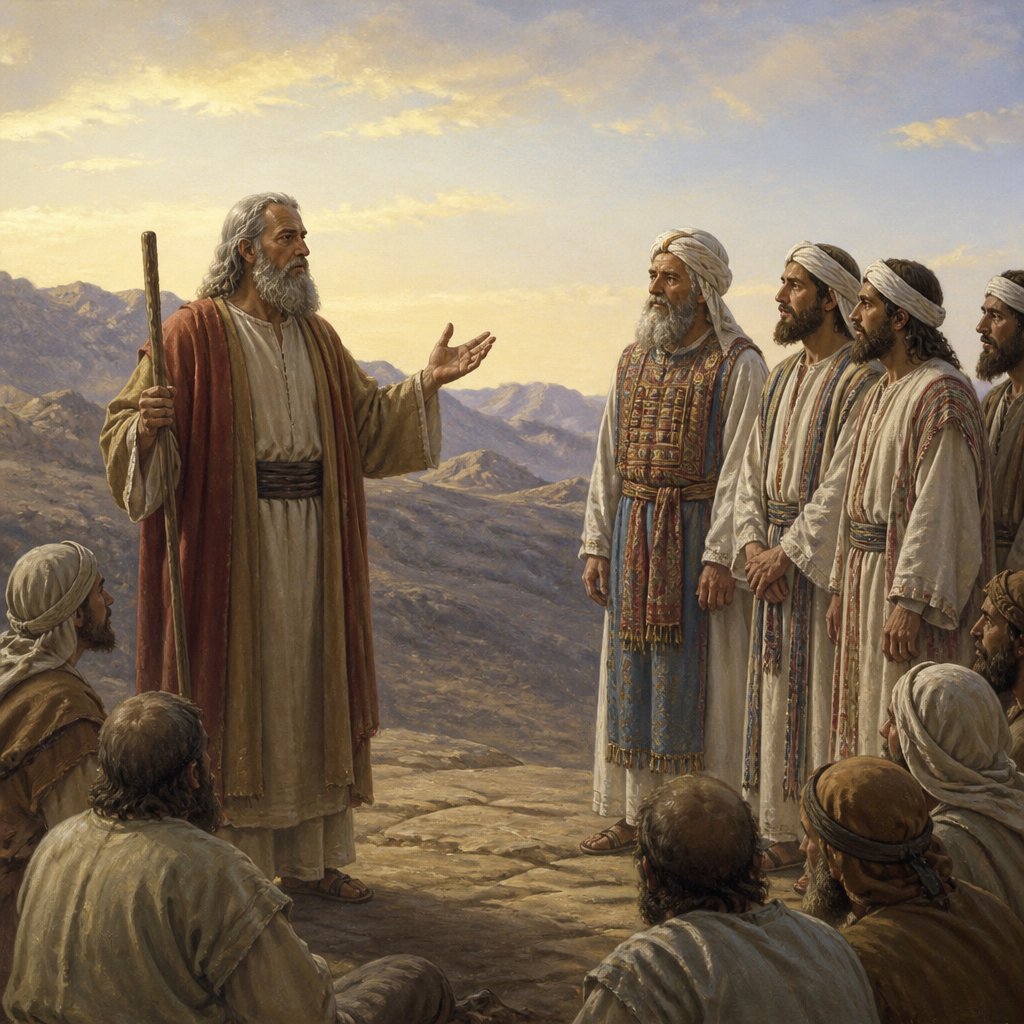
Leviticus 17:2 in the King James Version of the Bible states, "Speak unto Aaron, and unto his sons, and unto all the children of Israel, and say unto them; This is the thing which the Lord hath commanded, saying,". This verse is part of the book of Leviticus, which is the third book of the Hebrew Bible and the Old Testament. The book of Leviticus is primarily focused on laws and rituals, particularly those related to the priesthood, the Tabernacle, and the sacrificial system.
In this verse, God instructs Moses to relay a command to Aaron, his sons, and all the children of Israel regarding something that the Lord has commanded. It is important to note that the Book of Leviticus is primarily concerned with establishing a system of sacrifices and offerings that are to be made to God. The verse sets the stage for the regulations that follow, which are intended to guide the Israelites in the proper way to approach and worship God.
One of the key themes in Leviticus 17:2 is the idea of obedience to God's commands. The verse emphasizes the authority of God's word and the need for the Israelites to adhere to his instructions. By specifically addressing Aaron, his sons, and all the children of Israel, the verse underscores the universal application of God's commands and the collective responsibility of the Israelites to obey them.
Another important theme in this verse is the role of the priesthood as mediators between God and the people. The instructions given to Aaron and his sons indicate their central role in facilitating the people's obedience to God's commands. The verse establishes the priesthood as a key intermediary in ensuring that the people fulfill their religious obligations and maintain their relationship with God.
The context of Leviticus 17:2 is also significant in understanding its meaning. The broader context of the book of Leviticus is the Israelites' journey through the wilderness after their exodus from Egypt. During this time, God established a covenant with the Israelites and provided them with laws and regulations to govern their religious and communal life. The instructions in Leviticus 17:2 are part of this larger framework of establishing a covenant relationship between God and his people.
In addition to its thematic and contextual significance, Leviticus 17:2 may also carry symbolic implications. The act of God commanding Moses to relay his instructions to the people underscores the divine origin and authority of the laws and rituals outlined in the book of Leviticus. This verse emphasizes the sacred nature of God's commands and the need for the Israelites to approach them with reverence and obedience.
In conclusion, Leviticus 17:2 conveys important themes related to obedience to God's commands, the role of the priesthood, and the establishment of a covenant relationship between God and his people. The verse sets the tone for the regulations that follow in the book of Leviticus and underscores the significance of adhering to God's instructions. When read in the larger context of the Israelites' journey through the wilderness and the establishment of their religious practices, Leviticus 17:2 serves as a foundational element in understanding the Israelites' relationship with God and their communal life.
Have questions about Leviticus 17:2?
Dive deeper into this scripture with Bible Chat — an AI-powered tool for exploring God's Word through conversation. Ask questions, get context, and grow in your understanding of the Bible.
Get Our Apps


Leviticus 17:2 Artwork

Leviticus 17:2 - "Speak unto Aaron, and unto his sons, and unto all the children of Israel, and say unto them; This is the thing which the LORD hath commanded, saying,"
"Speak unto Aaron, and unto his sons, and unto all the children of Israel, and say unto them; This is the thing which the LORD hath commanded, saying," - Leviticus 17:2

Leviticus 17:7

Leviticus 23:17-22

Leviticus 11:17 - "And the little owl, and the cormorant, and the great owl,"

Leviticus 22:17 - "¶ And the LORD spake unto Moses, saying,"

Leviticus 17:1 - "And the LORD spake unto Moses, saying,"

Leviticus 7:17 - "But the remainder of the flesh of the sacrifice on the third day shall be burnt with fire."

Leviticus 24:17 - "¶ And he that killeth any man shall surely be put to death."

Leviticus 15:17 - "And every garment, and every skin, whereon is the seed of copulation, shall be washed with water, and be unclean until the even."

Leviticus 17:3 - "What man soever there be of the house of Israel, that killeth an ox, or lamb, or goat, in the camp, or that killeth it out of the camp,"

Leviticus 27:17 - "If he sanctify his field from the year of jubile, according to thy estimation it shall stand."

Leviticus 17:16 - "But if he wash them not, nor bathe his flesh; then he shall bear his iniquity."

"¶ And the LORD spake unto Moses, saying," - Leviticus 22:17

"And the LORD spake unto Moses, saying," - Leviticus 17:1

"And the little owl, and the cormorant, and the great owl," - Leviticus 11:17

Leviticus 9:17 - "And he brought the meat offering, and took an handful thereof, and burnt it upon the altar, beside the burnt sacrifice of the morning."

Leviticus 8:17 - "But the bullock, and his hide, his flesh, and his dung, he burnt with fire without the camp; as the LORD commanded Moses."

Leviticus 4:17 - "And the priest shall dip his finger in some of the blood, and sprinkle it seven times before the LORD, even before the vail."

Leviticus 3:17 - "It shall be a perpetual statute for your generations throughout all your dwellings, that ye eat neither fat nor blood."

Leviticus 17:9 - "And bringeth it not unto the door of the tabernacle of the congregation, to offer it unto the LORD; even that man shall be cut off from among his people."

Leviticus 25:17 - "Ye shall not therefore oppress one another; but thou shalt fear thy God: for I am the LORD your God."

Leviticus 17:6 - "And the priest shall sprinkle the blood upon the altar of the LORD at the door of the tabernacle of the congregation, and burn the fat for a sweet savour unto the LORD."

Leviticus 17:8 - "¶ And thou shalt say unto them, Whatsoever man there be of the house of Israel, or of the strangers which sojourn among you, that offereth a burnt offering or sacrifice,"

Leviticus 19:17 - "¶ Thou shalt not hate thy brother in thine heart: thou shalt in any wise rebuke thy neighbour, and not suffer sin upon him."

Leviticus 17:7 - "And they shall no more offer their sacrifices unto devils, after whom they have gone a whoring. This shall be a statute for ever unto them throughout their generations."

Leviticus 13:17 - "And the priest shall see him: and, behold, if the plague be turned into white; then the priest shall pronounce him clean that hath the plague: he is clean."

Leviticus 17:11 - "For the life of the flesh is in the blood: and I have given it to you upon the altar to make an atonement for your souls: for it is the blood that maketh an atonement for the soul."

"But the remainder of the flesh of the sacrifice on the third day shall be burnt with fire." - Leviticus 7:17

Leviticus 21:17 - "Speak unto Aaron, saying, Whosoever he be of thy seed in their generations that hath any blemish, let him not approach to offer the bread of his God."