What does Leviticus 17:6 mean?
“And the priest shall sprinkle the blood upon the altar of the LORD at the door of the tabernacle of the congregation, and burn the fat for a sweet savour unto the LORD.” — Leviticus 17:6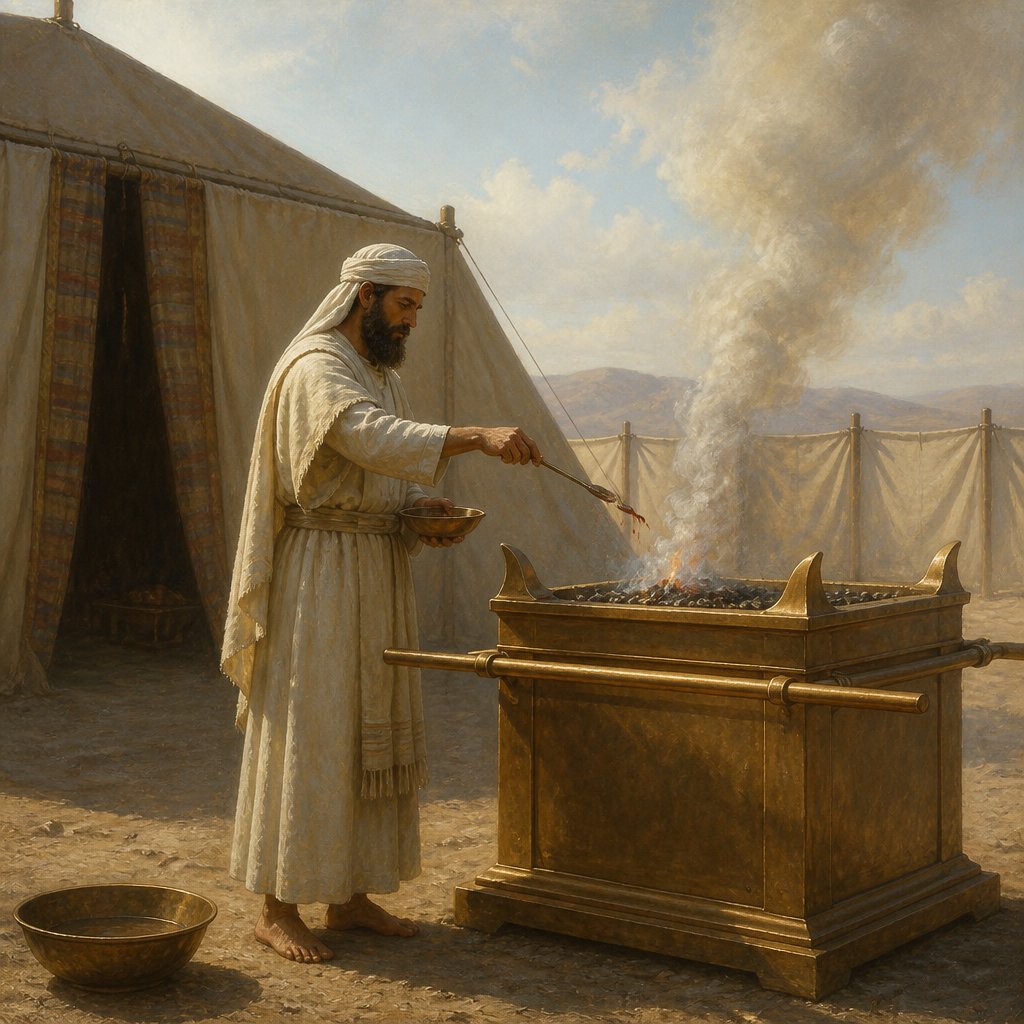
Leviticus 17:6 (KJV): "And the priest shall sprinkle the blood upon the altar of the Lord at the door of the tabernacle of the congregation, and burn the fat for a sweet savour unto the Lord."
This verse comes from the book of Leviticus, which is the third book of the Bible and is primarily concerned with the laws and rituals of the ancient Israelites as they journeyed through the wilderness. The verse is part of a larger passage that deals with the issue of blood sacrifices and the proper way to offer them to God. Understanding the context of this verse is crucial for grasping its full meaning and significance.
In ancient Israelite culture, blood sacrifices were an integral part of their religious practices. These sacrifices were seen as a way to atone for sin and to seek divine favor. The offering of animals and the sprinkling of their blood on the altar were symbolic acts meant to demonstrate obedience to God and to seek forgiveness. The act of burning the fat of the animal was believed to produce a pleasing aroma to the Lord.
At the heart of this verse is the role of the priest, who acted as an intermediary between the people and God. The priest was responsible for conducting the rituals and sacrifices in a manner that was pleasing to the Lord. The sprinkling of blood and the burning of fat were precise and sacred acts that required the utmost care and attention to detail. This passage emphasizes the importance of the priest's role in facilitating the relationship between the people and their God.
The symbolism in this verse is rich and multi-layered. The act of sprinkling blood on the altar can be seen as a representation of the people's desire for reconciliation with God. The shedding of blood was viewed as a necessary means of atonement for sin, and the application of the blood to the altar served as a physical and tangible expression of this atonement. The burning of the fat, which was believed to produce a sweet aroma, symbolized the offering of the people's devotion and obedience to God.
The imagery of the tabernacle, the sacred tent where God was believed to dwell among his people, is also significant. The door of the tabernacle was the focal point of the Israelites' worship, and the act of sprinkling blood and burning fat at this location served as a reminder of God's presence and the need for reverence and holiness in his presence.
From a broader theological perspective, this verse can be viewed as foreshadowing the ultimate sacrifice of Jesus Christ. In the New Testament, Jesus is often referred to as the "Lamb of God" whose blood was shed for the forgiveness of sins. The act of blood sacrifice and atonement is central to Christian belief, and the symbolism of Leviticus 17:6 can be seen as pointing towards the atoning work of Christ on the cross.
Furthermore, this verse speaks to the theme of obedience and worship. The Israelites were called to adhere to precise rituals and regulations in their worship of God, and the role of the priest was to ensure that these rituals were carried out in accordance with God's commands. The emphasis on obedience and reverence in worship is a recurring theme throughout the book of Leviticus, and it underscores the Israelites' obligation to honor God with their whole being.
In conclusion, Leviticus 17:6 is a verse that carries deep theological and symbolic significance. It provides a window into the ancient Israelite understanding of blood sacrifice and atonement, and it points towards the ultimate sacrifice of Jesus Christ in the Christian faith. It also underscores the themes of obedience, reverence, and worship in the context of the Israelites' relationship with God. As such, this verse continues to carry profound meaning for believers today, serving as a reminder of the significance of Christ's atoning work and the call to worship God with our whole being.
Get our apps


Artwork for Leviticus 17:6

Leviticus 17:6 - "And the priest shall sprinkle the blood upon the altar of the LORD at the door of the tabernacle of the congregation, and burn the fat for a sweet savour unto the LORD."
"And the priest shall sprinkle the blood upon the altar of the LORD at the door of the tabernacle of the congregation, and burn the fat for a sweet savour unto the LORD." - Leviticus 17:6

Leviticus 6:17 - "It shall not be baken with leaven. I have given it unto them for their portion of my offerings made by fire; it is most holy, as is the sin offering, and as the trespass offering."

Leviticus 17:7

Leviticus 23:17-22
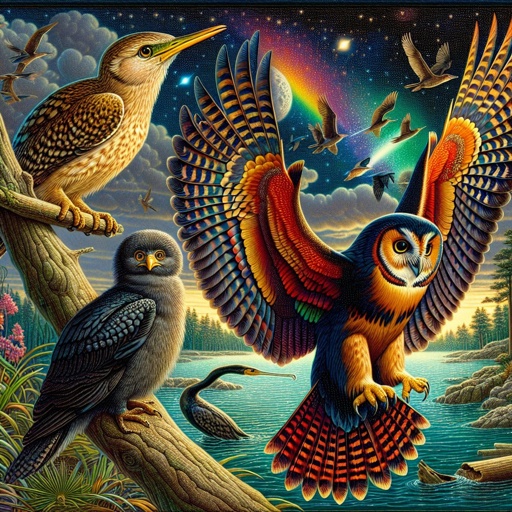
Leviticus 11:17 - "And the little owl, and the cormorant, and the great owl,"

Leviticus 22:17 - "¶ And the LORD spake unto Moses, saying,"

Leviticus 17:1 - "And the LORD spake unto Moses, saying,"

Leviticus 7:17 - "But the remainder of the flesh of the sacrifice on the third day shall be burnt with fire."

Leviticus 26: 4-6
Leviticus 26: 4-6

Leviticus 26: 4-6

Leviticus 24:17 - "¶ And he that killeth any man shall surely be put to death."

Leviticus 6:24 - "¶ And the LORD spake unto Moses, saying,"

Leviticus 6:8 - "¶ And the LORD spake unto Moses, saying,"

Leviticus 6:19 - "¶ And the LORD spake unto Moses, saying,"

Leviticus 6:1 - "And the LORD spake unto Moses, saying,"
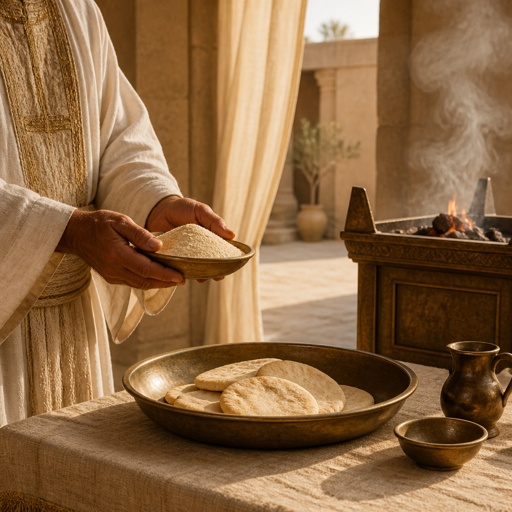
"It shall not be baken with leaven. I have given it unto them for their portion of my offerings made by fire; it is most holy, as is the sin offering, and as the trespass offering." - Leviticus 6:17

Leviticus 15:17 - "And every garment, and every skin, whereon is the seed of copulation, shall be washed with water, and be unclean until the even."

Leviticus 17:3 - "What man soever there be of the house of Israel, that killeth an ox, or lamb, or goat, in the camp, or that killeth it out of the camp,"

Leviticus 1:6 - "And he shall flay the burnt offering, and cut it into his pieces."

Leviticus 27:17 - "If he sanctify his field from the year of jubile, according to thy estimation it shall stand."

Leviticus 17:16 - "But if he wash them not, nor bathe his flesh; then he shall bear his iniquity."

"¶ And the LORD spake unto Moses, saying," - Leviticus 22:17

"And the LORD spake unto Moses, saying," - Leviticus 17:1

"And the little owl, and the cormorant, and the great owl," - Leviticus 11:17

Leviticus 8:6 - "And Moses brought Aaron and his sons, and washed them with water."

Leviticus 9:17 - "And he brought the meat offering, and took an handful thereof, and burnt it upon the altar, beside the burnt sacrifice of the morning."

Leviticus 2:6 - "Thou shalt part it in pieces, and pour oil thereon: it is a meat offering."

Leviticus 6:23 - "For every meat offering for the priest shall be wholly burnt: it shall not be eaten."