What does Leviticus 18:20 mean?
"Moreover thou shalt not lie carnally with thy neighbour's wife, to defile thyself with her." - Leviticus 18:20
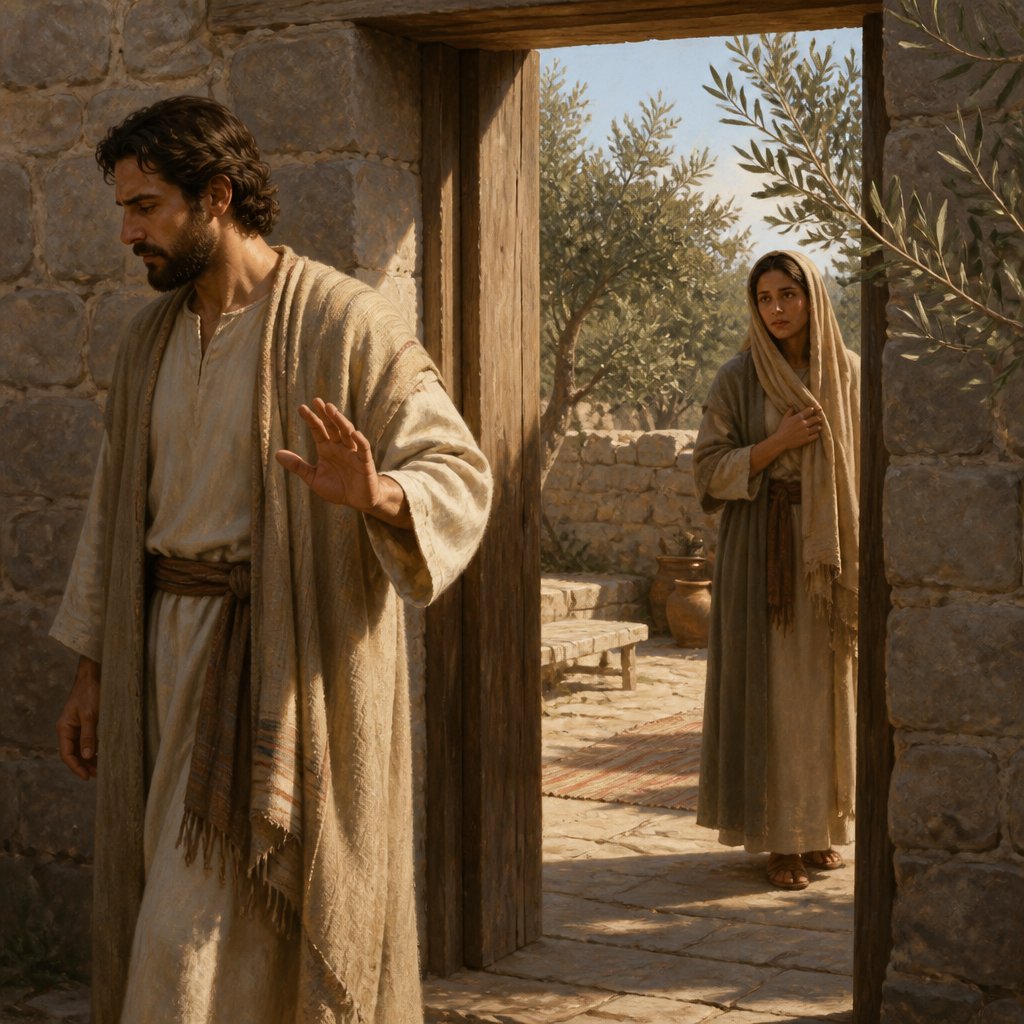
Leviticus 18:20 (KJV) states, "Moreover thou shalt not lie carnally with thy neighbour's wife, to defile thyself with her."
This verse is a part of the Holiness Code in the book of Leviticus, which is a guide for the Israelites on how to live a holy and righteous life. The specific command in this verse is addressing the prohibition of adultery. Adultery is considered a serious sin in the Bible because it not only violates the sanctity of marriage but also damages the trust, intimacy, and commitment that are meant to be part of the marital relationship.
The verse targets men specifically and instructs them not to engage in sexual relations with another man's wife. This command reflects the importance of fidelity and faithfulness within the marriage covenant. It also emphasizes the need for mutual respect and consideration for others, as well as reinforcing the sanctity of marriage as a union established and blessed by God.
One of the primary themes of this verse is the sanctity of marriage. The institution of marriage is highly esteemed in the Bible, and it is considered a reflection of the relationship between Christ and the Church. Adultery is seen as a violation of this sacred covenant and a betrayal of the trust and commitment that are meant to be upheld within marriage.
Another theme present in this verse is the importance of personal morality and self-control. The command to not engage in adulterous relationships challenges individuals to exercise discipline and restraint in their sexual desires. This reflects the broader emphasis in the Bible on living a disciplined and holy life that is pleasing to God.
Contextually, the verse is part of the broader legal and moral code outlined in the book of Leviticus. The Holiness Code covers a wide range of topics, including dietary laws, sexual ethics, and regulations for social and religious life. In this particular verse, the command against adultery is situated within the larger framework of maintaining purity and holiness in all aspects of life.
Furthermore, the verse also reflects the social and cultural norms of the ancient Israelite society. Marriage was viewed as a vital institution for the preservation of the family and community, and any violation of this institution was considered a serious transgression. The prohibition against adultery was therefore not only a religious command but also a social and moral imperative for the well-being of the community.
Symbolically, this verse represents the divine standard for human relationships and sexual morality. It serves as a reminder of the importance of respecting and honoring the commitments we make, whether in marriage or in other social bonds. It also points to the inherent value and dignity of each individual, affirming the need to treat others with respect and integrity.
In sum, Leviticus 18:20 (KJV) is a powerful and timeless command that upholds the sanctity of marriage, the importance of personal morality, and the divine standard for human relationships. It speaks to the universal values of commitment, fidelity, and respect, and continues to provide guidance and wisdom for individuals and communities seeking to live in accordance with God's will.
Have questions about Leviticus 18:20?
Dive deeper into this scripture with Bible Chat — an AI-powered tool for exploring God's Word through conversation. Ask questions, get context, and grow in your understanding of the Bible.
Get Our Apps


Leviticus 18:20 Artwork

Leviticus 18:20 - "Moreover thou shalt not lie carnally with thy neighbour's wife, to defile thyself with her."
"Moreover thou shalt not lie carnally with thy neighbour's wife, to defile thyself with her." - Leviticus 18:20

Leviticus 20:18 - "And if a man shall lie with a woman having her sickness, and shall uncover her nakedness; he hath discovered her fountain, and she hath uncovered the fountain of her blood: and both of them shall be cut off from among their people."

Leviticus 23:20

Leviticus 24:20-23

Leviticus 20:1 - "And the LORD spake unto Moses, saying,"

Leviticus 10:20 - "And when Moses heard that, he was content."
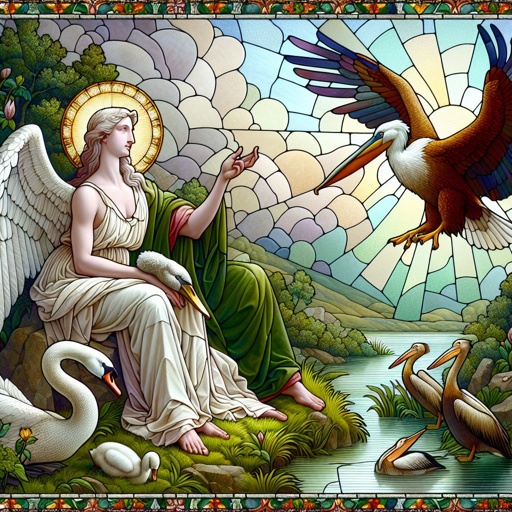
Leviticus 11:18 - "And the swan, and the pelican, and the gier eagle,"

Leviticus 18:1 - "And the LORD spake unto Moses, saying,"

Leviticus 18:22 - "Thou shalt not lie with mankind, as with womankind: it is abomination."

Leviticus 20:22-26 simple picture

Picture to summarize Leviticus 20:22-26

Leviticus 18:18 - "Neither shalt thou take a wife to her sister, to vex her, to uncover her nakedness, beside the other in her life time."

Leviticus 20:20 - "And if a man shall lie with his uncle's wife, he hath uncovered his uncle's nakedness: they shall bear their sin; they shall die childless."

Leviticus 13:18 - "¶ The flesh also, in which, even in the skin thereof, was a boil, and is healed,"

Leviticus 24:18 - "And he that killeth a beast shall make it good; beast for beast."

Leviticus 9:20 - "And they put the fat upon the breasts, and he burnt the fat upon the altar:"

Leviticus 8:20 - "And he cut the ram into pieces; and Moses burnt the head, and the pieces, and the fat."

Leviticus 22:20 - "But whatsoever hath a blemish, that shall ye not offer: for it shall not be acceptable for you."

Matthew 18:20

Genesis 20-18

Genesis 18-20

Matthew 18:20

Matthew 18:20

Leviticus 18:16 - "Thou shalt not uncover the nakedness of thy brother's wife: it is thy brother's nakedness."

Leviticus 20:7 - "¶ Sanctify yourselves therefore, and be ye holy: for I am the LORD your God."

Leviticus 18:8 - "The nakedness of thy father's wife shalt thou not uncover: it is thy father's nakedness."

"And the swan, and the pelican, and the gier eagle," - Leviticus 11:18

Leviticus 11:20 - "All fowls that creep, going upon all four, shall be an abomination unto you."

Leviticus 21:20 - "Or crookbackt, or a dwarf, or that hath a blemish in his eye, or be scurvy, or scabbed, or hath his stones broken;"