What does Leviticus 19:18 mean?
“Thou shalt not avenge, nor bear any grudge against the children of thy people, but thou shalt love thy neighbour as thyself: I am the LORD.” — Leviticus 19:18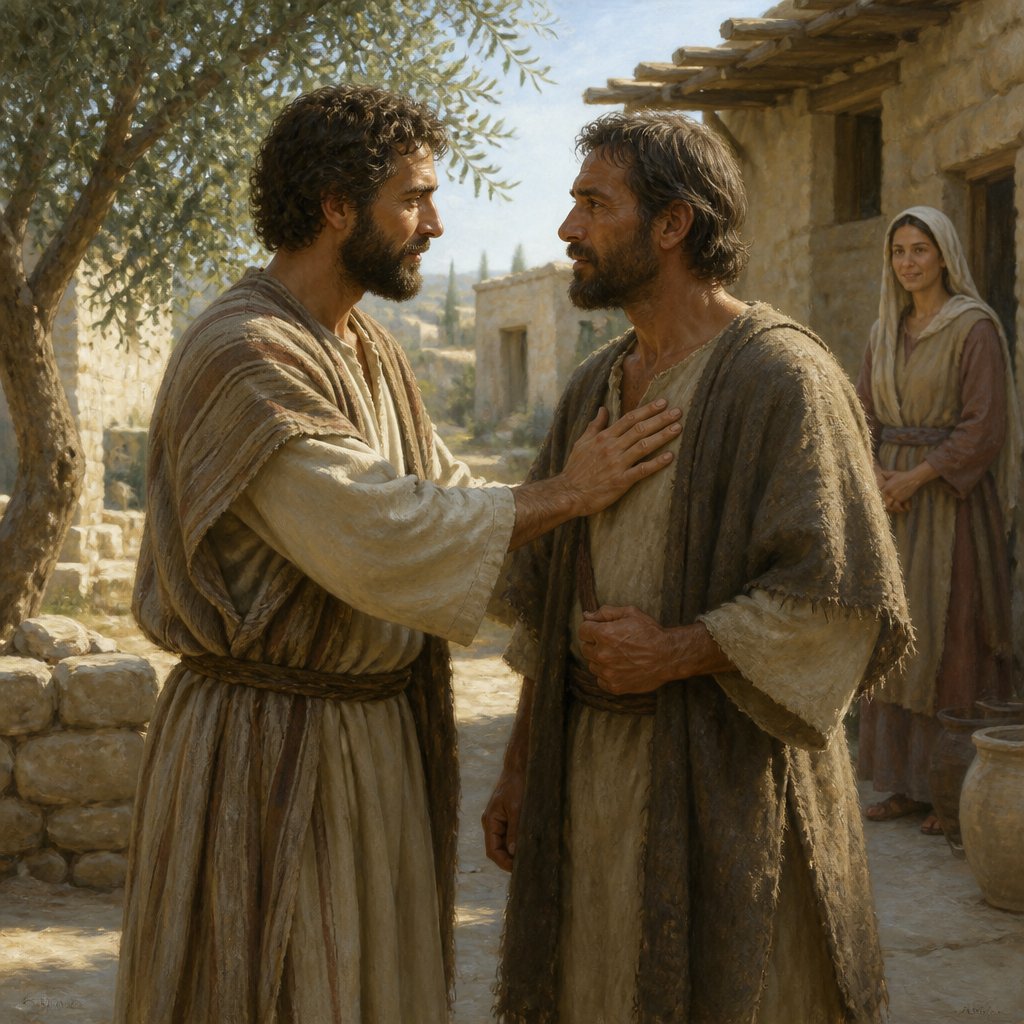
Leviticus 19:18 in the King James Version of the Bible reads, "Thou shalt not avenge, nor bear any grudge against the children of thy people, but thou shalt love thy neighbour as thyself: I am the Lord."
This verse is part of a larger section in the book of Leviticus that outlines a variety of moral and ethical laws for the Israelites. Leviticus 19 is often referred to as the "Holiness Code," as it provides instructions for living a holy and righteous life before God. In this specific verse, there are several important themes and principles that can be drawn out.
The first part of the verse instructs the Israelites not to take vengeance or hold grudges against their fellow countrymen. This is consistent with other biblical teachings that promote forgiveness and reconciliation. The idea of not seeking revenge is found in several other passages in the Bible, including Romans 12:19 which says, "Dearly beloved, avenge not yourselves, but rather give place unto wrath: for it is written, Vengeance is mine; I will repay, saith the Lord." By forbidding vengeance, the verse emphasizes the importance of letting go of past wrongs and deferring to God's justice instead of seeking our own retribution.
The second part of the verse contains the famous command to "love thy neighbor as thyself." This principle, often referred to as the "Golden Rule," is echoed in the teachings of Jesus in the New Testament. In Matthew 22:39, Jesus identifies this command as one of the two greatest commandments, along with the command to love God. This idea of loving others as oneself is a foundational principle of the Christian faith and is found throughout the New Testament as well.
The verse concludes with the statement "I am the Lord," which serves as a reminder that these commandments are given by God and are to be obeyed out of reverence for Him. This phrase is a common refrain throughout Leviticus and serves to underline the divine origin and authority of the laws being given.
The context of this verse is important to understand its significance. The Israelites had just been delivered from slavery in Egypt and had received the Law from God at Mount Sinai. The laws in Leviticus 19 were given to provide a framework for their new life as God's chosen people. They cover a wide range of issues including social justice, ethical conduct, and religious practices. Leviticus 19:18 falls within a section of the chapter that addresses how the Israelites should treat one another fairly and with compassion.
In addition to its moral and ethical teachings, Leviticus 19:18 also carries important symbolism. The command to love one's neighbor as oneself is symbolic of the larger biblical message of love and reconciliation. Jesus himself demonstrated this love in his interactions with others, particularly those who were marginalized or oppressed. By following the command in Leviticus 19:18, the Israelites were to demonstrate their allegiance to God by embodying His character in their relationships with others.
In conclusion, Leviticus 19:18 contains timeless principles of forgiveness, reconciliation, and love that are central to the biblical message. It calls believers to emulate God's character in their interactions with others and to seek justice and righteousness in all their dealings. As such, it continues to be a powerful and relevant guide for Christian living today.
Get our apps


Artwork for Leviticus 19:18

Leviticus 19:18 - "¶ Thou shalt not avenge, nor bear any grudge against the children of thy people, but thou shalt love thy neighbour as thyself: I am the LORD."

Leviticus 19:18 - "¶ Thou shalt not avenge, nor bear any grudge against the children of thy people, but thou shalt love thy neighbour as thyself: I am the LORD."

"¶ Thou shalt not avenge, nor bear any grudge against the children of thy people, but thou shalt love thy neighbour as thyself: I am the LORD." - Leviticus 19:18

Leviticus 18:19 - "Also thou shalt not approach unto a woman to uncover her nakedness, as long as she is put apart for her uncleanness."

"Also thou shalt not approach unto a woman to uncover her nakedness, as long as she is put apart for her uncleanness." - Leviticus 18:19

Leviticus 21:19 - "Or a man that is brokenfooted, or brokenhanded,"
Leviticus 11:18 - "And the swan, and the pelican, and the gier eagle,"

Leviticus 6:19 - "¶ And the LORD spake unto Moses, saying,"

Leviticus 19:1 - "And the LORD spake unto Moses, saying,"

Leviticus 18:1 - "And the LORD spake unto Moses, saying,"

Leviticus 18:22 - "Thou shalt not lie with mankind, as with womankind: it is abomination."

Leviticus 11:19 - "And the stork, the heron after her kind, and the lapwing, and the bat."

Leviticus 19:7 - "And if it be eaten at all on the third day, it is abominable; it shall not be accepted."

"Or a man that is brokenfooted, or brokenhanded," - Leviticus 21:19

Leviticus 5:19 - "It is a trespass offering: he hath certainly trespassed against the LORD."

Luke 10:18-19

Luke 13:18-19

Luke 10:18-19

Luke 10:18-19

Luke 13:18-19

Leviticus 19:35 - "¶ Ye shall do no unrighteousness in judgment, in meteyard, in weight, or in measure."

Leviticus 18:18 - "Neither shalt thou take a wife to her sister, to vex her, to uncover her nakedness, beside the other in her life time."

Leviticus 13:18 - "¶ The flesh also, in which, even in the skin thereof, was a boil, and is healed,"

Leviticus 24:18 - "And he that killeth a beast shall make it good; beast for beast."

Luke 10:18-19

Luke 10:18-19

Luke 10:18-19

Leviticus 8:19 - "And he killed it; and Moses sprinkled the blood upon the altar round about."

Leviticus 19:33 - "¶ And if a stranger sojourn with thee in your land, ye shall not vex him."

Genesis 18-19