What does Leviticus 19:20 mean?
“And whosoever lieth carnally with a woman, that is a bondmaid, betrothed to an husband, and not at all redeemed, nor freedom given her; she shall be scourged; they shall not be put to death, because she was not free.” — Leviticus 19:20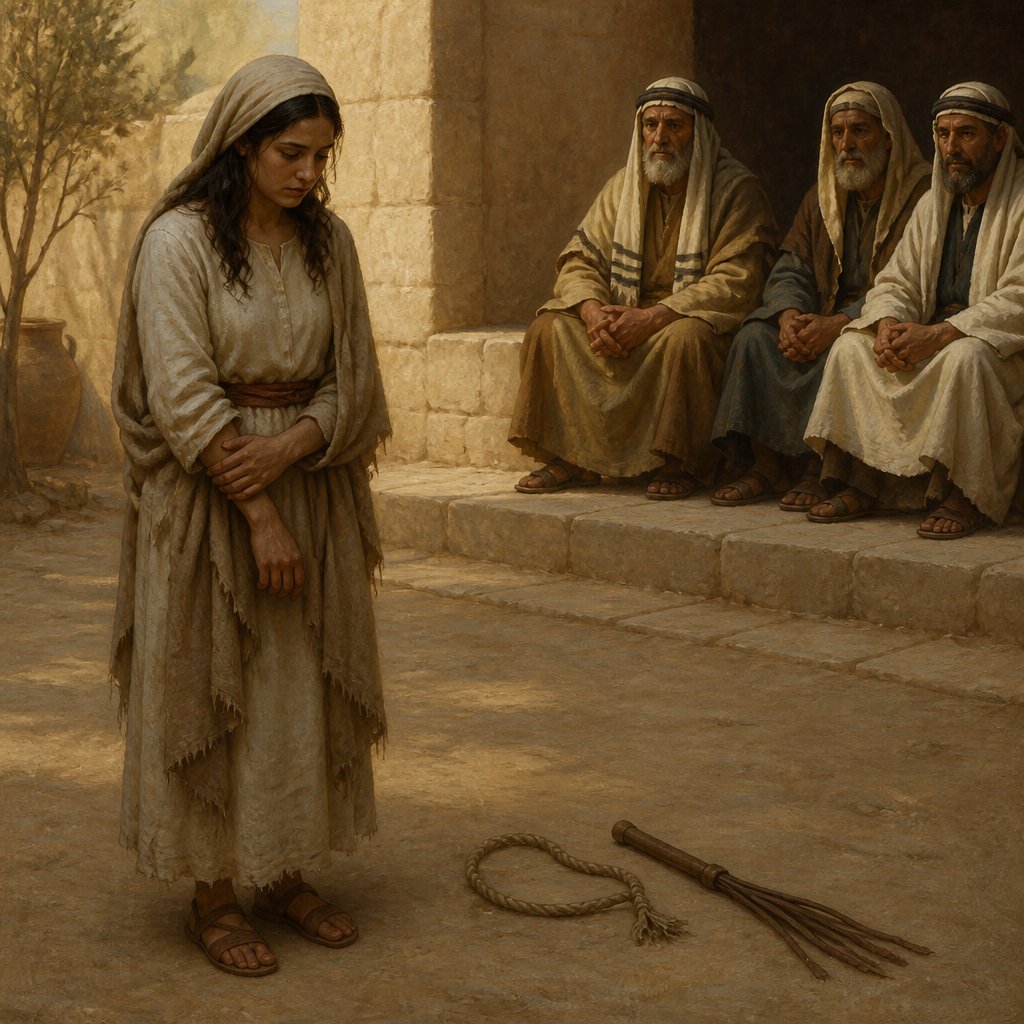
Leviticus 19:20 in the King James Version of the Bible says, "And whosoever lieth carnally with a woman, that is a bondmaid, betrothed to an husband, and not at all redeemed, nor freedom given her; she shall be scourged; they shall not be put to death, because she was not free."
This verse is part of the laws and regulations outlined in the book of Leviticus, which is the third book of the Old Testament. The book of Leviticus contains laws and regulations given to the Israelites by God through Moses, and it is primarily concerned with the proper way to worship God and live a holy life. In Leviticus 19, God gives a variety of moral and ethical laws that the Israelites are to follow, including laws about relationships and sexual conduct.
In this particular verse, God addresses the situation of a man who sleeps with a bondmaid who is betrothed to another man but has not been redeemed or given her freedom. A bondmaid is a female slave, and in ancient times, it was common for men to take female slaves as concubines or secondary wives. In this case, the bondmaid is already promised to another man, but she has not been set free.
The verse states that both the man and the bondmaid shall be scourged, but they shall not be put to death, because the woman was not free. This law emphasizes the sanctity of marriage and the importance of respecting the rights and commitments of others. It also shows a level of mercy and understanding, as the punishment is less severe than it would be if the woman were free.
This verse touches on several important themes, including justice, mercy, and the sanctity of marriage. It highlights the importance of upholding the commitments and covenants made in relationships, as well as the responsibility to treat others with dignity and respect. It also reflects God's concern for the vulnerable and marginalized, as the bondmaid in this scenario is not only a slave but also at a disadvantage due to her betrothal to another man.
In addition to its ethical and moral implications, this verse also has symbolic significance within the broader context of the Bible. It can be seen as a reflection of God's character and the principles that govern His kingdom. Throughout the Bible, God is portrayed as a just and merciful God, who cares for the oppressed and vulnerable. This verse aligns with that portrayal, as it shows God's concern for the well-being and rights of a marginalized woman.
Furthermore, this verse points to the importance of upholding the sanctity of marriage and sexual purity. In the Bible, marriage is often used as a symbol of the covenant between God and His people, and it is held in high regard as a reflection of the relationship between Christ and the church. By enforcing laws that honor marriage and condemn sexual immorality, God sets a standard for His people to reflect His holiness and faithfulness.
In conclusion, Leviticus 19:20 is a verse that contains important ethical, moral, and symbolic implications. It emphasizes the importance of justice, mercy, and the sanctity of marriage, while also reflecting God's character and the principles that govern His kingdom. As Christians, we can learn from this verse by upholding the commitments and covenants we make in our relationships, treating others with dignity and respect, and honoring the sanctity of marriage and sexual purity.
Get our apps


Artwork for Leviticus 19:20

Leviticus 19:20 - "¶ And whosoever lieth carnally with a woman, that is a bondmaid, betrothed to an husband, and not at all redeemed, nor freedom given her; she shall be scourged; they shall not be put to death, because she was not free."
"¶ And whosoever lieth carnally with a woman, that is a bondmaid, betrothed to an husband, and not at all redeemed, nor freedom given her; she shall be scourged; they shall not be put to death, because she was not free." - Leviticus 19:20

Leviticus 20:19 - "And thou shalt not uncover the nakedness of thy mother's sister, nor of thy father's sister: for he uncovereth his near kin: they shall bear their iniquity."

Leviticus 23:20

Leviticus 24:20-23

Leviticus 21:19 - "Or a man that is brokenfooted, or brokenhanded,"

Leviticus 20:1 - "And the LORD spake unto Moses, saying,"

Leviticus 10:20 - "And when Moses heard that, he was content."

Leviticus 6:19 - "¶ And the LORD spake unto Moses, saying,"

Leviticus 19:1 - "And the LORD spake unto Moses, saying,"

Leviticus 11:19 - "And the stork, the heron after her kind, and the lapwing, and the bat."

Leviticus 19:7 - "And if it be eaten at all on the third day, it is abominable; it shall not be accepted."

Leviticus 20:22-26 simple picture

Picture to summarize Leviticus 20:22-26

"Or a man that is brokenfooted, or brokenhanded," - Leviticus 21:19

Leviticus 5:19 - "It is a trespass offering: he hath certainly trespassed against the LORD."

Leviticus 19:35 - "¶ Ye shall do no unrighteousness in judgment, in meteyard, in weight, or in measure."
"And thou shalt not uncover the nakedness of thy mother's sister, nor of thy father's sister: for he uncovereth his near kin: they shall bear their iniquity." - Leviticus 20:19

Leviticus 20:20 - "And if a man shall lie with his uncle's wife, he hath uncovered his uncle's nakedness: they shall bear their sin; they shall die childless."

Leviticus 8:19 - "And he killed it; and Moses sprinkled the blood upon the altar round about."

Leviticus 19:33 - "¶ And if a stranger sojourn with thee in your land, ye shall not vex him."

Genesis 19-20

Genesis 20-19

Leviticus 9:20 - "And they put the fat upon the breasts, and he burnt the fat upon the altar:"

Leviticus 8:20 - "And he cut the ram into pieces; and Moses burnt the head, and the pieces, and the fat."

Leviticus 22:20 - "But whatsoever hath a blemish, that shall ye not offer: for it shall not be acceptable for you."

Leviticus 19:11 - "¶ Ye shall not steal, neither deal falsely, neither lie one to another."

Leviticus 19:24 - "But in the fourth year all the fruit thereof shall be holy to praise the LORD withal."

Leviticus 20:7 - "¶ Sanctify yourselves therefore, and be ye holy: for I am the LORD your God."

Leviticus 13:19 - "And in the place of the boil there be a white rising, or a bright spot, white, and somewhat reddish, and it be shewed to the priest;"