What does Leviticus 19:22 mean?
“And the priest shall make an atonement for him with the ram of the trespass offering before the LORD for his sin which he hath done: and the sin which he hath done shall be forgiven him.” — Leviticus 19:22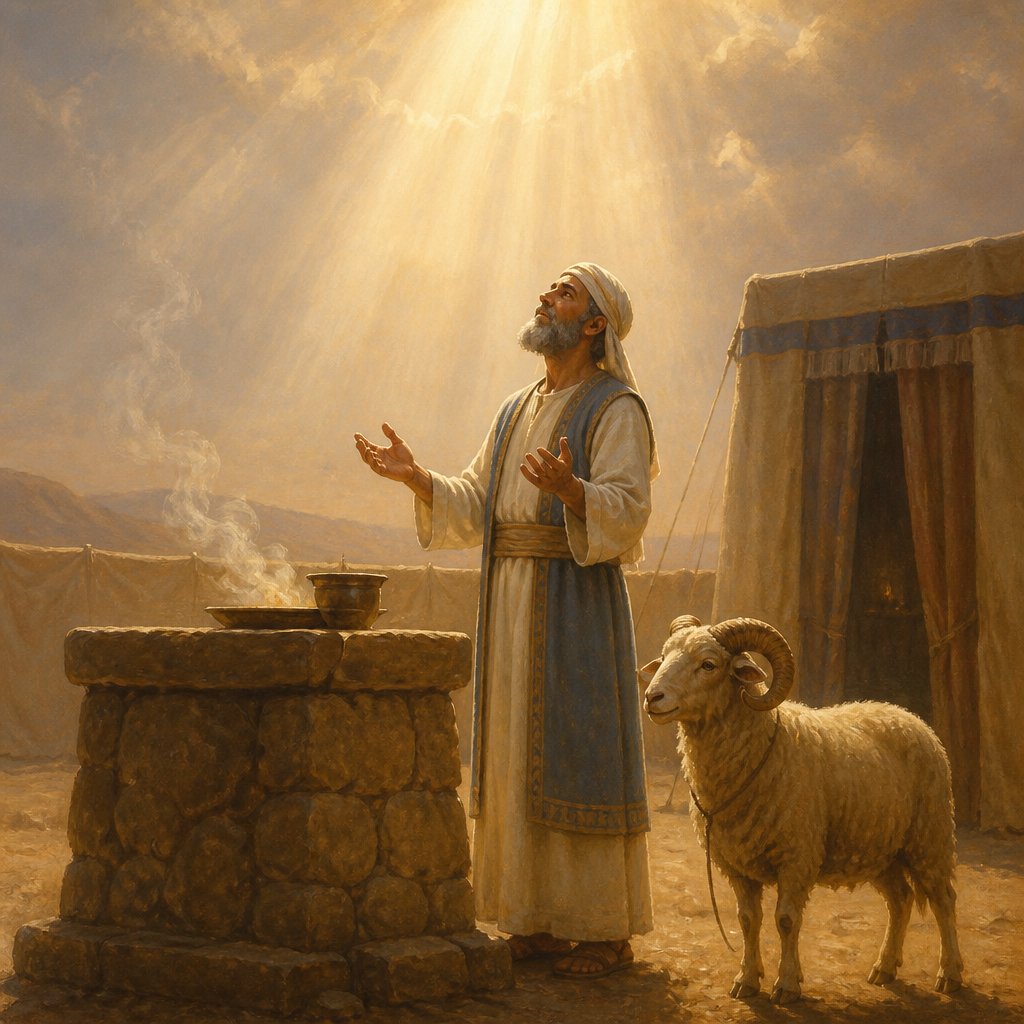
Leviticus 19:22 in the King James Version of the Bible states, "And the priest shall make an atonement for him with the ram of the trespass offering before the Lord for his sin which he hath done: and the sin which he hath done shall be forgiven him."
This verse comes from the book of Leviticus, which is the third book of the Hebrew Bible and of the Old Testament. The book is named after the tribe of Levi, the priests of the Israelite people, and it contains a detailed account of ritual and moral laws that govern the lives of the Israelites. The book is crucial for understanding the sacrificial system that the Israelites were to follow in order to maintain their relationship with God and atone for their sins.
Leviticus 19:22 specifically addresses the process of atonement for a person who has committed a sin. The verse outlines a specific procedure for atonement, which involves the priest making a sacrifice of a ram as a trespass offering before the Lord. This sacrifice is made on behalf of the sinner, and through this act, the sin is forgiven.
One of the key themes of this verse is the concept of atonement. Atonement is the process of making amends for a wrongdoing or sin, and it is a central theme throughout the Bible. In the Old Testament, atonement was often achieved through the offering of sacrifices, as outlined in Leviticus. These sacrifices were meant to symbolize the transfer of guilt and sin from the sinner to the sacrificial animal, and the shedding of blood was seen as necessary for the forgiveness of sins.
In the New Testament, the concept of atonement is further developed with the belief that Jesus Christ, as the ultimate sacrifice, atoned for the sins of humanity through his death on the cross. This verse in Leviticus foreshadows the ultimate atonement that would be achieved through Christ, and it serves as a reminder of the seriousness of sin and the need for reconciliation with God.
Another important theme in this verse is the role of the priest. The priest acted as an intermediary between the people and God, performing the necessary rituals and sacrifices on behalf of the community. The priest was responsible for ensuring that the proper procedures were followed and that the people could be reconciled with God through their atonement.
The broader context of Leviticus 19:22 is also significant. The entire chapter of Leviticus 19 contains a collection of laws and commandments aimed at guiding the Israelites in their moral and ethical conduct. These laws cover a wide range of topics, including relationships, honesty, justice, and the treatment of others. The chapter emphasizes the importance of living in a way that is pleasing to God and highlights the moral standards that the Israelites were expected to uphold.
Furthermore, the symbolism in this verse is worth exploring. The ram of the trespass offering represents the substitutionary sacrifice made on behalf of the sinner. In the act of atonement, the ram takes on the burden of the sin, allowing the sinner to be forgiven and restored to a right relationship with God. This symbolism of substitutionary atonement is echoed in the New Testament with the belief in Jesus as the sacrificial Lamb who takes away the sins of the world.
In conclusion, Leviticus 19:22 is a rich and meaningful verse that addresses the concept of atonement and the role of the priest in the Old Testament sacrificial system. It also foreshadows the ultimate atonement that would be achieved through Christ in the New Testament. This verse serves as a reminder of the seriousness of sin, the need for reconciliation with God, and the moral standards that the Israelites were called to uphold. It is a powerful reflection of the intricate tapestry of themes, context, and symbolism woven throughout the Bible.
Get our apps


Artwork for Leviticus 19:22

Leviticus 19:22 - "And the priest shall make an atonement for him with the ram of the trespass offering before the LORD for his sin which he hath done: and the sin which he hath done shall be forgiven him."
"And the priest shall make an atonement for him with the ram of the trespass offering before the LORD for his sin which he hath done: and the sin which he hath done shall be forgiven him." - Leviticus 19:22

Leviticus 22:19 - "Ye shall offer at your own will a male without blemish, of the beeves, of the sheep, or of the goats."
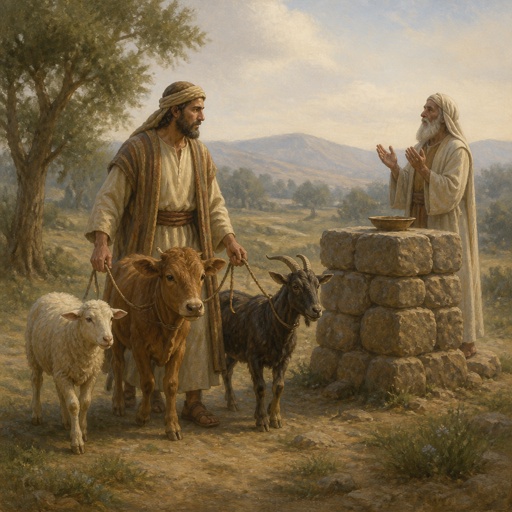
"Ye shall offer at your own will a male without blemish, of the beeves, of the sheep, or of the goats." - Leviticus 22:19
Leviticus 11:22

Leviticus 23:15-22

Leviticus 23:17-22

Leviticus 21:19 - "Or a man that is brokenfooted, or brokenhanded,"

Leviticus 22:17 - "¶ And the LORD spake unto Moses, saying,"

Leviticus 7:22 - "¶ And the LORD spake unto Moses, saying,"

Leviticus 22:1 - "And the LORD spake unto Moses, saying,"

Leviticus 22:26 - "¶ And the LORD spake unto Moses, saying,"

Leviticus 6:19 - "¶ And the LORD spake unto Moses, saying,"

Leviticus 19:1 - "And the LORD spake unto Moses, saying,"

Leviticus 18:22 - "Thou shalt not lie with mankind, as with womankind: it is abomination."

Leviticus 20:22-26 simple picture

Picture to summarize Leviticus 20:22-26

Leviticus 11:19 - "And the stork, the heron after her kind, and the lapwing, and the bat."

Leviticus 19:7 - "And if it be eaten at all on the third day, it is abominable; it shall not be accepted."

"Or a man that is brokenfooted, or brokenhanded," - Leviticus 21:19

Leviticus 5:19 - "It is a trespass offering: he hath certainly trespassed against the LORD."

Genesis 22:19

Leviticus 19:35 - "¶ Ye shall do no unrighteousness in judgment, in meteyard, in weight, or in measure."

Leviticus 22:20 - "But whatsoever hath a blemish, that shall ye not offer: for it shall not be acceptable for you."

Genesis 19-22

Leviticus 8:19 - "And he killed it; and Moses sprinkled the blood upon the altar round about."

Leviticus 13:22 - "And if it spread much abroad in the skin, then the priest shall pronounce him unclean: it is a plague."

Leviticus 21:22 - "He shall eat the bread of his God, both of the most holy, and of the holy."

Leviticus 19:33 - "¶ And if a stranger sojourn with thee in your land, ye shall not vex him."

Leviticus 22:33 - "That brought you out of the land of Egypt, to be your God: I am the LORD."