What does Leviticus 1:4 mean?
“And he shall put his hand upon the head of the burnt offering; and it shall be accepted for him to make atonement for him.” — Leviticus 1:4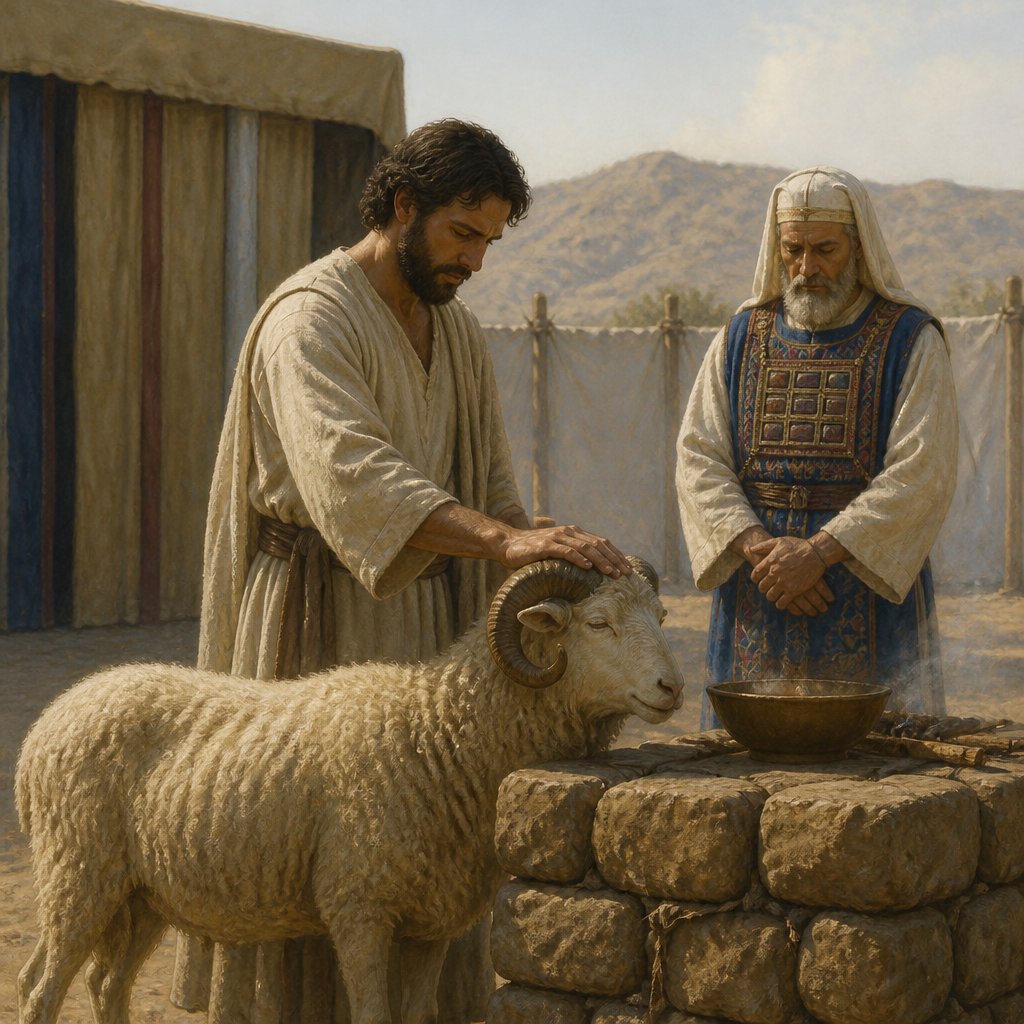
Leviticus 1:4 (KJV) states:
"And he shall put his hand upon the head of the burnt offering; and it shall be accepted for him to make atonement for him."
The book of Leviticus is the third book of the Hebrew Bible and the Old Testament. It is a book of laws and regulations for the priests and Levites, the tribe of Levi, who were responsible for the religious rituals and sacrifices of the Israelites. The verse from Leviticus 1:4 is part of a detailed description of the burnt offering, a type of sacrifice that was made to atone for sin and seek forgiveness from God.
The act of putting one's hand upon the head of the burnt offering was significant and symbolic in several ways. Firstly, it represented the transfer of guilt and sin from the person making the offering to the animal being sacrificed. By physically laying hands on the animal, the person was acknowledging their own wrongdoing and the need for atonement. This act demonstrated a sense of personal responsibility and the desire for reconciliation with God.
Secondly, by placing his hand on the animal, the person was also imparting their identity and connection to the offering. This action symbolized a sense of unity and solidarity between the person and the sacrifice. It was a physical demonstration of the person's involvement in the atonement process, emphasizing the personal and intimate nature of seeking forgiveness and reconciliation with God.
The verse also emphasizes the acceptance of the burnt offering by God as a means of atonement for the person making the offering. The act of laying hands on the animal was not only a symbolic gesture but also a practical step in the ritual process, demonstrating the person's commitment to seeking forgiveness and reconciliation. This act of acceptance by God is significant, as it illustrates the possibility of restoration and redemption for those who seek to make amends for their sins.
The themes of atonement, forgiveness, and reconciliation are central to the verse from Leviticus 1:4. The concept of atonement is fundamental to the religious practices of the Israelites, as it represents the process of seeking forgiveness and restoration of one's relationship with God. The burnt offering served as a tangible and symbolic way for individuals to acknowledge their sins, seek forgiveness, and demonstrate their desire to be reconciled with God. This act of atonement was not only a religious duty but also a deeply personal and spiritual experience for the Israelites.
The context of this verse is important for understanding its significance. In ancient Israel, the practice of offering sacrifices was an integral part of religious worship and the pursuit of righteousness. The burnt offering was a specific type of sacrifice that involved the complete consumption of the animal on the altar, symbolizing the complete dedication of the person making the offering to God. This act of sacrifice was believed to cleanse the individual of sin and impurity, allowing for a renewed relationship with God.
In the New Testament, the concept of atonement and sacrifice is further developed in the context of Jesus Christ as the ultimate sacrifice for sin. The book of Hebrews, in particular, draws on the imagery and symbolism of the Old Testament sacrificial system to present Jesus as the high priest who offers himself as a perfect and eternal sacrifice for the forgiveness of sins. The act of laying hands on the sacrificial animal in the Old Testament finds its fulfillment in the sacrificial death of Jesus on the cross, where he bore the sins of humanity and offered himself as the atoning sacrifice for all.
In conclusion, the verse from Leviticus 1:4 holds deep theological and spiritual significance within the context of the Old Testament sacrificial system. It speaks to the fundamental human need for atonement, forgiveness, and reconciliation with God. The act of laying hands on the burnt offering was a powerful and symbolic gesture that represented the transfer of sin, the unity between the person and the sacrifice, and the acceptance of atonement by God. This verse serves as a reminder of the profound and personal nature of seeking forgiveness and reconciliation with God, as well as the ultimate fulfillment of atonement in the person and work of Jesus Christ.
Get our apps


Artwork for Leviticus 1:4

Leviticus 1:4 - "And he shall put his hand upon the head of the burnt offering; and it shall be accepted for him to make atonement for him."
"And he shall put his hand upon the head of the burnt offering; and it shall be accepted for him to make atonement for him." - Leviticus 1:4

Leviticus 4:1 - "And the LORD spake unto Moses, saying,"
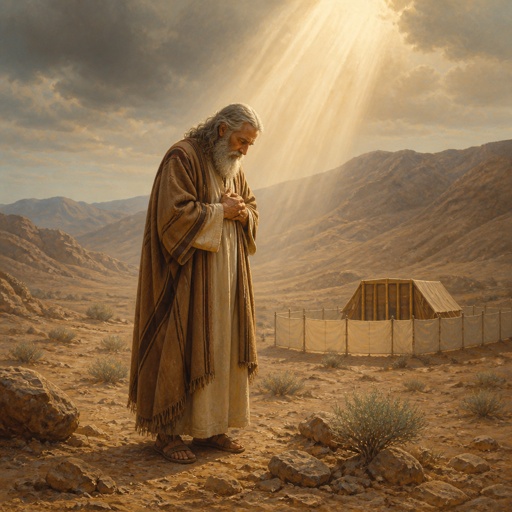
"And the LORD spake unto Moses, saying," - Leviticus 4:1

Leviticus 26: 4-6

Leviticus 26: 4-6

Leviticus 26: 4-6

Leviticus 27:4 - "And if it be a female, then thy estimation shall be thirty shekels."

Leviticus 4:16 - "And the priest that is anointed shall bring of the bullock's blood to the tabernacle of the congregation:"
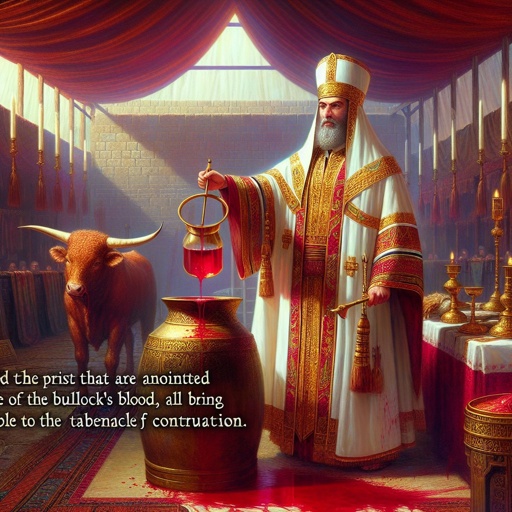
Leviticus 4:5 - "And the priest that is anointed shall take of the bullock's blood, and bring it to the tabernacle of the congregation:"

Leviticus 24:4 - "He shall order the lamps upon the pure candlestick before the LORD continually."

Leviticus 23:4 - "¶ These are the feasts of the LORD, even holy convocations, which ye shall proclaim in their seasons."

Leviticus 23:21

Leviticus 14:51

Leviticus 23:21

Leviticus 23:20

Leviticus 23:21

Leviticus 4:4 - "And he shall bring the bullock unto the door of the tabernacle of the congregation before the LORD; and shall lay his hand upon the bullock's head, and kill the bullock before the LORD."

Leviticus 4:32 - "And if he bring a lamb for a sin offering, he shall bring it a female without blemish."

Leviticus 4:19 - "And he shall take all his fat from him, and burn it upon the altar."

Leviticus 23:21

Leviticus 21:4 - "But he shall not defile himself, being a chief man among his people, to profane himself."

Leviticus 23:21

Leviticus 23:21

Leviticus 8:4 - "And Moses did as the LORD commanded him; and the assembly was gathered together unto the door of the tabernacle of the congregation."
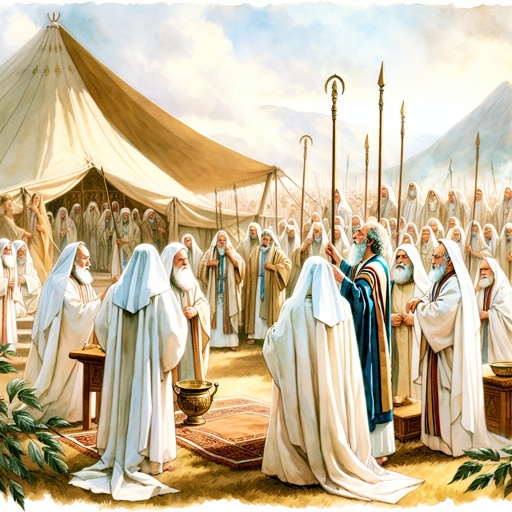
Leviticus 8:1-12

Leviticus 4:11 - "And the skin of the bullock, and all his flesh, with his head, and with his legs, and his inwards, and his dung,"

Leviticus 23:15-22

Leviticus 23:17-22

Leviticus 7:4 - "And the two kidneys, and the fat that is on them, which is by the flanks, and the caul that is above the liver, with the kidneys, it shall he take away:"