What does Leviticus 2:8 mean?
"And thou shalt bring the meat offering that is made of these things unto the LORD: and when it is presented unto the priest, he shall bring it unto the altar." - Leviticus 2:8
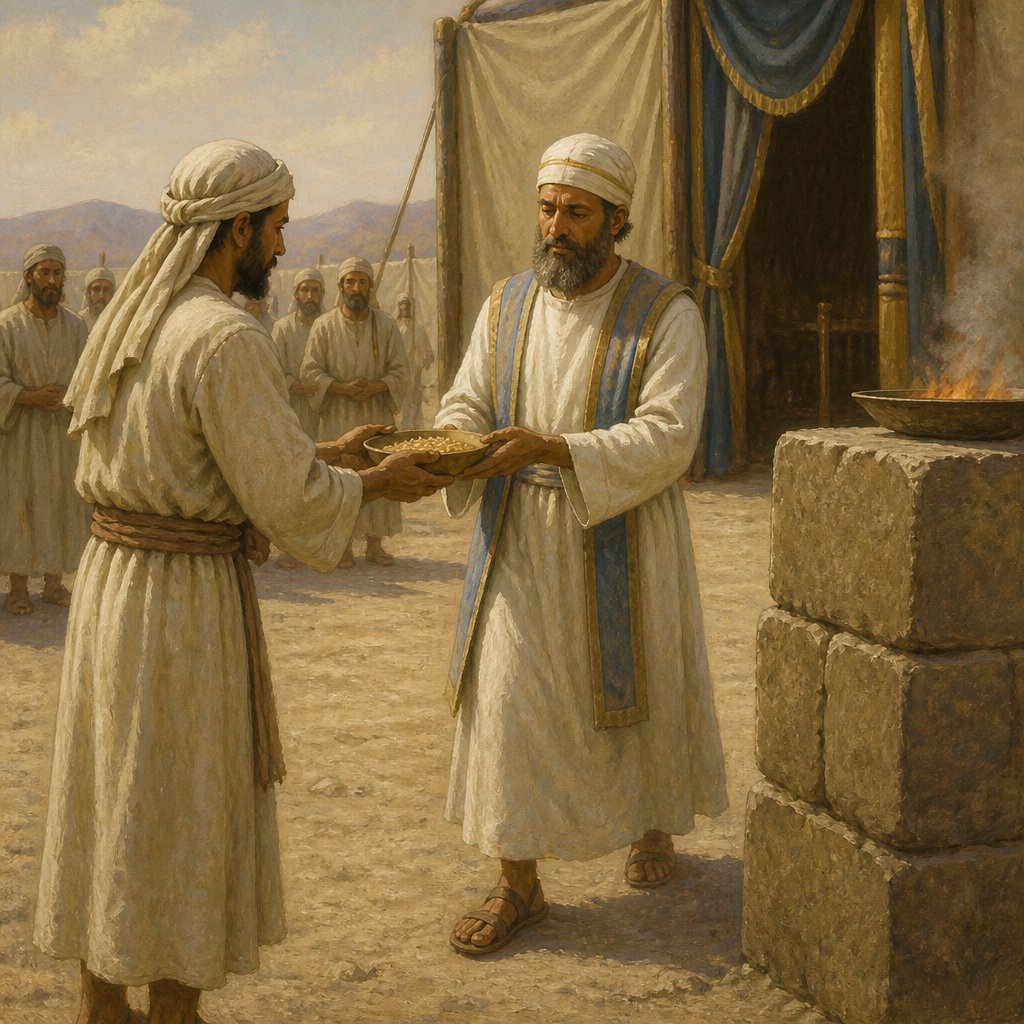
Leviticus 2:8 in the King James Version of the Bible reads: "And thou shalt bring the meat offering that is made of these things unto the Lord: and when it is presented unto the priest, he shall bring it unto the altar."
This verse is part of the Book of Leviticus, which is the third book of the Hebrew Bible and the Old Testament. It is a central text in the Torah and includes laws and rituals concerning the priests, the tabernacle, and sacrifices. Leviticus 2 specifically deals with the grain offering, also known as the meal or meat offering.
The verse can be interpreted on several levels, such as the literal, historical, moral, and allegorical. First, let's examine the literal and historical context of Leviticus 2:8. In ancient Israelite society, the grain offering was a significant part of the sacrificial system. The Israelites were commanded to bring their offerings to the tabernacle, where the priests would present them to the Lord on behalf of the people. The grain offering was a symbol of thanksgiving, devotion, and dedication to God, and it was presented alongside other offerings, such as burnt offerings and peace offerings.
The grain offering itself typically consisted of fine flour, oil, and frankincense. These ingredients had specific symbolic meanings: the fine flour represented the product of hard work and labor, the oil represented richness and sustenance, and the frankincense represented the pleasing fragrance of the offering to God. When the offering was presented to the priest, he would bring it to the altar and offer it to the Lord as a pleasing aroma.
On a moral level, Leviticus 2:8 can be seen as a reminder of the importance of offering the best of what we have to God. The Israelites were instructed to bring the finest flour and oil for the grain offering, indicating that they should not offer God anything less than their best. This principle can apply to our lives today in the form of giving our best efforts, talents, and possessions to God and others.
Furthermore, on an allegorical level, the grain offering can symbolize the offering of ourselves to God. Just as the Israelites presented the grain offering to the Lord through the priest, we are called to present ourselves as living sacrifices to God (Romans 12:1). This means surrendering our lives, talents, and resources to serve and honor God. The act of bringing the offering to the priest mirrors the act of confessing sin and seeking forgiveness through Christ, who serves as our High Priest and intercessor before God (Hebrews 4:14-16).
In a broader theological sense, the grain offering points to the ultimate sacrifice of Jesus Christ on the cross. In the New Testament, Jesus is described as the "bread of life" (John 6:35) and the "anointed one" (Messiah, or Christ) who offers himself as a fragrant sacrifice to God (Ephesians 5:2). By fulfilling the requirements of the Law and serving as the perfect atoning sacrifice, Jesus became our mediator and reconciled humanity to God (1 Timothy 2:5).
In conclusion, Leviticus 2:8 offers valuable insights into the significance of the grain offering in ancient Israelite worship, as well as its enduring moral and spiritual implications for believers today. It reminds us of the importance of giving our best to God, surrendering our lives to Him, and being mindful of the ultimate sacrifice of Jesus Christ. This verse highlights the theological continuity between the Old and New Testaments and the rich symbolism of the sacrificial system in the Bible.
Have questions about Leviticus 2:8?
Dive deeper into this scripture with Bible Chat — an AI-powered tool for exploring God's Word through conversation. Ask questions, get context, and grow in your understanding of the Bible.
Get Our Apps


Leviticus 2:8 Artwork

Leviticus 2:8 - "And thou shalt bring the meat offering that is made of these things unto the LORD: and when it is presented unto the priest, he shall bring it unto the altar."
"And thou shalt bring the meat offering that is made of these things unto the LORD: and when it is presented unto the priest, he shall bring it unto the altar." - Leviticus 2:8

Leviticus 8:2 - "Take Aaron and his sons with him, and the garments, and the anointing oil, and a bullock for the sin offering, and two rams, and a basket of unleavened bread;"

Leviticus 16:8

Leviticus 8:30
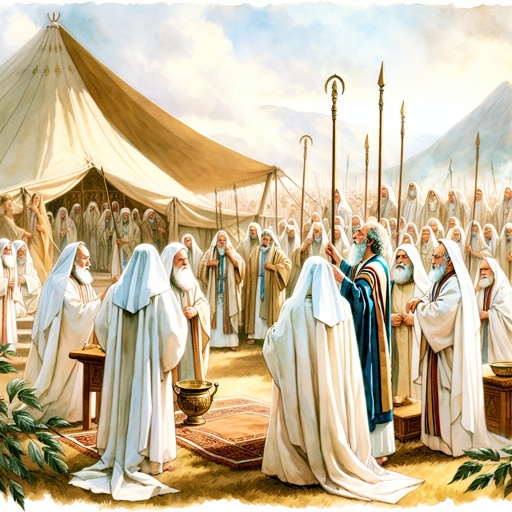
Leviticus 8:1-12

Leviticus 8:8 - "And he put the breastplate upon him: also he put in the breastplate the Urim and the Thummim."

Leviticus 6:8 - "¶ And the LORD spake unto Moses, saying,"
Leviticus 10:8 - "¶ And the LORD spake unto Aaron, saying,"

Leviticus 8:1 - "And the LORD spake unto Moses, saying,"

Leviticus 8:32 - "And that which remaineth of the flesh and of the bread shall ye burn with fire."

Leviticus 8:6 - "And Moses brought Aaron and his sons, and washed them with water."

Leviticus 8:19 - "And he killed it; and Moses sprinkled the blood upon the altar round about."

Leviticus 8:3 - "And gather thou all the congregation together unto the door of the tabernacle of the congregation."

Leviticus 8:5 - "And Moses said unto the congregation, This is the thing which the LORD commanded to be done."

Leviticus 8:20 - "And he cut the ram into pieces; and Moses burnt the head, and the pieces, and the fat."

Leviticus 18:8 - "The nakedness of thy father's wife shalt thou not uncover: it is thy father's nakedness."
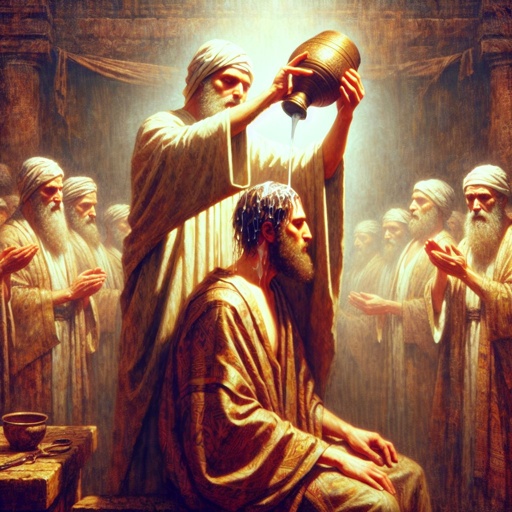
Leviticus 8:12 - "And he poured of the anointing oil upon Aaron's head, and anointed him, to sanctify him."

Leviticus 9:8 - "¶ Aaron therefore went unto the altar, and slew the calf of the sin offering, which was for himself."

Leviticus 8:10 - "And Moses took the anointing oil, and anointed the tabernacle and all that was therein, and sanctified them."

Leviticus 11:8 - "Of their flesh shall ye not eat, and their carcase shall ye not touch; they are unclean to you."

Leviticus 8:36 - "So Aaron and his sons did all things which the LORD commanded by the hand of Moses."
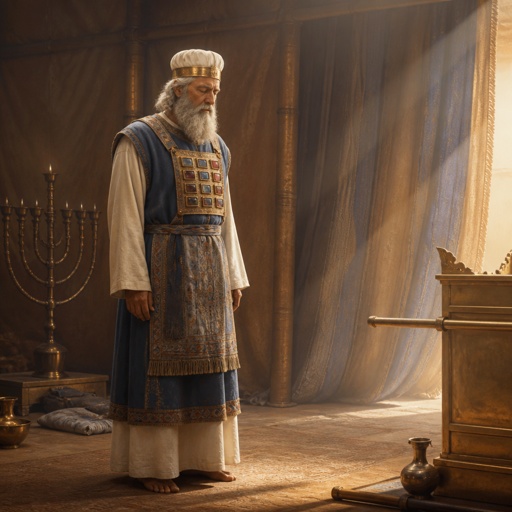
"¶ And the LORD spake unto Aaron, saying," - Leviticus 10:8
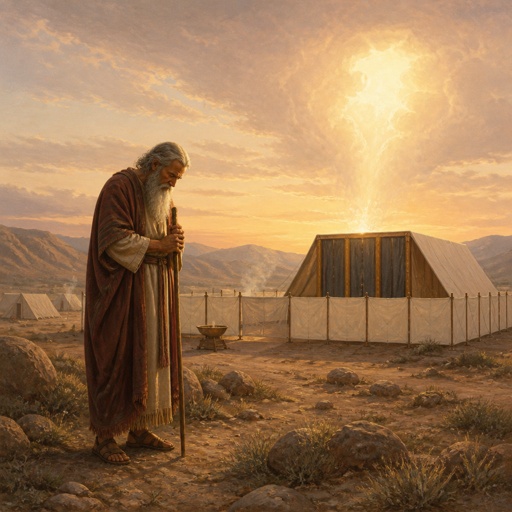
"¶ And the LORD spake unto Moses, saying," - Leviticus 6:8

"And the LORD spake unto Moses, saying," - Leviticus 8:1

Leviticus 20:8 - "And ye shall keep my statutes, and do them: I am the LORD which sanctify you."

Leviticus 8:18 - "¶ And he brought the ram for the burnt offering: and Aaron and his sons laid their hands upon the head of the ram."

Leviticus 8:34 - "As he hath done this day, so the LORD hath commanded to do, to make an atonement for you."

Leviticus 8:4 - "And Moses did as the LORD commanded him; and the assembly was gathered together unto the door of the tabernacle of the congregation."

Leviticus 13:8 - "And if the priest see that, behold, the scab spreadeth in the skin, then the priest shall pronounce him unclean: it is a leprosy."