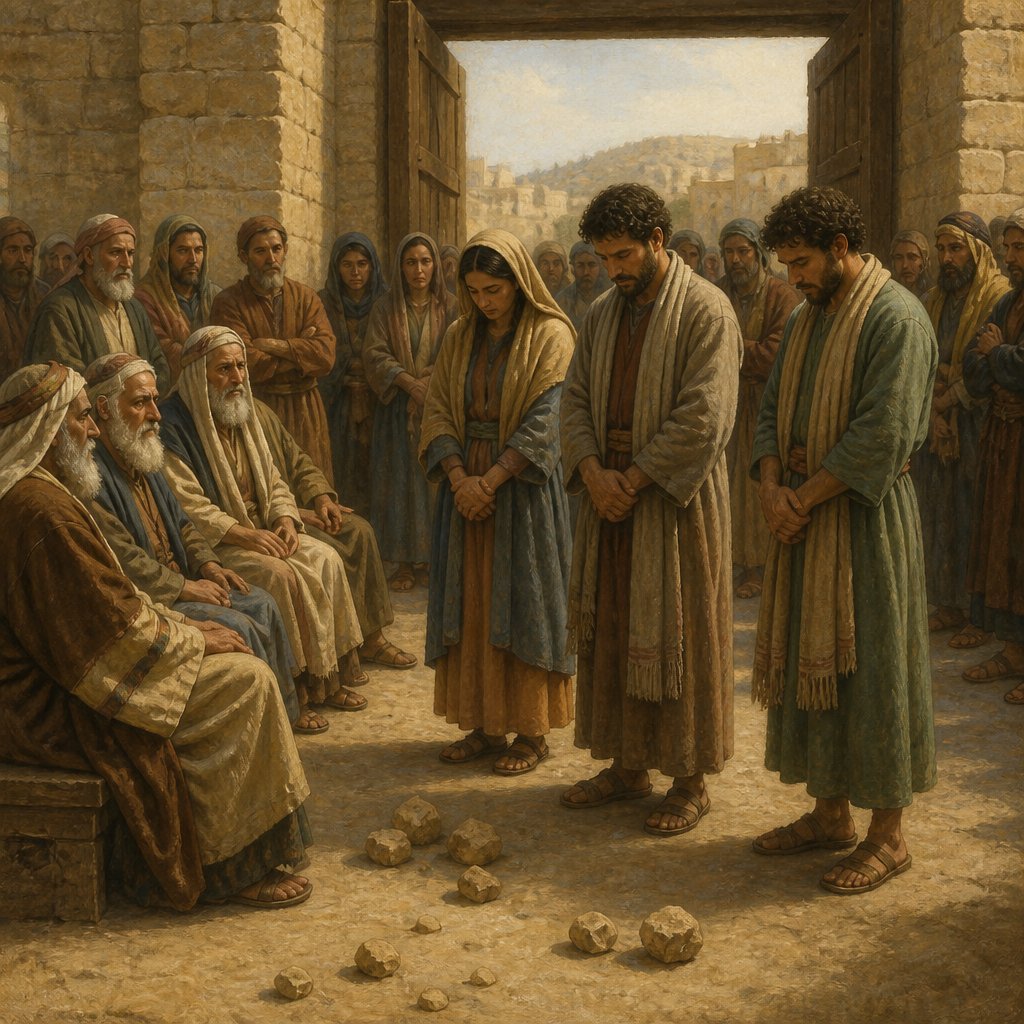
Leviticus 20:10-12 (KJV) says: "And the man that committeth adultery with another man's wife, even he that committeth adultery with his neighbour's wife, the adulterer and the adulteress shall surely be put to death. And the man that lieth with his father's wife hath uncovered his father's nakedness: both of them shall surely be put to death; their blood shall be upon them. And if a man lie with his daughter-in-law, both of them shall surely be put to death: they have wrought confusion; their blood shall be upon them."
In these verses, there is a strong emphasis on the punishment of adultery and sexual immorality, particularly within the context of ancient Israelite society. The text reveals the severity of the consequences for violating the sacred institution of marriage and engaging in illicit sexual relationships.
The theme of the sanctity of marriage and the importance of fidelity is central in these verses. The biblical perspective on marriage is that it is a covenant relationship established by God, and any breach of that covenant through adultery is considered a serious offense. The severity of the punishment reflects the significance of upholding the sanctity of marriage and maintaining faithfulness within the marital relationship.
The specific mention of certain types of adultery, such as with a neighbor's wife, with one's father's wife, and with a daughter-in-law, serves to highlight the different forms of sexual immorality that were considered especially egregious in ancient Israelite society. These examples also reflect the moral and social norms of the time, which were deeply rooted in the preservation of family and community cohesion.
In addition to the emphasis on marital fidelity, these verses also convey the concept of the honor and respect due to family members. For instance, the prohibition of a man lying with his father's wife is a reflection of the value placed on parental relationships and the prohibition of dishonoring one's father or mother.
The symbolism in these verses is closely tied to the larger biblical themes of justice, righteousness, and the moral order established by God. The punishment of death for adultery and sexual immorality underscores the serious nature of these transgressions and the need for accountability and restitution. It also serves as a deterrent against the erosion of the moral fabric of society and reinforces the importance of upholding moral standards.
It's important to interpret these verses in their historical and cultural context. The Israelites were a tribal society with a strong emphasis on familial and communal bonds, and the laws regarding adultery and sexual immorality were meant to protect the integrity of the family unit and maintain social order within the community.
While the harshness of the punishment may seem jarring to modern sensibilities, it's crucial to understand that these laws were part of a specific legal and moral framework designed for a particular time and cultural context. As such, these verses should be approached with a nuanced understanding of their historical and religious significance.
In contemporary society, the principles underlying these verses can still be valuable in promoting healthy and stable relationships. The emphasis on marital fidelity, respect for familial relationships, and the consequences of sexual immorality can serve as important moral guidelines for individuals and communities. It's also worth noting that the New Testament offers a message of grace and forgiveness, emphasizing the opportunity for repentance and restoration in the face of moral failings.
In conclusion, Leviticus 20:10-12 (KJV) provides a compelling reflection on the sanctity of marriage, the importance of fidelity and respect within familial relationships, and the moral order established by God. While these verses may appear harsh in their pronouncements, they offer valuable insights into the significance of upholding moral standards and the consequences of breaching the sacred trust of marriage. Ultimately, these verses invite thoughtful reflection on the moral and ethical foundations of interpersonal relationships and the enduring relevance of biblical teachings in contemporary society.
Get our apps


Artwork for Leviticus 20:10-12

Leviticus 20:10-12 - "Leviticus 20:10-12 If a man commits adultery with another man's wife—with the wife of his neighbor—both the adulterer and the adulteress are to be put to death. If a man has sexual relations with his father’s wife, he has dishonored his father. Both the man and the woman are to be put to death; their blood will be on their own heads. If a man has sexual relations with his daughter-in-law, both of them are to be put to death. What they have done is a perversion; their blood will be on their own heads."
"Leviticus 20:10-12 If a man commits adultery with another man's wife—with the wife of his neighbor—both the adulterer and the adulteress are to be put to death. If a man has sexual relations with his father’s wife, he has dishonored his father. Both the man and the woman are to be put to death; their blood will be on their own heads. If a man has sexual relations with his daughter-in-law, both of them are to be put to death. What they have done is a perversion; their blood will be on their own heads." - Leviticus 20:10-12

Leviticus 10:20 - "And when Moses heard that, he was content."
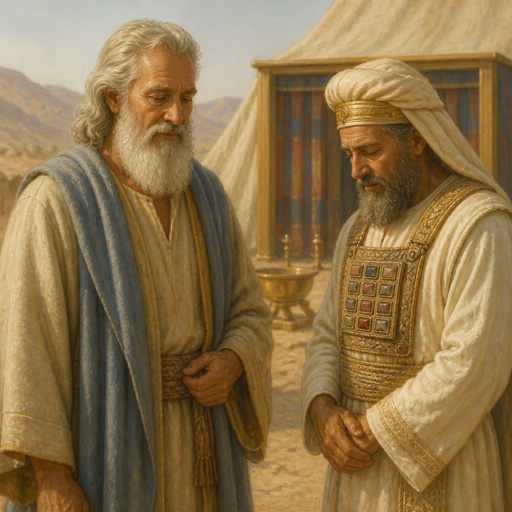
"And when Moses heard that, he was content." - Leviticus 10:20

Leviticus 20:10 - "¶ And the man that committeth adultery with another man's wife, even he that committeth adultery with his neighbour's wife, the adulterer and the adulteress shall surely be put to death."
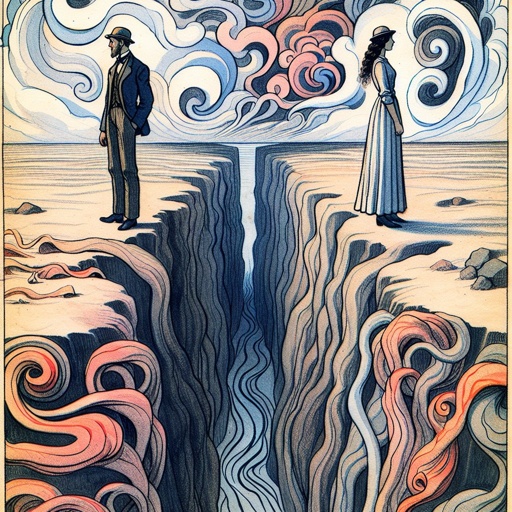
Leviticus 20:12 - "And if a man lie with his daughter in law, both of them shall surely be put to death: they have wrought confusion; their blood shall be upon them."
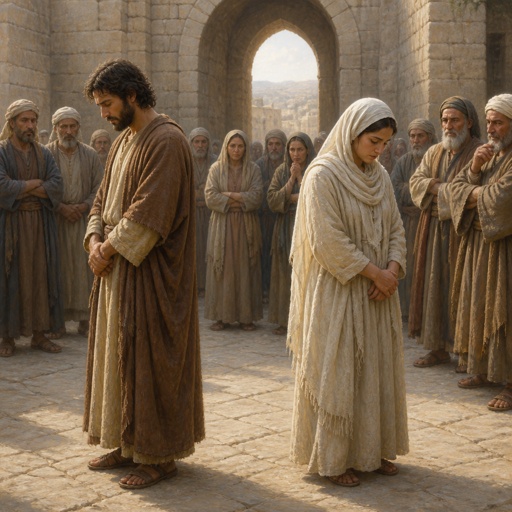
"¶ And the man that committeth adultery with another man's wife, even he that committeth adultery with his neighbour's wife, the adulterer and the adulteress shall surely be put to death." - Leviticus 20:10

Leviticus 23:20

Leviticus 24:20-23
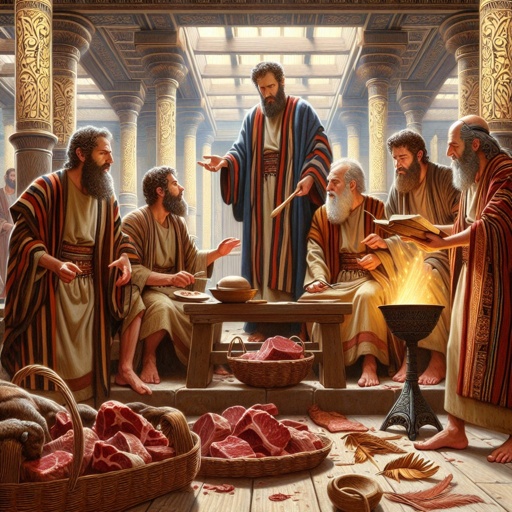
Leviticus 10:12 - "¶ And Moses spake unto Aaron, and unto Eleazar and unto Ithamar, his sons that were left, Take the meat offering that remaineth of the offerings of the LORD made by fire, and eat it without leaven beside the altar: for it is most holy:"

Leviticus 20:1 - "And the LORD spake unto Moses, saying,"
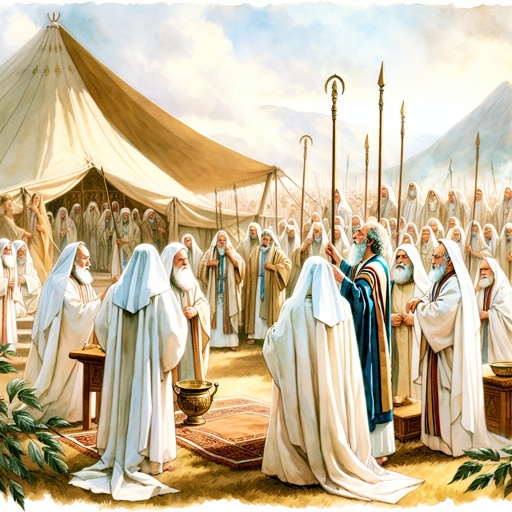
Leviticus 8:1-12

Leviticus 10:10 - "And that ye may put difference between holy and unholy, and between unclean and clean;"

Leviticus 20:22-26 simple picture

Picture to summarize Leviticus 20:22-26

leviticus 16:7-10

Leviticus 20:20 - "And if a man shall lie with his uncle's wife, he hath uncovered his uncle's nakedness: they shall bear their sin; they shall die childless."
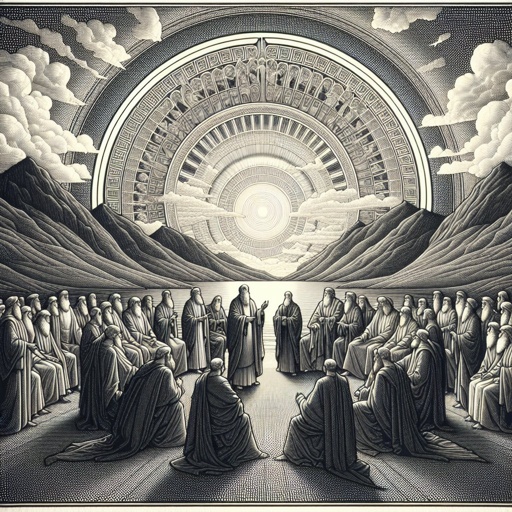
Leviticus 10:8 - "¶ And the LORD spake unto Aaron, saying,"

Leviticus 12:1 - "And the LORD spake unto Moses, saying,"

Leviticus 9:20 - "And they put the fat upon the breasts, and he burnt the fat upon the altar:"

Leviticus 8:20 - "And he cut the ram into pieces; and Moses burnt the head, and the pieces, and the fat."

Leviticus 22:20 - "But whatsoever hath a blemish, that shall ye not offer: for it shall not be acceptable for you."
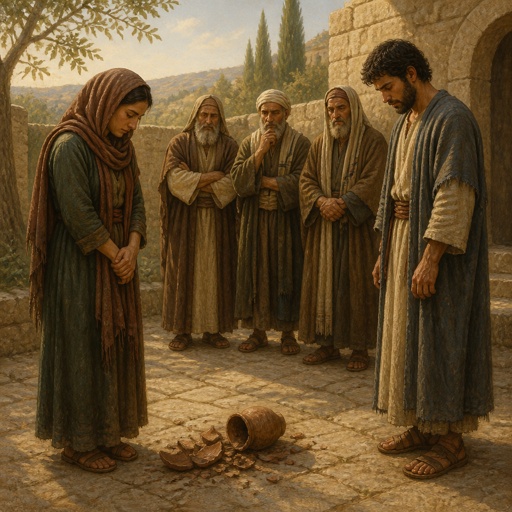
"And if a man lie with his daughter in law, both of them shall surely be put to death: they have wrought confusion; their blood shall be upon them." - Leviticus 20:12

Leviticus 12:3 - "And in the eighth day the flesh of his foreskin shall be circumcised."

Leviticus 20:7 - "¶ Sanctify yourselves therefore, and be ye holy: for I am the LORD your God."

Leviticus 24:12 - "And they put him in ward, that the mind of the LORD might be shewed them."

Leviticus 18:20 - "Moreover thou shalt not lie carnally with thy neighbour's wife, to defile thyself with her."

Leviticus 11:20 - "All fowls that creep, going upon all four, shall be an abomination unto you."

Leviticus 21:20 - "Or crookbackt, or a dwarf, or that hath a blemish in his eye, or be scurvy, or scabbed, or hath his stones broken;"

"And the LORD spake unto Moses, saying," - Leviticus 20:1