What does Leviticus 20:14 mean?
“And if a man take a wife and her mother, it is wickedness: they shall be burnt with fire, both he and they; that there be no wickedness among you.” — Leviticus 20:14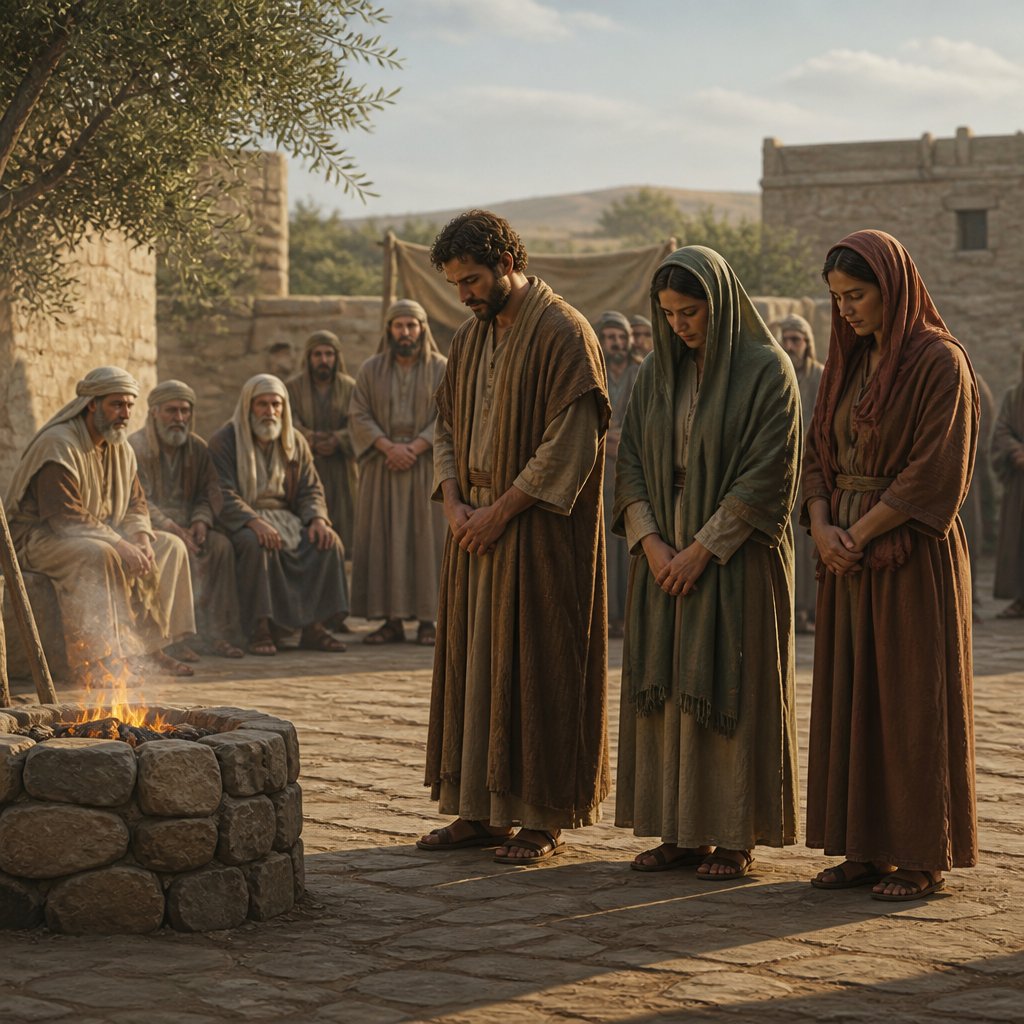
Leviticus 20:14 in the King James Version of the Bible states, "And if a man take a wife and her mother, it is wickedness: they shall be burnt with fire, both he and they; that there be no wickedness among you."
This verse comes from the book of Leviticus, which is the third book of the Old Testament and focuses on the laws and regulations that were given to the people of Israel by God through Moses. The specific law in this verse is in relation to the prohibition of a man taking a wife and her mother as his wife. The consequences for violating this law are severe, as both the man and the women involved are to be burnt with fire.
The underlying principle behind this law is to maintain purity and holiness within the community. In ancient Israel, the family unit was highly important and was intended to be a reflection of the sacred relationship between God and his people. Therefore, any action that would disrupt or defile this relationship was seen as a serious offense. In the case of a man taking a wife and her mother, the sanctity of the family structure would be violated, and this was to be met with the harshest punishment to serve as a deterrent for such behavior.
Additionally, this law serves as a reminder of the importance of faithfulness and loyalty within marriage. In the biblical context, marriage is considered a sacred covenant between a man, a woman, and God. By taking a wife and her mother, a man would be betraying the trust and commitment that is meant to be exclusive between him and his wife. This law therefore reinforces the sanctity of marriage and the importance of upholding the vows and responsibilities that come with it.
Symbolically, the burning with fire as a punishment for this offense carries a weighty symbolism. Fire is often associated with purification and judgment in the Bible. In this context, the burning with fire represents the purification of the community from the wickedness brought about by such a violation of God's laws. It also symbolizes the severity of the punishment for defiling the sacred institution of marriage and the family.
In a broader sense, this verse also reflects the overarching theme of holiness and separation in the book of Leviticus. The Israelites were called to be a holy people, set apart for God's purposes. The laws and regulations given to them were meant to guide them in living a righteous and distinct life. The prohibition against marrying a woman and her mother was one of many laws intended to maintain this sense of holiness and separation from the practices of the surrounding nations.
It is important to note that the laws and regulations in Leviticus were given to the ancient Israelites and are part of the Old Testament. Christians today do not adhere to these specific laws in the same way, as they are understood to belong to the covenant between God and the people of Israel. However, the underlying principles of faithfulness, loyalty, and the sanctity of marriage still hold timeless relevance for believers today.
In conclusion, Leviticus 20:14 carries important themes of holiness, faithfulness, and the sanctity of marriage. Through this law, the Israelites were given guidance on upholding the sacredness of the family unit and the importance of remaining faithful to one's spouse. The severe punishment for violating this law underscores the seriousness of adhering to God's commands and the significance of maintaining purity within the community. As with many laws in the Old Testament, this verse ultimately points to the character of God and his desire for his people to reflect his holiness.
Get our apps


Artwork for Leviticus 20:14
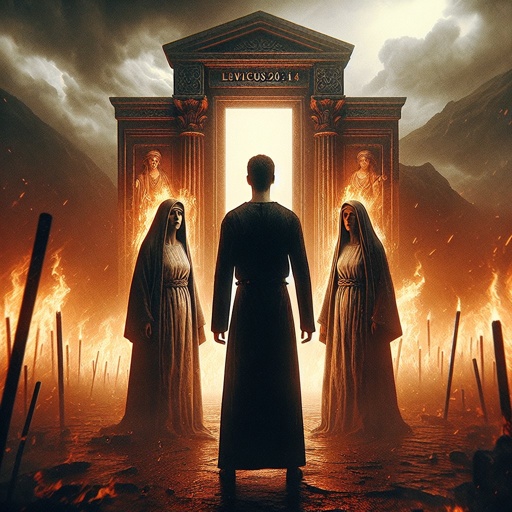
Leviticus 20:14 - "And if a man take a wife and her mother, it is wickedness: they shall be burnt with fire, both he and they; that there be no wickedness among you."
"And if a man take a wife and her mother, it is wickedness: they shall be burnt with fire, both he and they; that there be no wickedness among you." - Leviticus 20:14

Leviticus 14:20 - "And the priest shall offer the burnt offering and the meat offering upon the altar: and the priest shall make an atonement for him, and he shall be clean."

Leviticus 23:20

Leviticus 24:20-23

Leviticus 14:51

Leviticus 20:1 - "And the LORD spake unto Moses, saying,"

Leviticus 10:20 - "And when Moses heard that, he was content."

Leviticus 14:55 - "And for the leprosy of a garment, and of a house,"

Leviticus 14:56 - "And for a rising, and for a scab, and for a bright spot:"
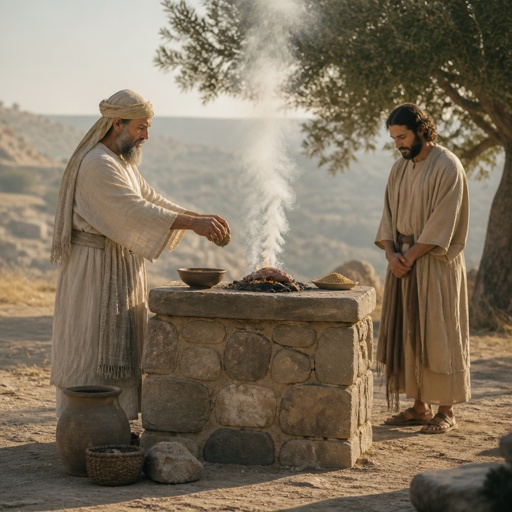
"And the priest shall offer the burnt offering and the meat offering upon the altar: and the priest shall make an atonement for him, and he shall be clean." - Leviticus 14:20

Leviticus 20:22-26 simple picture

Picture to summarize Leviticus 20:22-26

Leviticus 14:1 - "And the LORD spake unto Moses, saying,"

Leviticus 11:14 - "And the vulture, and the kite after his kind;"
Leviticus 5:14 - "¶ And the LORD spake unto Moses, saying,"

Leviticus 14:54 - "This is the law for all manner of plague of leprosy, and scall,"

Leviticus 20:20 - "And if a man shall lie with his uncle's wife, he hath uncovered his uncle's nakedness: they shall bear their sin; they shall die childless."

Leviticus 26:14 - "¶ But if ye will not hearken unto me, and will not do all these commandments;"

Leviticus 14:33 - "¶ And the LORD spake unto Moses and unto Aaron, saying,"

Leviticus 9:20 - "And they put the fat upon the breasts, and he burnt the fat upon the altar:"

Leviticus 8:20 - "And he cut the ram into pieces; and Moses burnt the head, and the pieces, and the fat."

Leviticus 22:20 - "But whatsoever hath a blemish, that shall ye not offer: for it shall not be acceptable for you."

Leviticus 14:57 - "To teach when it is unclean, and when it is clean: this is the law of leprosy."

"And for the leprosy of a garment, and of a house," - Leviticus 14:55

Leviticus 20:7 - "¶ Sanctify yourselves therefore, and be ye holy: for I am the LORD your God."

Leviticus 13:14 - "But when raw flesh appeareth in him, he shall be unclean."

Leviticus 14:26 - "And the priest shall pour of the oil into the palm of his own left hand:"

Leviticus 18:20 - "Moreover thou shalt not lie carnally with thy neighbour's wife, to defile thyself with her."

Leviticus 11:20 - "All fowls that creep, going upon all four, shall be an abomination unto you."