What does Leviticus 20:26 mean?
“And ye shall be holy unto me: for I the LORD am holy, and have severed you from other people, that ye should be mine.” — Leviticus 20:26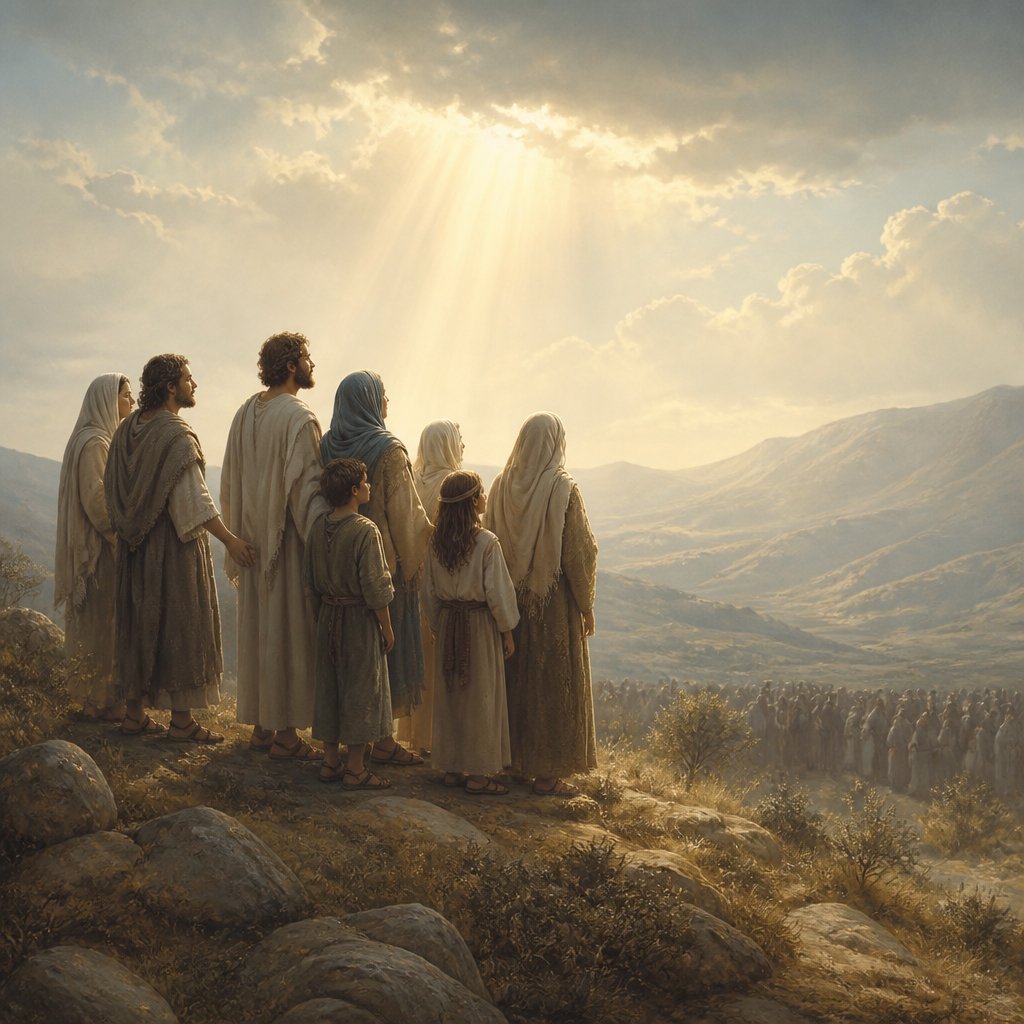
Leviticus 20:26 (KJV) states, "And ye shall be holy unto me: for I the Lord am holy, and have severed you from other people, that ye should be mine."
This verse comes from the Book of Leviticus, which is the third book of the Hebrew Bible, and it is part of the Torah, the central reference of the religious Judaic tradition. The book of Leviticus primarily contains laws and regulations given to the Israelites by God through Moses. It is a significant text for both Judaism and Christianity, as it outlines important religious, moral, and ethical standards for the believers of the faith.
In Leviticus 20:26, God commands the Israelites to be holy, for He is holy. This verse emphasizes the importance of spiritual purity and moral uprightness as a reflection of God’s own perfect and untainted nature. It serves as a reminder to the Israelites of their chosen status and the responsibility that comes with it.
The theme of holiness is central to this verse. The word "holy" in the original Hebrew is "kadosh," which means “set apart” or “sacred.” It reflects the idea of being distinct or separate from the profane or common. In this context, God is calling His people to set themselves apart from the practices and behaviors of other nations and to dedicate themselves to His service alone.
The concept of holiness also carries the idea of moral purity and integrity. It encompasses a life that conforms to the character and will of God. As the Israelites are called to be holy, they are being called to live out God’s values and principles in every aspect of their lives. This includes their worship, relationships, actions, and societal conduct.
Another significant theme presented in this verse is the chosenness of the Israelites. God states that He has severed them from other people to be His own. This declaration reminds the Israelites of their special relationship with God and the covenant He established with them. It emphasizes their unique position as God’s chosen people and the privileges and obligations that come with this status.
The verse also highlights the idea of separation. The Israelites are called to be distinct and separate from other nations, particularly in their faith and worship. This separation is not a form of isolation or elitism but a means to maintain the purity and identity of their faith. By being set apart, they are to demonstrate God’s character and values to the world.
Symbolism is a prominent literary device used in the Bible, and it is also present in Leviticus 20:26. The symbolism of holiness reflects God’s nature and character. It underscores His purity, righteousness, and perfection. The call to holiness signifies the believers’ participation in the divine nature and their representation of God’s attributes in the world.
Furthermore, the concept of being severed or set apart symbolizes the idea of consecration and dedication. It signifies the Israelites’ commitment to God and their exclusive allegiance to Him. This separation serves as a visible symbol of their faith and obedience to God’s commandments.
In its historical context, Leviticus 20:26 can be understood as a response to the cultural and religious practices of the surrounding nations. The Israelites lived among pagan societies that engaged in idolatry, immoral rituals, and unethical behaviors. God’s command for holiness and separation was a way to preserve the spiritual and moral integrity of His people.
In Christianity, this verse is also significant as it is echoed in the New Testament. In 1 Peter 1:16, it is written, “Be ye holy; for I am holy,” reaffirming the enduring relevance of holiness in the Christian faith. The call to holiness remains a foundational principle for believers, emphasizing the necessity of moral purity and spiritual devotion to God.
In conclusion, Leviticus 20:26 carries a profound message about holiness, chosenness, and separation. It underscores the fundamental principles of faith, moral integrity, and devotion to God. It epitomizes the divine call for believers to live a life that reflects God’s nature and values in a world marked by sin and corruption. This verse continues to hold significant spiritual and ethical implications for believers of both Judaism and Christianity, emphasizing the enduring importance of holiness and consecration in the practice of faith.
Get our apps


Artwork for Leviticus 20:26

Leviticus 20:26 - "And ye shall be holy unto me: for I the LORD am holy, and have severed you from other people, that ye should be mine."
"And ye shall be holy unto me: for I the LORD am holy, and have severed you from other people, that ye should be mine." - Leviticus 20:26

Leviticus 20:22-26 simple picture

Picture to summarize Leviticus 20:22-26
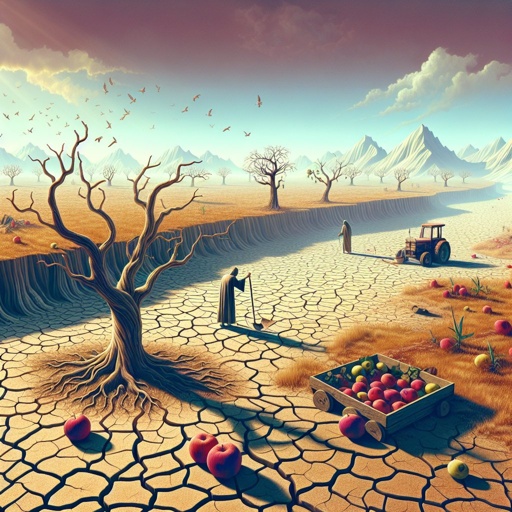
Leviticus 26:20 - "And your strength shall be spent in vain: for your land shall not yield her increase, neither shall the trees of the land yield their fruits."

Leviticus 26: 4-6

Leviticus 26: 4-6
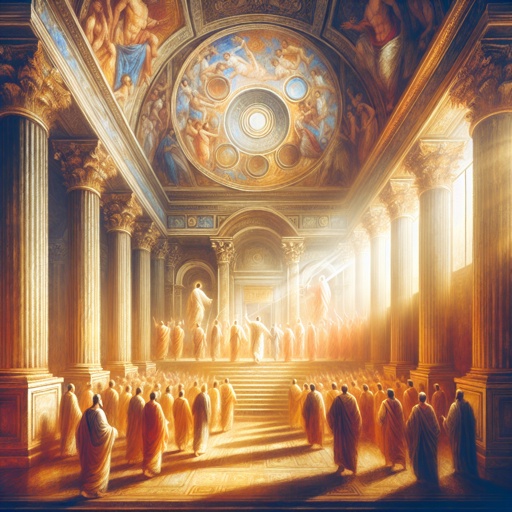
Leviticus 26: 4-6

Leviticus 23:20

Leviticus 23:26 - "¶ And the LORD spake unto Moses, saying,"

Leviticus 22:26 - "¶ And the LORD spake unto Moses, saying,"
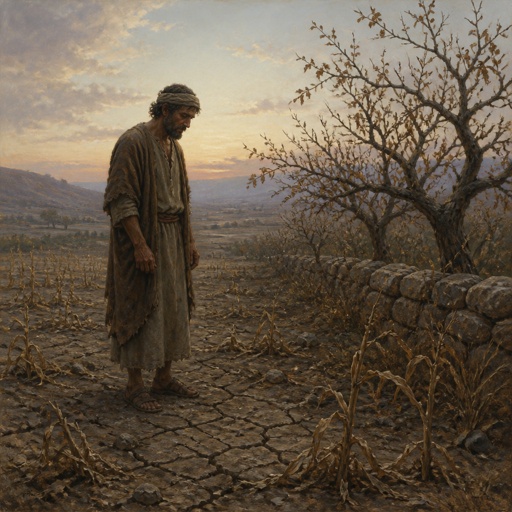
"And your strength shall be spent in vain: for your land shall not yield her increase, neither shall the trees of the land yield their fruits." - Leviticus 26:20

Leviticus 24:20-23

Leviticus 26:14 - "¶ But if ye will not hearken unto me, and will not do all these commandments;"

Leviticus 25:26 - "And if the man have none to redeem it, and himself be able to redeem it;"

Leviticus 20:1 - "And the LORD spake unto Moses, saying,"

Leviticus 10:20 - "And when Moses heard that, he was content."

Leviticus 26:23 - "And if ye will not be reformed by me by these things, but will walk contrary unto me;"

Leviticus 26:3 - "¶ If ye walk in my statutes, and keep my commandments, and do them;"

Leviticus 14:26 - "And the priest shall pour of the oil into the palm of his own left hand:"

Proverbs 26:20

Leviticus 26:27 - "And if ye will not for all this hearken unto me, but walk contrary unto me;"

Leviticus 26:7 - "And ye shall chase your enemies, and they shall fall before you by the sword."

Leviticus 26:12 - "And I will walk among you, and will be your God, and ye shall be my people."

Leviticus 26:10 - "And ye shall eat old store, and bring forth the old because of the new."

Leviticus 26:11 - "And I will set my tabernacle among you: and my soul shall not abhor you."

Leviticus 26:2 - "¶ Ye shall keep my sabbaths, and reverence my sanctuary: I am the LORD."

Leviticus 26:32 - "And I will bring the land into desolation: and your enemies which dwell therein shall be astonished at it."

Leviticus 26:38 - "And ye shall perish among the heathen, and the land of your enemies shall eat you up."
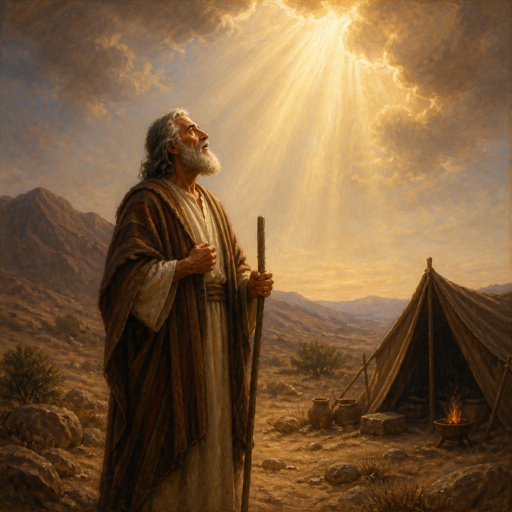
"¶ And the LORD spake unto Moses, saying," - Leviticus 23:26