What does Leviticus 20:7 mean?
“Sanctify yourselves therefore, and be ye holy: for I am the LORD your God.” — Leviticus 20:7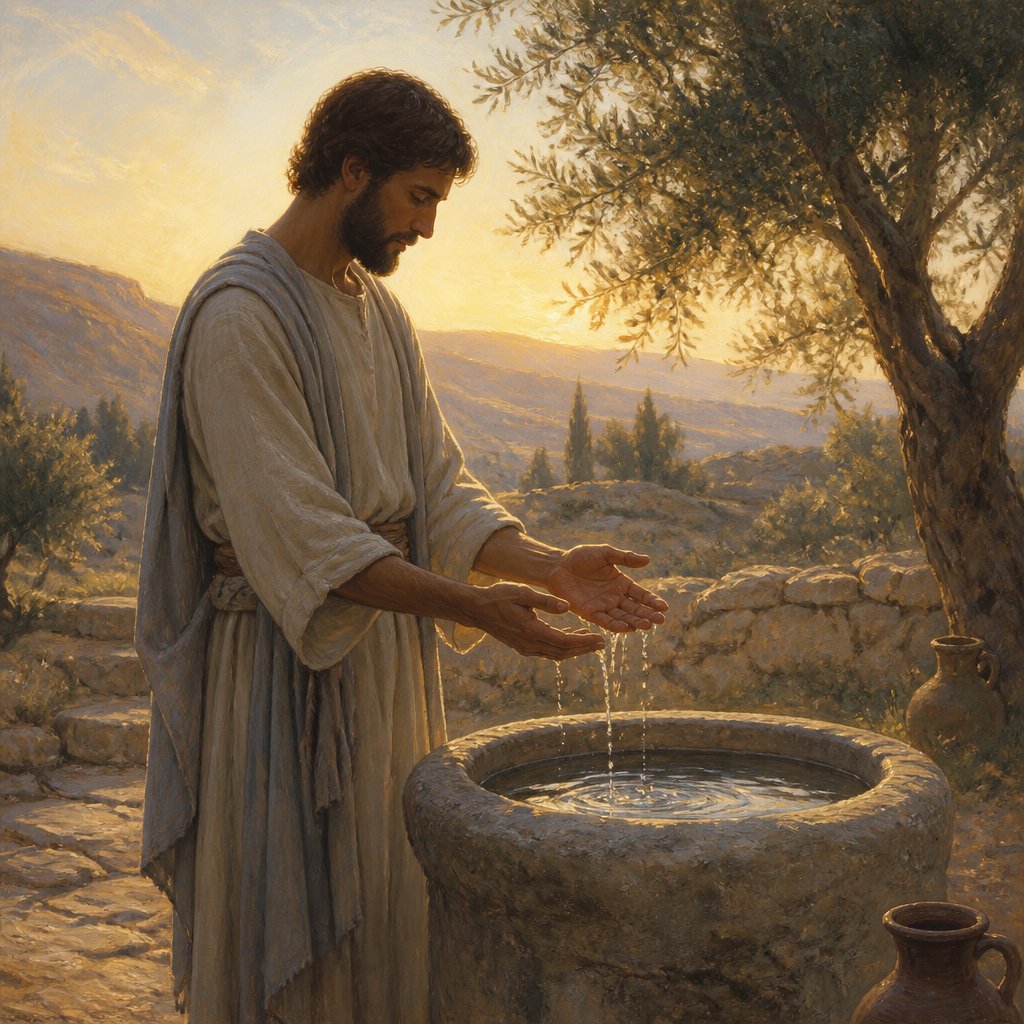
Leviticus 20:7 (KJV) states, "Sanctify yourselves therefore, and be ye holy: for I am the Lord your God." This verse is found in the Old Testament, specifically in the book of Leviticus, which is the third book of the Bible. The book of Leviticus is primarily concerned with the laws and regulations governing the religious, moral, and ceremonial practices of the Israelite people.
The verse begins with a call to "sanctify yourselves." The concept of sanctification is central to the Israelite religion and involves being set apart for a sacred purpose. It is a process of purification and consecration that requires individuals to distance themselves from sin and impurity and to dedicate themselves to God. This process involves both a moral and ritual component, as individuals are required to live according to God's commandments and participate in various religious ceremonies and practices.
The verse continues with the command to "be ye holy." The term "holy" refers to something that is set apart as sacred and pure. In this context, holiness is closely tied to sanctification, as individuals are called to live in a manner that is pleasing to God and reflects His moral and ethical standard. The pursuit of holiness involves a commitment to righteousness and obedience to God's will, as well as a separation from sinful behaviors and attitudes.
The verse concludes with the declaration, "for I am the Lord your God." This statement serves as a reminder of the authority and sovereignty of God over His people. It underscores the personal relationship between God and the Israelites, and reinforces the idea that their obedience and devotion to Him are of utmost importance.
One of the key themes in this verse is the importance of holiness and sanctification in the life of a believer. The call to sanctify oneself and be holy reflects the emphasis on moral purity and spiritual dedication found throughout the Old Testament. It is a reminder that the Israelites were called to live differently from the surrounding nations and to embody the character of God in their everyday lives.
Another theme present in this verse is the relational aspect of holiness. The command to be holy is rooted in the covenantal relationship between God and His people. The Israelites were chosen by God to be a holy nation, and their obedience to His commandments was a vital part of maintaining that covenantal relationship. This theme highlights the interconnectedness of holiness, obedience, and relationship with God.
The historical and cultural context of this verse is important for understanding its significance. The book of Leviticus was written during a time when the Israelites were establishing their identity as a nation and developing their religious and cultural practices. The laws and regulations outlined in the book were intended to provide guidance for the Israelites on how to live in a way that was pleasing to God and distinct from the surrounding pagan cultures.
Symbolism is also present in this verse, particularly in the imagery of sanctification and holiness. The idea of being set apart and consecrated for a sacred purpose carries symbolic weight, as it represents the believer's separation from the world and dedication to God. Holiness, as a symbol of moral purity and devotion to God, serves as a powerful representation of the believer's inner transformation and commitment to living a life that reflects the character of God.
In conclusion, Leviticus 20:7 (KJV) is a verse that emphasizes the importance of sanctification and holiness in the life of a believer. It conveys a call to live in a manner that is dedicated to God and reflects His moral and ethical standard. The verse also highlights the relational aspect of holiness, emphasizing the covenantal relationship between God and His people. Through its themes of sanctification, holiness, and relationship with God, this verse offers a powerful reminder of the believer's call to live a life that is set apart for God's purposes.
Get our apps


Artwork for Leviticus 20:7

Leviticus 20:7 - "¶ Sanctify yourselves therefore, and be ye holy: for I am the LORD your God."
"¶ Sanctify yourselves therefore, and be ye holy: for I am the LORD your God." - Leviticus 20:7
Leviticus 7:20 - "But the soul that eateth of the flesh of the sacrifice of peace offerings, that pertain unto the LORD, having his uncleanness upon him, even that soul shall be cut off from his people."

Leviticus 23:20

Leviticus 24:20-23

Leviticus 20:1 - "And the LORD spake unto Moses, saying,"

Leviticus 10:20 - "And when Moses heard that, he was content."

Leviticus 17:7

Leviticus 20:22-26 simple picture

Picture to summarize Leviticus 20:22-26

leviticus 16:7-10

Leviticus 20:20 - "And if a man shall lie with his uncle's wife, he hath uncovered his uncle's nakedness: they shall bear their sin; they shall die childless."

Leviticus 9:20 - "And they put the fat upon the breasts, and he burnt the fat upon the altar:"

Leviticus 8:20 - "And he cut the ram into pieces; and Moses burnt the head, and the pieces, and the fat."

Leviticus 22:20 - "But whatsoever hath a blemish, that shall ye not offer: for it shall not be acceptable for you."

Leviticus 7:22 - "¶ And the LORD spake unto Moses, saying,"

Leviticus 7:28 - "¶ And the LORD spake unto Moses, saying,"

Leviticus 18:20 - "Moreover thou shalt not lie carnally with thy neighbour's wife, to defile thyself with her."

Leviticus 11:20 - "All fowls that creep, going upon all four, shall be an abomination unto you."

Leviticus 21:20 - "Or crookbackt, or a dwarf, or that hath a blemish in his eye, or be scurvy, or scabbed, or hath his stones broken;"

Leviticus 7:1 - "Likewise this is the law of the trespass offering: it is most holy."

Leviticus 7:7 - "As the sin offering is, so is the trespass offering: there is one law for them: the priest that maketh atonement therewith shall have it."

"And the LORD spake unto Moses, saying," - Leviticus 20:1
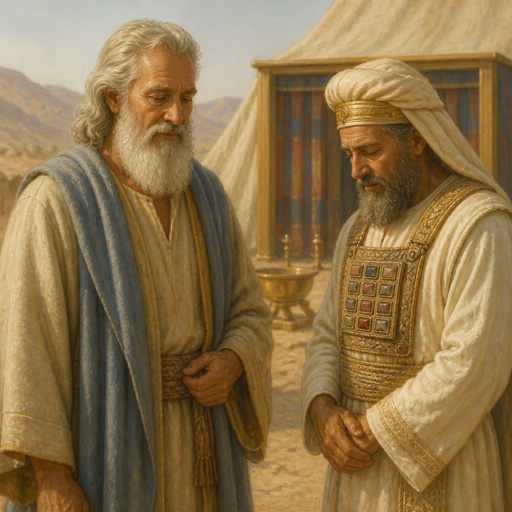
"And when Moses heard that, he was content." - Leviticus 10:20

Leviticus 19:7 - "And if it be eaten at all on the third day, it is abominable; it shall not be accepted."

Leviticus 20:8 - "And ye shall keep my statutes, and do them: I am the LORD which sanctify you."

Leviticus 7:17 - "But the remainder of the flesh of the sacrifice on the third day shall be burnt with fire."

Leviticus 27:20 - "And if he will not redeem the field, or if he have sold the field to another man, it shall not be redeemed any more."
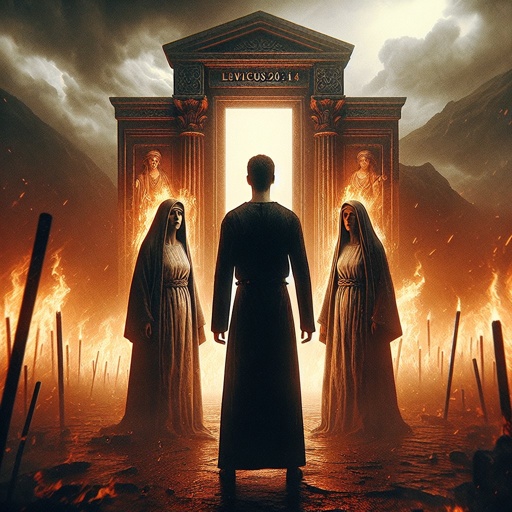
Leviticus 20:14 - "And if a man take a wife and her mother, it is wickedness: they shall be burnt with fire, both he and they; that there be no wickedness among you."

Revelation 20:7