What does Leviticus 20:8 mean?
“And ye shall keep my statutes, and do them: I am the LORD which sanctify you.” — Leviticus 20:8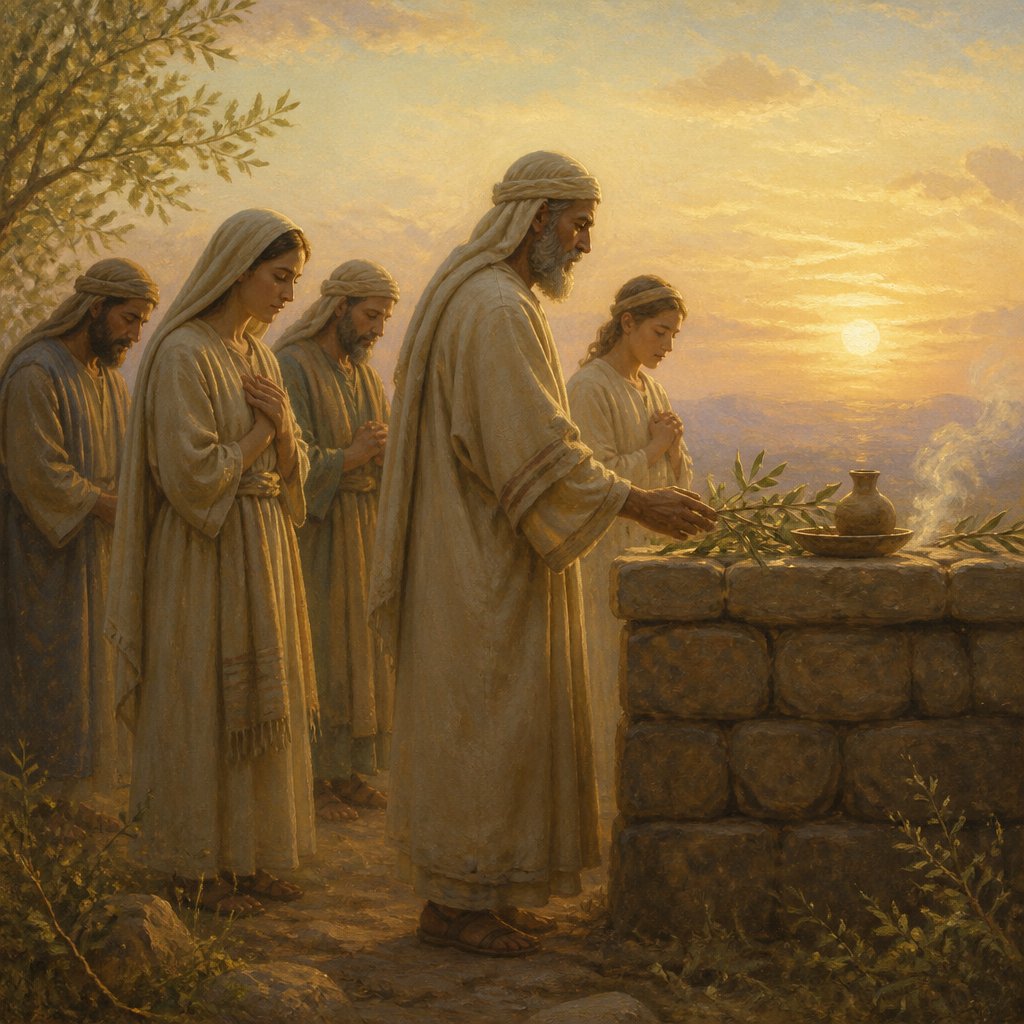
Leviticus 20:8 in the King James Version of the Bible states, "And ye shall keep my statutes, and do them: I am the Lord which sanctify you."
This verse is found in the Book of Leviticus, which is the third book of the Old Testament. This book is primarily concerned with the laws and regulations given to the Israelites by God through Moses. Leviticus is often referred to as the "priestly code" because it contains instructions for the priests and guidelines for holy living.
In Leviticus 20:8, the importance of following God's statutes and the promise of sanctification are emphasized. The verse begins with a command to "keep my statutes, and do them." This is a directive from God, through Moses, to the Israelites to obey the laws and commandments that have been set before them. This includes moral, ethical, and ritualistic practices that are meant to govern the community and distinguish them as God's chosen people.
The verse then continues with the powerful declaration, "I am the Lord which sanctify you." Here, God asserts His authority as the one who sets the Israelites apart and makes them holy. The word "sanctify" means to set apart as sacred or holy, and it carries the connotation of being purified or cleansed from sin. In this context, God is affirming His role as the source of sanctification for the Israelites. It is through their obedience to His laws and commands that they are set apart and made holy in His sight.
This verse contains several important themes and implications that are significant for understanding its broader context within the book of Leviticus and the Bible as a whole. One of the central themes is the idea of obedience to God's statutes. Throughout the Old Testament, obedience to God's laws is presented as crucial for maintaining a relationship with God and for receiving His blessings. Leviticus 20:8 reinforces this theme by emphasizing the importance of keeping God's statutes and doing them.
Another major theme in this verse is the concept of sanctification. The idea of being set apart and made holy by God is central to the Israelites' identity as a chosen people. The process of sanctification involves transformation and purification, and it is ultimately God's work within His people. Leviticus 20:8 highlights God as the source of sanctification, emphasizing His role in making the Israelites holy.
In addition to these themes, Leviticus 20:8 also contains elements of symbolism. The act of keeping God's statutes and doing them represents the tangible expression of faith and obedience. By adhering to the laws and commandments given by God, the Israelites demonstrate their commitment to Him and their trust in His guidance. Likewise, the concept of sanctification symbolizes the transformation and purification that occurs within the individual and the community as they seek to live in accordance with God's will.
Beyond its immediate context within the book of Leviticus, Leviticus 20:8 also holds broader theological implications for believers today. The call to keep God's statutes and the promise of sanctification and transformation resonates with the New Testament teachings on obedience to Christ and the process of sanctification through the Holy Spirit. Ultimately, this verse points to the ongoing need for God's people to honor His commands and to seek His transformative work in their lives.
In conclusion, Leviticus 20:8 in the King James Version of the Bible underscores the importance of obedience to God's statutes and the promise of sanctification. Through this verse, God issues a directive for His people to keep His laws and commands, and He affirms His role as the one who sanctifies them. This verse contains rich themes and implications that are foundational to the Israelites' relationship with God and remain relevant for believers today.
Get our apps


Artwork for Leviticus 20:8

Leviticus 20:8 - "And ye shall keep my statutes, and do them: I am the LORD which sanctify you."
"And ye shall keep my statutes, and do them: I am the LORD which sanctify you." - Leviticus 20:8

Leviticus 8:20 - "And he cut the ram into pieces; and Moses burnt the head, and the pieces, and the fat."
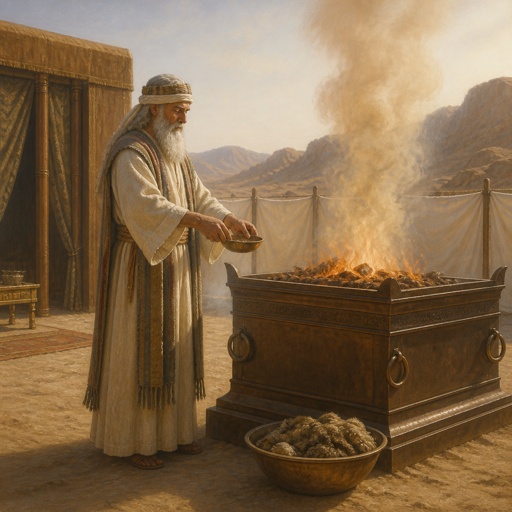
"And he cut the ram into pieces; and Moses burnt the head, and the pieces, and the fat." - Leviticus 8:20

Leviticus 23:20

Leviticus 24:20-23

Leviticus 20:1 - "And the LORD spake unto Moses, saying,"

Leviticus 10:20 - "And when Moses heard that, he was content."

Leviticus 16:8

Leviticus 8:30

Leviticus 20:22-26 simple picture

Picture to summarize Leviticus 20:22-26
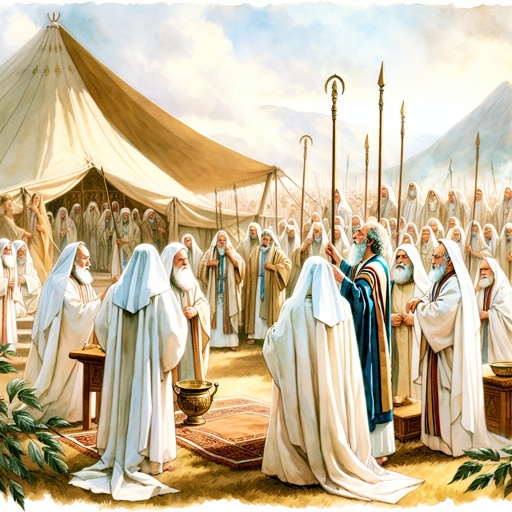
Leviticus 8:1-12

Leviticus 8:8 - "And he put the breastplate upon him: also he put in the breastplate the Urim and the Thummim."

Leviticus 20:20 - "And if a man shall lie with his uncle's wife, he hath uncovered his uncle's nakedness: they shall bear their sin; they shall die childless."

Leviticus 6:8 - "¶ And the LORD spake unto Moses, saying,"
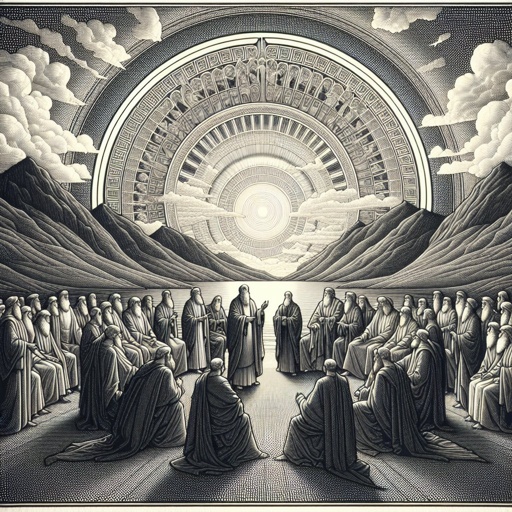
Leviticus 10:8 - "¶ And the LORD spake unto Aaron, saying,"

Leviticus 9:20 - "And they put the fat upon the breasts, and he burnt the fat upon the altar:"

Leviticus 22:20 - "But whatsoever hath a blemish, that shall ye not offer: for it shall not be acceptable for you."

Leviticus 8:1 - "And the LORD spake unto Moses, saying,"

Leviticus 20:7 - "¶ Sanctify yourselves therefore, and be ye holy: for I am the LORD your God."

Leviticus 18:20 - "Moreover thou shalt not lie carnally with thy neighbour's wife, to defile thyself with her."

Leviticus 11:20 - "All fowls that creep, going upon all four, shall be an abomination unto you."

Leviticus 21:20 - "Or crookbackt, or a dwarf, or that hath a blemish in his eye, or be scurvy, or scabbed, or hath his stones broken;"

"And the LORD spake unto Moses, saying," - Leviticus 20:1
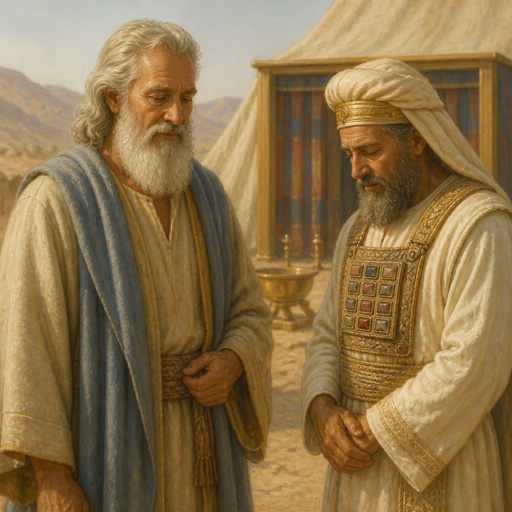
"And when Moses heard that, he was content." - Leviticus 10:20

Leviticus 8:32 - "And that which remaineth of the flesh and of the bread shall ye burn with fire."

Leviticus 8:6 - "And Moses brought Aaron and his sons, and washed them with water."

Leviticus 8:19 - "And he killed it; and Moses sprinkled the blood upon the altar round about."

Leviticus 8:3 - "And gather thou all the congregation together unto the door of the tabernacle of the congregation."