What does Leviticus 21:15 mean?
“Neither shall he profane his seed among his people: for I the LORD do sanctify him.” — Leviticus 21:15
Leviticus 21:15 from the King James Version of the Bible states, "Neither shall he profane his seed among his people: for I the Lord do sanctify him." This verse is found within the context of a larger passage in Leviticus which contains laws and regulations concerning the conduct and behavior of the priests of Israel. In this specific verse, the focus is on the requirement that a priest must not "profane" or defile his offspring among the people, as the Lord has sanctified him for a sacred purpose.
The theme of sanctification and holiness is central to this verse and the larger passage in which it is found. The priests of Israel were set apart and consecrated by the Lord for the purpose of representing the people before God and performing the ceremonial rituals and sacrifices prescribed in the Mosaic law. As such, they were held to a higher standard of moral and spiritual purity, and were required to maintain a level of holiness that set them apart from the rest of the Israelite community.
The significance of not "profaning" one's seed among the people carries deep spiritual and societal implications. The responsibility of the priest to maintain the sanctity of his offspring reflects the importance of preserving a pure and undefiled lineage within the community of Israel. This also underscores the concept of generational blessings and curses, as the conduct of the priest and his descendants could have a lasting impact on the spiritual health of the people.
In a broader sense, this verse speaks to the overarching theme of the holiness of God and the requirement for His people to reflect that holiness in their lives. The Lord, in sanctifying the priest, also expects him to live a life that reflects that sanctification, not just for his own benefit, but for the benefit of the entire community. By maintaining purity and upholding the standards set forth by the Lord, the priest not only honors God but also serves as an example to the people.
The concept of sanctification and holiness is further emphasized through the symbolism present in this verse. The idea of being "set apart" for a specific purpose is a recurring motif in the Bible, and it is exemplified in the role of the priest. By adhering to the laws and regulations set forth by God, the priest becomes a symbol of the holiness and purity that the Israelites are called to embody.
Furthermore, the concept of lineage and posterity is also symbolically rich in this verse. The purity and sanctity of one's offspring represent the continuation of God's covenant with His people and the preservation of His blessings from generation to generation. This emphasizes the importance of maintaining a spiritual legacy and passing on a heritage of faith and obedience to the next generation.
In a broader context, this verse also invites reflection on the idea of spiritual leadership and the responsibilities that come with it. The role of the priest as a spiritual guide and mediator between God and the people requires a deep commitment to holiness and righteousness. This is a timeless lesson that extends beyond the ancient Israelite priesthood and holds relevance for spiritual leaders in all times and places.
In conclusion, Leviticus 21:15 from the King James Version of the Bible encompasses themes of sanctification, holiness, and spiritual leadership. It serves as a reminder of the sacred obligation that the priest has to maintain purity and pass on a heritage of faith and obedience. The symbolism present in this verse reflects the timeless truths of God's holiness and the call for His people to embody that holiness in their lives.
Get our apps


Artwork for Leviticus 21:15

Leviticus 21:15 - "Neither shall he profane his seed among his people: for I the LORD do sanctify him."

"Neither shall he profane his seed among his people: for I the LORD do sanctify him." - Leviticus 21:15

Leviticus 15:21 - "And whosoever toucheth her bed shall wash his clothes, and bathe himself in water, and be unclean until the even."

Leviticus 23:21

Leviticus 23:21

Leviticus 23:21

Leviticus 23:21

Leviticus 23:21

Leviticus 23:21
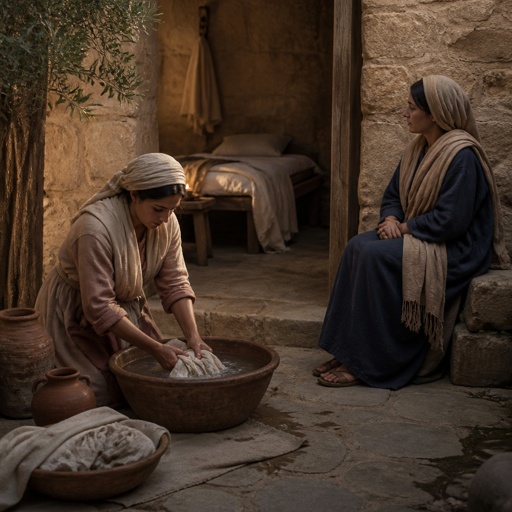
"And whosoever toucheth her bed shall wash his clothes, and bathe himself in water, and be unclean until the even." - Leviticus 15:21

Leviticus 21:19 - "Or a man that is brokenfooted, or brokenhanded,"

Leviticus 21:16 - "¶ And the LORD spake unto Moses, saying,"

Leviticus 21:13 - "And he shall take a wife in her virginity."

Leviticus 23:15-22

Leviticus 11:15 - "Every raven after his kind;"

"Or a man that is brokenfooted, or brokenhanded," - Leviticus 21:19

Leviticus 15:1 - "And the LORD spake unto Moses and to Aaron, saying,"

Leviticus 21:22 - "He shall eat the bread of his God, both of the most holy, and of the holy."

Leviticus 21:24 - "And Moses told it unto Aaron, and to his sons, and unto all the children of Israel."

Leviticus 9:21 - "And the breasts and the right shoulder Aaron waved for a wave offering before the LORD; as Moses commanded."

Leviticus 15:15 - "And the priest shall offer them, the one for a sin offering, and the other for a burnt offering; and the priest shall make an atonement for him before the LORD for his issue."

Luke 15:21

Luke 15:21

Genesis 15:21

Exodus 15:21

Genesis 21-15

Leviticus 21:4 - "But he shall not defile himself, being a chief man among his people, to profane himself."

Leviticus 21:20 - "Or crookbackt, or a dwarf, or that hath a blemish in his eye, or be scurvy, or scabbed, or hath his stones broken;"
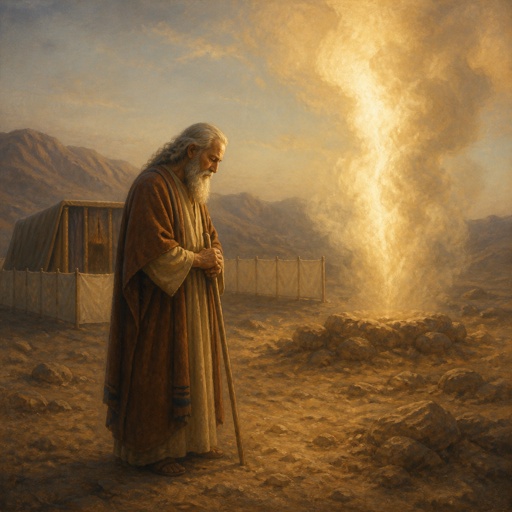
"¶ And the LORD spake unto Moses, saying," - Leviticus 21:16

Leviticus 24:21 - "And he that killeth a beast, he shall restore it: and he that killeth a man, he shall be put to death."