What does Leviticus 21:9 mean?
“And the daughter of any priest, if she profane herself by playing the whore, she profaneth her father: she shall be burnt with fire.” — Leviticus 21:9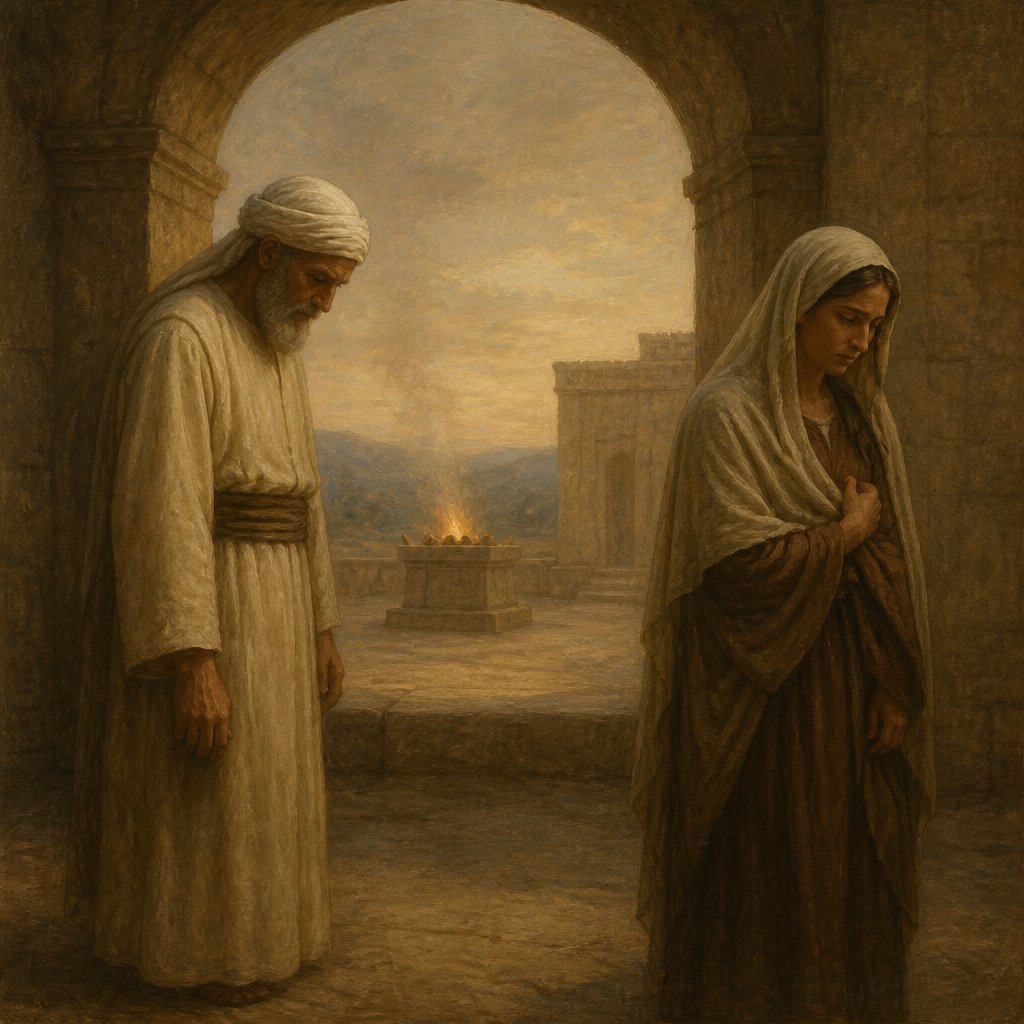
Leviticus 21:9 in the King James Version states, "And the daughter of any priest, if she profane herself by playing the whore, she profaneth her father: she shall be burnt with fire." This verse is part of the laws and regulations laid out for the behavior and conduct of the priests and their families in the book of Leviticus in the Old Testament.
The context of this verse is important to understanding its significance. The book of Leviticus is a part of the Torah, the first five books of the Hebrew Bible, and it primarily deals with the laws and regulations for the Israelites. In particular, Leviticus focuses on the guidelines for worship, sacrifice, and purity, and it also addresses the proper behavior of the priests and their families. The regulations for the priests are particularly strict, as they are expected to uphold a high standard of holiness and set an example for the rest of the Israelites.
In Leviticus 21, the chapter focuses on the qualifications and restrictions for the priests, particularly in terms of who they can marry and what physical blemishes they can have. This verse specifically deals with the consequences for a priest's daughter if she engages in promiscuous behavior. It states that if a priest's daughter "profanes herself by playing the whore," she not only brings shame upon herself but also upon her father and the priesthood as a whole. The severity of the punishment, being burnt with fire, underscores the gravity of the offense and the need to uphold purity and holiness within the priestly family.
The themes present in this verse are numerous and significant. One of the overarching themes in Leviticus as a whole is the concept of holiness and purity. The Israelites are called to be a holy people, set apart for God, and this extends to the priests and their families as well. The verse reflects the importance of maintaining moral purity and upholding the honor of the priesthood. It also emphasizes the idea of personal responsibility and the impact one's actions can have on their family and community. The consequences for the priest's daughter serve as a warning against the potential fallout of sinful behavior and the need for individuals to consider the broader implications of their actions.
The symbolism present in this verse is also worth exploring. The image of being burnt with fire carries a powerful metaphorical weight. Fire is often associated with purification and judgment in the Bible, and in this context, it serves as a symbol of the consequences of defiling oneself and bringing shame upon the priesthood. It also serves as a sobering reminder of the seriousness of sin and the need for atonement. The idea of being consumed by fire underscores the destructive nature of sin and the need to be vigilant in upholding moral purity.
It is important to note that while Leviticus 21:9 reflects the specific regulations for the priests and their families in the ancient Israelite society, its message can still be applied in a broader sense. The call to uphold holiness and purity, the recognition of the impact of one's actions on others, and the warning against the consequences of sinful behavior are all universally relevant themes. Christians may interpret this verse as a reminder of the need to strive for moral purity and the acknowledgment of the potential harm that can come from engaging in sinful behavior.
In conclusion, Leviticus 21:9 carries a weighty message about the importance of upholding purity and responsibility, particularly within the context of the priestly family. Its themes of holiness, personal accountability, and the consequences of sin make it a thought-provoking and impactful verse. While it reflects the specific regulations of the Old Testament, its broader message is still relevant and provides valuable insights for readers today.
Get our apps


Artwork for Leviticus 21:9

Leviticus 21:9 - "¶ And the daughter of any priest, if she profane herself by playing the whore, she profaneth her father: she shall be burnt with fire." respectful, symbolic bible verse art
"¶ And the daughter of any priest, if she profane herself by playing the whore, she profaneth her father: she shall be burnt with fire." - Leviticus 21:9

Leviticus 9:21 - "And the breasts and the right shoulder Aaron waved for a wave offering before the LORD; as Moses commanded."
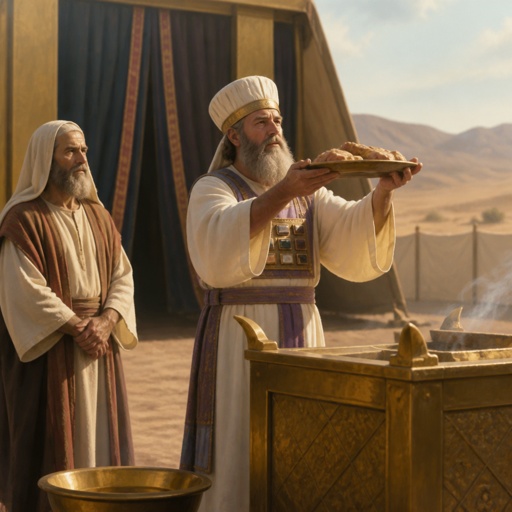
"And the breasts and the right shoulder Aaron waved for a wave offering before the LORD; as Moses commanded." - Leviticus 9:21

Leviticus 23:21

Leviticus 23:21

Leviticus 23:21

Leviticus 23:21

Leviticus 23:21

Leviticus 23:21

Leviticus 21:19 - "Or a man that is brokenfooted, or brokenhanded,"

Leviticus 21:16 - "¶ And the LORD spake unto Moses, saying,"

Leviticus 21:13 - "And he shall take a wife in her virginity."

"Or a man that is brokenfooted, or brokenhanded," - Leviticus 21:19

Leviticus 23:9 - "¶ And the LORD spake unto Moses, saying,"

Leviticus 21:22 - "He shall eat the bread of his God, both of the most holy, and of the holy."

Leviticus 21:24 - "And Moses told it unto Aaron, and to his sons, and unto all the children of Israel."

Leviticus 9:16 - "And he brought the burnt offering, and offered it according to the manner."

Matthew 9:21

Leviticus 21:4 - "But he shall not defile himself, being a chief man among his people, to profane himself."

Leviticus 21:20 - "Or crookbackt, or a dwarf, or that hath a blemish in his eye, or be scurvy, or scabbed, or hath his stones broken;"

Leviticus 9:11 - "And the flesh and the hide he burnt with fire without the camp."

Matthew 9:21-22
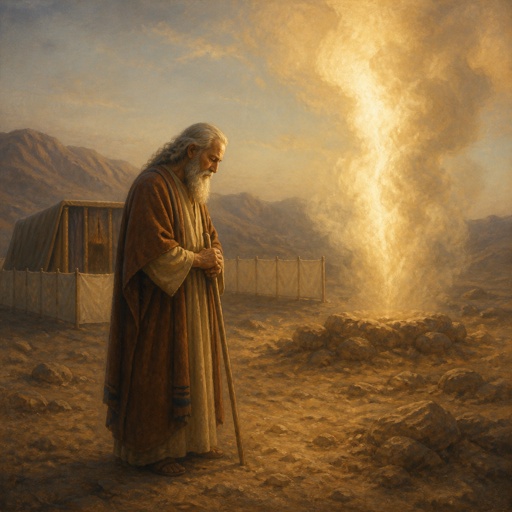
"¶ And the LORD spake unto Moses, saying," - Leviticus 21:16

Matthew 9:21-22

Matthew 9:21-22

Matthew 9:21-22

Matthew 9:21-22

Leviticus 24:21 - "And he that killeth a beast, he shall restore it: and he that killeth a man, he shall be put to death."

Leviticus 21:21 - "No man that hath a blemish of the seed of Aaron the priest shall come nigh to offer the offerings of the LORD made by fire: he hath a blemish; he shall not come nigh to offer the bread of his God."