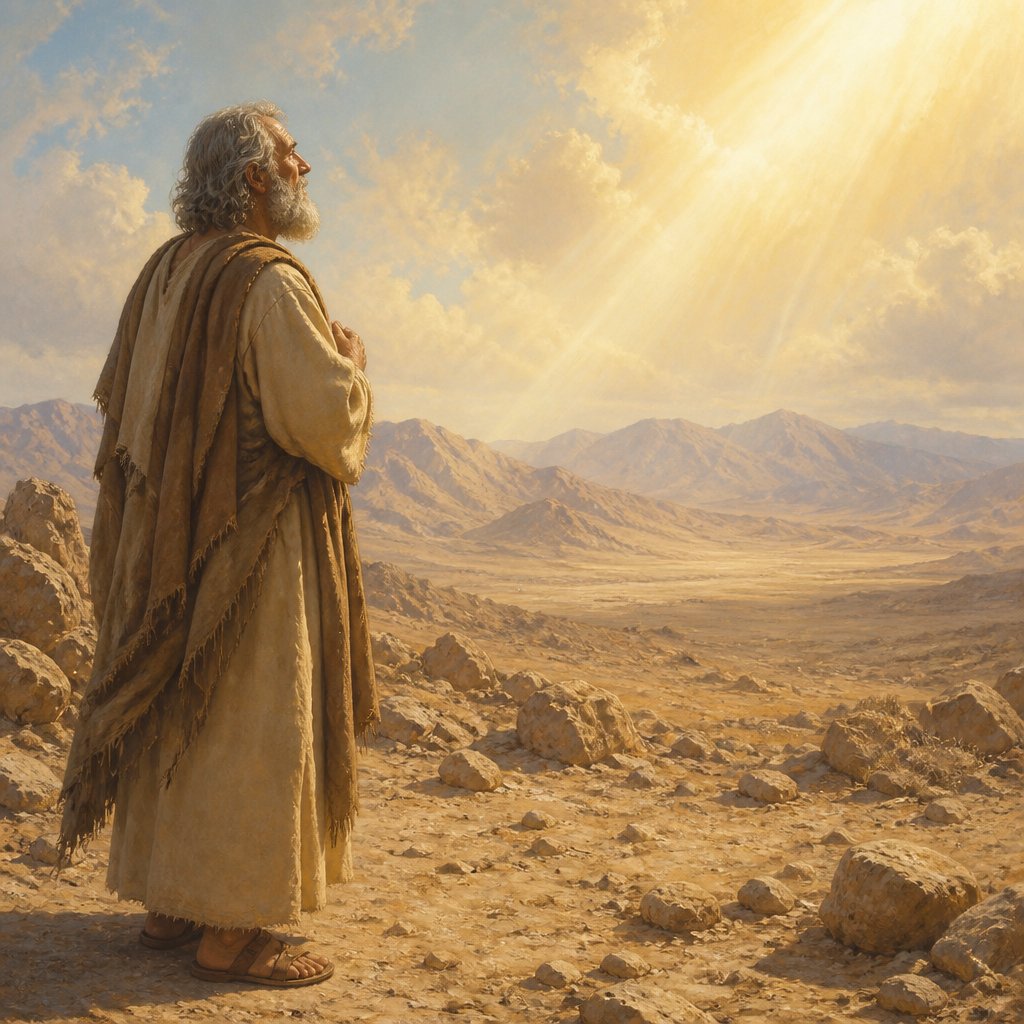
Leviticus 22:1 in the King James Version of the Bible states, "And the Lord spake unto Moses, saying, Speak unto Aaron and to his sons, that they separate themselves from the holy things of the children of Israel, and that they profane not my holy name in those things which they hallow unto me: I am the Lord."
This verse is found in the book of Leviticus, which is the third book of the Old Testament and is part of the Pentateuch, or the first five books of the Bible. Leviticus primarily deals with the laws and regulations for the Israelites, particularly in relation to their worship and religious practices.
In Leviticus 22:1, the Lord instructs Moses to speak to Aaron, who is the high priest, and his sons, who are the priests, regarding their conduct in relation to the holy items of the Israelites. The Lord emphasizes the importance of separating themselves from these holy things so as not to profane His name. This is a reflection of the sacredness and reverence that the Israelites were expected to have towards God and His holiness.
This verse carries several themes that are significant in the context of the book of Leviticus and the broader biblical narrative. One of the key themes is holiness. The Lord instructs the priests to separate themselves from the holy things of the Israelites, emphasizing the sanctity of these items and the need for the priests to uphold their holiness. This theme of holiness is central to the message of Leviticus and underscores the idea that God is holy and His people are called to reflect His holiness in their lives and religious practices.
Another important theme in Leviticus 22:1 is the concept of obedience to God's commands. The Lord specifically commands Moses to instruct Aaron and his sons to adhere to the regulations regarding the holy things of the Israelites. This demonstrates the importance of obedience and adherence to God's laws within the religious framework of the Israelites. It also highlights the role of the priests as the intermediaries between God and the people, responsible for upholding the divine standards of holiness and obedience.
A further theme in this verse is the reverence for God's name. The Lord cautions against profaning His holy name through improper handling of the sacred items. This reflects the belief in the power and sanctity of God's name within the Jewish tradition, as well as the responsibility of the priests to uphold the honor and reverence of the divine name in their actions and conduct.
Symbolism plays a significant role in understanding the deeper meaning of Leviticus 22:1. The holy things of the Israelites represent the sacred objects and offerings that are dedicated to God in the context of religious worship. These items symbolize the devotion and reverence of the Israelites towards God and serve as a tangible expression of their commitment to the divine. By emphasizing the need for the priests to separate themselves from these holy things, the verse symbolizes the purity and distinction required in approaching the divine presence.
In conclusion, Leviticus 22:1 conveys a message of holiness, obedience, and reverence within the religious context of the Israelites. It underscores the sacredness of God's name and the need for the priests to uphold the sanctity of the holy items of the Israelites. This verse serves as a reminder of the expectations and responsibilities placed upon the priests in maintaining the purity and reverence in their service to God. It also emphasizes the significance of holiness and obedience in the worship and religious practices of the Israelites.
Get our apps


Artwork for Leviticus 22:1

Leviticus 22:1 - "And the LORD spake unto Moses, saying,"
"And the LORD spake unto Moses, saying," - Leviticus 22:1

Leviticus 23:15-22

Leviticus 23:17-22
Leviticus 11:22

Leviticus 22:17 - "¶ And the LORD spake unto Moses, saying,"

Leviticus 7:22 - "¶ And the LORD spake unto Moses, saying,"

Leviticus 22:26 - "¶ And the LORD spake unto Moses, saying,"

Leviticus 18:22 - "Thou shalt not lie with mankind, as with womankind: it is abomination."

Leviticus 20:22-26 simple picture

Picture to summarize Leviticus 20:22-26

Leviticus 22:20 - "But whatsoever hath a blemish, that shall ye not offer: for it shall not be acceptable for you."

Leviticus 13:22 - "And if it spread much abroad in the skin, then the priest shall pronounce him unclean: it is a plague."

Leviticus 21:22 - "He shall eat the bread of his God, both of the most holy, and of the holy."

Leviticus 22:33 - "That brought you out of the land of Egypt, to be your God: I am the LORD."

Leviticus 22:29 - "And when ye will offer a sacrifice of thanksgiving unto the LORD, offer it at your own will."

Leviticus 22:15 - "And they shall not profane the holy things of the children of Israel, which they offer unto the LORD;"

Leviticus 22:22 - "Blind, or broken, or maimed, or having a wen, or scurvy, or scabbed, ye shall not offer these unto the LORD, nor make an offering by fire of them upon the altar unto the LORD."

Leviticus 22:19 - "Ye shall offer at your own will a male without blemish, of the beeves, of the sheep, or of the goats."

Leviticus 22:31 - "Therefore shall ye keep my commandments, and do them: I am the LORD."

Leviticus 22:28 - "And whether it be cow or ewe, ye shall not kill it and her young both in one day."

"¶ And the LORD spake unto Moses, saying," - Leviticus 7:22

"¶ And the LORD spake unto Moses, saying," - Leviticus 22:17
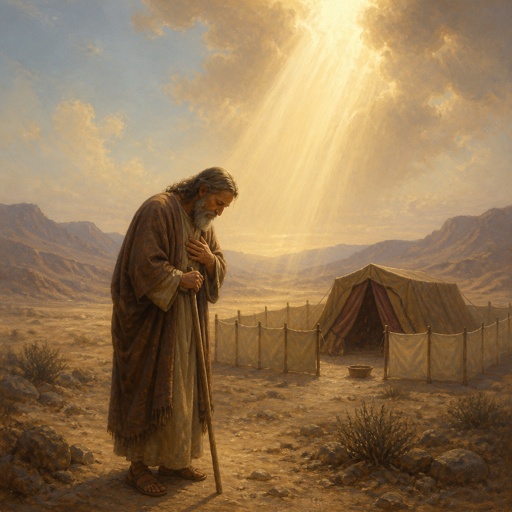
"¶ And the LORD spake unto Moses, saying," - Leviticus 22:26

Leviticus 22:12 - "If the priest's daughter also be married unto a stranger, she may not eat of an offering of the holy things."

Leviticus 22:10 - "There shall no stranger eat of the holy thing: a sojourner of the priest, or an hired servant, shall not eat of the holy thing."

Leviticus 27:22 - "And if a man sanctify unto the LORD a field which he hath bought, which is not of the fields of his possession;"

Leviticus 22:16 - "Or suffer them to bear the iniquity of trespass, when they eat their holy things: for I the LORD do sanctify them."

Leviticus 8:22 - "¶ And he brought the other ram, the ram of consecration: and Aaron and his sons laid their hands upon the head of the ram."

Leviticus 22:30 - "On the same day it shall be eaten up; ye shall leave none of it until the morrow: I am the LORD."