What does Leviticus 22:22 mean?
“Blind, or broken, or maimed, or having a wen, or scurvy, or scabbed, ye shall not offer these unto the LORD, nor make an offering by fire of them upon the altar unto the LORD.” — Leviticus 22:22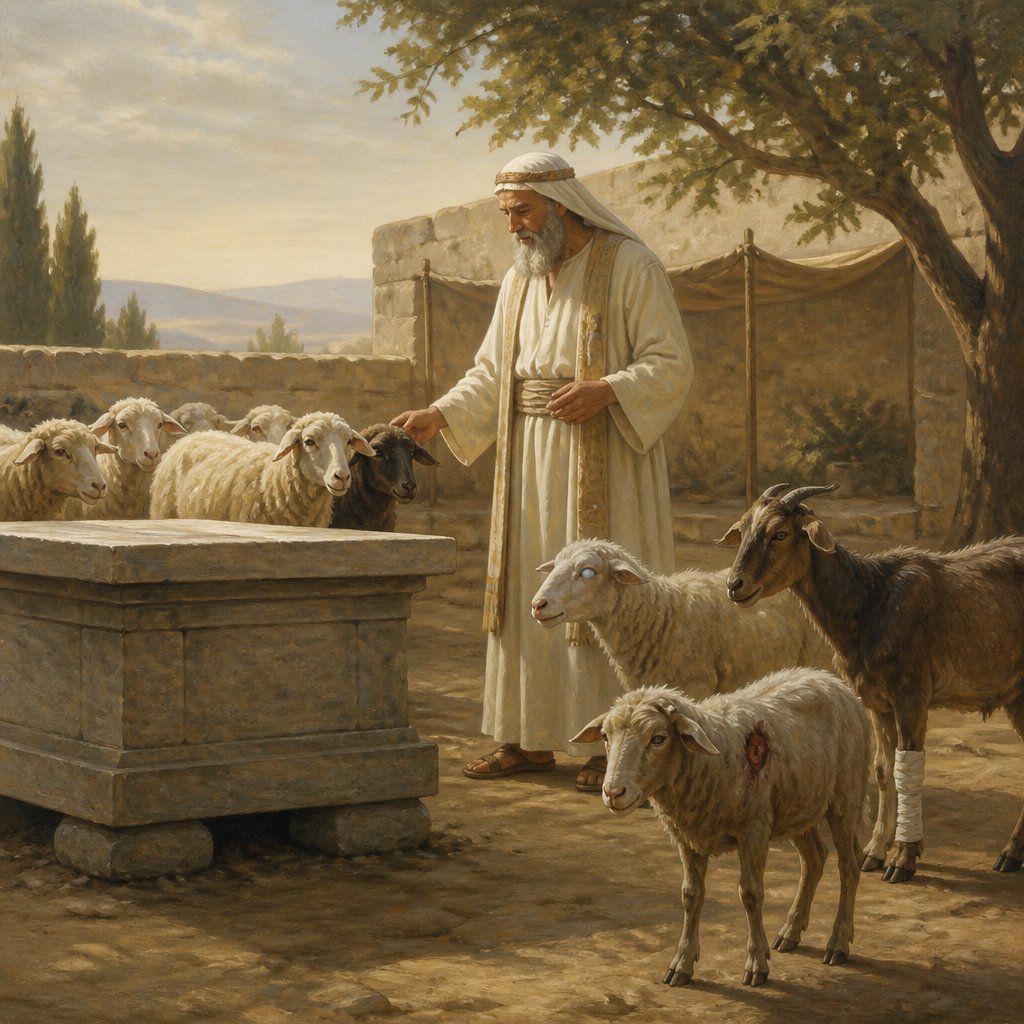
Leviticus 22:22 (KJV) - "Blind, or broken, or maimed, or having a wen, or scurvy, or scabbed, ye shall not offer these unto the Lord, nor make an offering by fire of them upon the altar unto the Lord."
This verse from the book of Leviticus provides guidance on the types of animals that are acceptable as sacrifices to the Lord. The passage lists various physical defects that would disqualify an animal from being offered as a sacrifice. While this verse may seem outdated and irrelevant to modern readers, it holds significant symbolic and spiritual meaning, as well as practical applications for the ancient Israelites.
First, it is important to understand the context in which this verse was written. Leviticus is part of the Torah, the first five books of the Old Testament, and it contains the laws and regulations given to the Israelites by God through Moses. The book of Leviticus specifically focuses on the religious and moral laws that govern the lives of the Israelites, particularly in regards to their worship practices and rituals. The verse in question falls within a section that outlines the requirements for acceptable sacrifices to the Lord.
The theme of this verse centers around the concept of offering the best to God. In ancient Israelite culture, offering sacrifices to the Lord was a central aspect of worship. The animals that were to be sacrificed were meant to be a reflection of the people's devotion and reverence for God. As such, the verse emphasizes the importance of presenting unblemished and perfect animals as offerings. This requirement symbolizes the idea of giving God the best of what one has to offer, rather than giving him the leftovers or the defective.
Furthermore, the physical defects listed in the verse have symbolic significance. For example, blindness can be seen as a metaphor for spiritual blindness or ignorance. A broken or maimed animal could represent a lack of wholeness or completeness, and therefore, an inadequate representation of a full-hearted offering to God. Similarly, issues such as wen, scurvy, and scabs were considered impurities that rendered an animal unfit for sacrifice. These physical ailments can be interpreted as symbols of the spiritual impurity or contamination that would disqualify an offering from being acceptable to the Lord.
In a broader sense, this verse communicates the idea that God deserves our best, and we are called to honor Him with our wholehearted devotion and unblemished worship. The principle of offering the best to God is also reflected in the teachings of Jesus in the New Testament, where believers are called to give sacrificially and generously.
From a practical standpoint, the regulations outlined in this verse served to maintain the holiness and purity of the Israelite sacrifices. By only allowing unblemished animals to be offered, the ritual of sacrifice was kept free from physical impurities, mirroring the spiritual purity that the Israelites were expected to maintain in their worship.
In conclusion, Leviticus 22:22 may seem obscure and archaic, but it holds profound spiritual and ethical lessons for believers today. It challenges us to examine the quality and sincerity of our offerings to God, urging us to give Him our best in every aspect of our lives. It also reminds us of the importance of maintaining purity and holiness in our worship and devotion. Ultimately, this verse invites us to reflect on our commitment to honoring God with our whole hearts and minds, offering Him the best of ourselves in all things.
Get our apps


Artwork for Leviticus 22:22

Leviticus 22:22 - "Blind, or broken, or maimed, or having a wen, or scurvy, or scabbed, ye shall not offer these unto the LORD, nor make an offering by fire of them upon the altar unto the LORD."
"Blind, or broken, or maimed, or having a wen, or scurvy, or scabbed, ye shall not offer these unto the LORD, nor make an offering by fire of them upon the altar unto the LORD." - Leviticus 22:22
Leviticus 11:22

Leviticus 23:15-22

Leviticus 23:17-22

Leviticus 22:17 - "¶ And the LORD spake unto Moses, saying,"

Leviticus 7:22 - "¶ And the LORD spake unto Moses, saying,"

Leviticus 22:1 - "And the LORD spake unto Moses, saying,"

Leviticus 22:26 - "¶ And the LORD spake unto Moses, saying,"

Leviticus 18:22 - "Thou shalt not lie with mankind, as with womankind: it is abomination."

Leviticus 20:22-26 simple picture

Picture to summarize Leviticus 20:22-26

Leviticus 22:20 - "But whatsoever hath a blemish, that shall ye not offer: for it shall not be acceptable for you."

Leviticus 13:22 - "And if it spread much abroad in the skin, then the priest shall pronounce him unclean: it is a plague."

Leviticus 21:22 - "He shall eat the bread of his God, both of the most holy, and of the holy."

Leviticus 22:33 - "That brought you out of the land of Egypt, to be your God: I am the LORD."

Leviticus 22:29 - "And when ye will offer a sacrifice of thanksgiving unto the LORD, offer it at your own will."

Leviticus 22:15 - "And they shall not profane the holy things of the children of Israel, which they offer unto the LORD;"

Leviticus 22:19 - "Ye shall offer at your own will a male without blemish, of the beeves, of the sheep, or of the goats."

Leviticus 22:31 - "Therefore shall ye keep my commandments, and do them: I am the LORD."

Leviticus 22:28 - "And whether it be cow or ewe, ye shall not kill it and her young both in one day."

Titus 2:2

Acts 2:2

Proverbs 2:2

Jonah 2:2

Titus 2:2

Luke 2:2

Titus 2:2

Titus 2:2

Mark 2:2