What does Leviticus 22:28 mean?
“And whether it be cow or ewe, ye shall not kill it and her young both in one day.” — Leviticus 22:28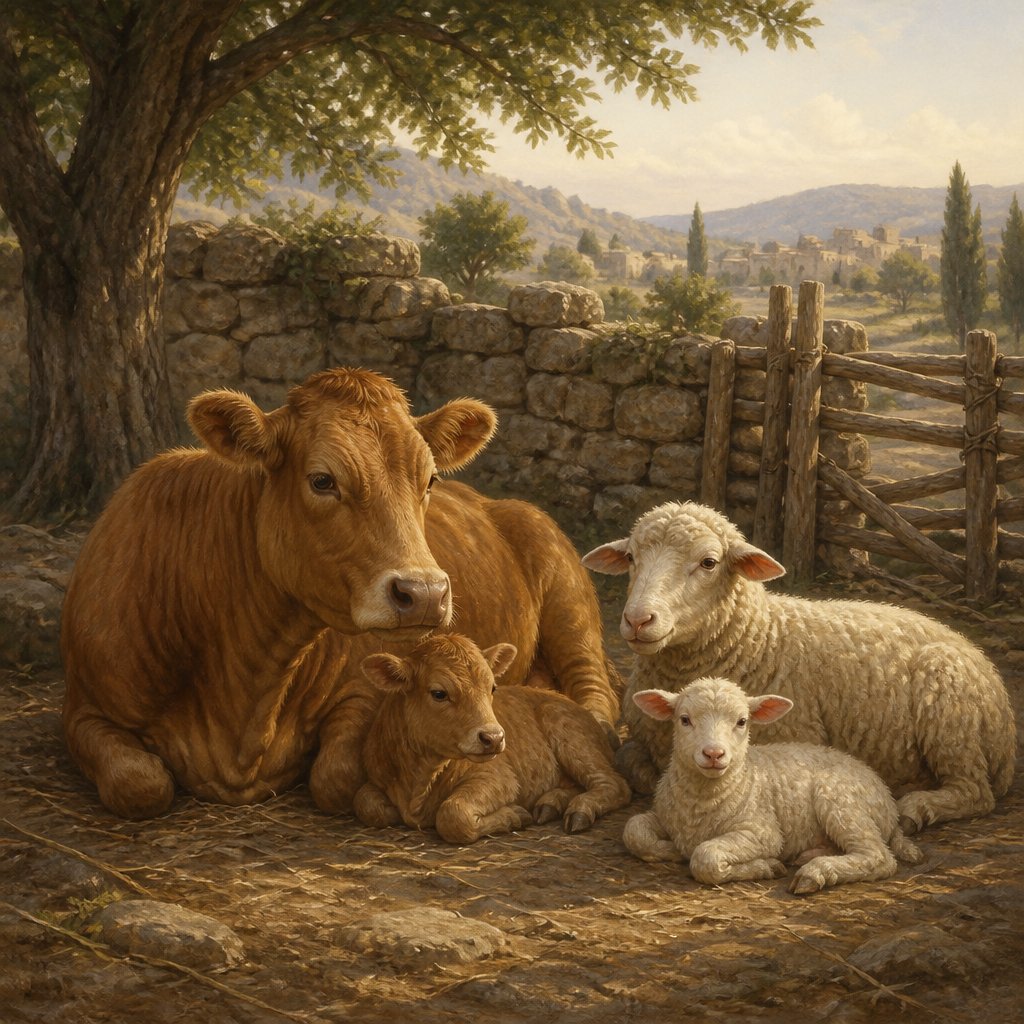
Leviticus 22:28 in the King James Version of the Bible reads, "And whether it be cow or ewe, ye shall not kill it and her young both in one day." This verse is part of the Old Testament book of Leviticus, which contains laws and regulations for the Israelites as they worship and serve God. To fully understand the meaning and significance of this verse, it is important to examine the context, themes, and symbolism within the larger biblical narrative.
The book of Leviticus is primarily concerned with the religious and moral obligations of the Israelites as they approach God in worship and daily life. It provides instructions for the establishment of the priesthood, the offering of sacrifices, and the maintenance of purity and holiness. Leviticus 22 specifically addresses the requirements for proper animal sacrifices and the sanctity of the offerings made to God.
In the broader context of Leviticus 22, the verse in question is part of a passage that outlines the proper way to handle sacrifices and offerings. The emphasis is on the need for reverence and respect in presenting these offerings to God. The verse serves as a reminder to the Israelites that they must avoid unnecessary cruelty to animals, especially when it comes to sacrificing them. It teaches them to be mindful of the mothers and their offspring, emphasizing the importance of compassion and empathy in their treatment of living creatures.
One of the central themes of Leviticus 22:28 is the sanctity of life and the moral responsibility of humans towards the non-human creation. In the broader biblical context, the verse reflects the larger ethical concern for the treatment of animals and the stewardship of the earth. It underscores the idea that all living beings are valued and cared for by God, and that humans have a duty to exercise their dominion over creation with love and wisdom.
Furthermore, the verse serves as a symbol of the interconnectedness of all life and the inherent worth of every living creature. By prohibiting the simultaneous killing of a mother and her young, it communicates a message of protection and preservation of life in its various forms. This principle finds resonance in other biblical teachings on compassion, justice, and mercy, and it carries implications for contemporary ethical debates on animal welfare and environmental stewardship.
Additionally, the verse can be interpreted metaphorically as a reminder of the deeper spiritual truth that underlies the ritual laws of sacrifice. It points to the underlying principle that God desires obedience and righteousness from His people, not just outward observance of religious customs. The prohibition against killing a mother and her young on the same day can be seen as a call to honor the sacred bonds of family and to recognize the interconnectedness of all living beings.
In conclusion, Leviticus 22:28 in the King James Version of the Bible holds profound significance within the context of the Levitical laws and the broader biblical narrative. It conveys timeless moral principles of compassion, respect for life, and the interconnectedness of all creation. As such, it continues to inspire reflection and contemplation on the ethical responsibilities of humans towards the natural world and the divine mandate to uphold the sanctity of life.
Get our apps


Artwork for Leviticus 22:28

Leviticus 22:28 - "And whether it be cow or ewe, ye shall not kill it and her young both in one day."
"And whether it be cow or ewe, ye shall not kill it and her young both in one day." - Leviticus 22:28

Leviticus 7:28 - "¶ And the LORD spake unto Moses, saying,"
Leviticus 11:22

Exodus 22:28

Exodus 22:28

Exodus 22:28

Exodus 22:28

Exodus 22:28

Leviticus 23:15-22

Leviticus 23:17-22

Genesis 28-22

Exodus 22:28

Exodus 22:28

Exodus 22:28

Exodus 22:28

Exodus 22:28

Exodus 22:28

Exodus 22:28

Exodus 22:28

Exodus 22:28

Leviticus 22:17 - "¶ And the LORD spake unto Moses, saying,"

Leviticus 7:22 - "¶ And the LORD spake unto Moses, saying,"

Leviticus 22:1 - "And the LORD spake unto Moses, saying,"

Leviticus 22:26 - "¶ And the LORD spake unto Moses, saying,"

Leviticus 18:22 - "Thou shalt not lie with mankind, as with womankind: it is abomination."

"¶ And the LORD spake unto Moses, saying," - Leviticus 7:28

Leviticus 20:22-26 simple picture

Picture to summarize Leviticus 20:22-26

Jonah 2:2-8 Jonah praying in the belly if the fish - myst be realistic, no skeletons, weird teeth, etc.