What does Leviticus 23:8 mean?
"But ye shall offer an offering made by fire unto the LORD seven days: in the seventh day is an holy convocation: ye shall do no servile work therein." - Leviticus 23:8
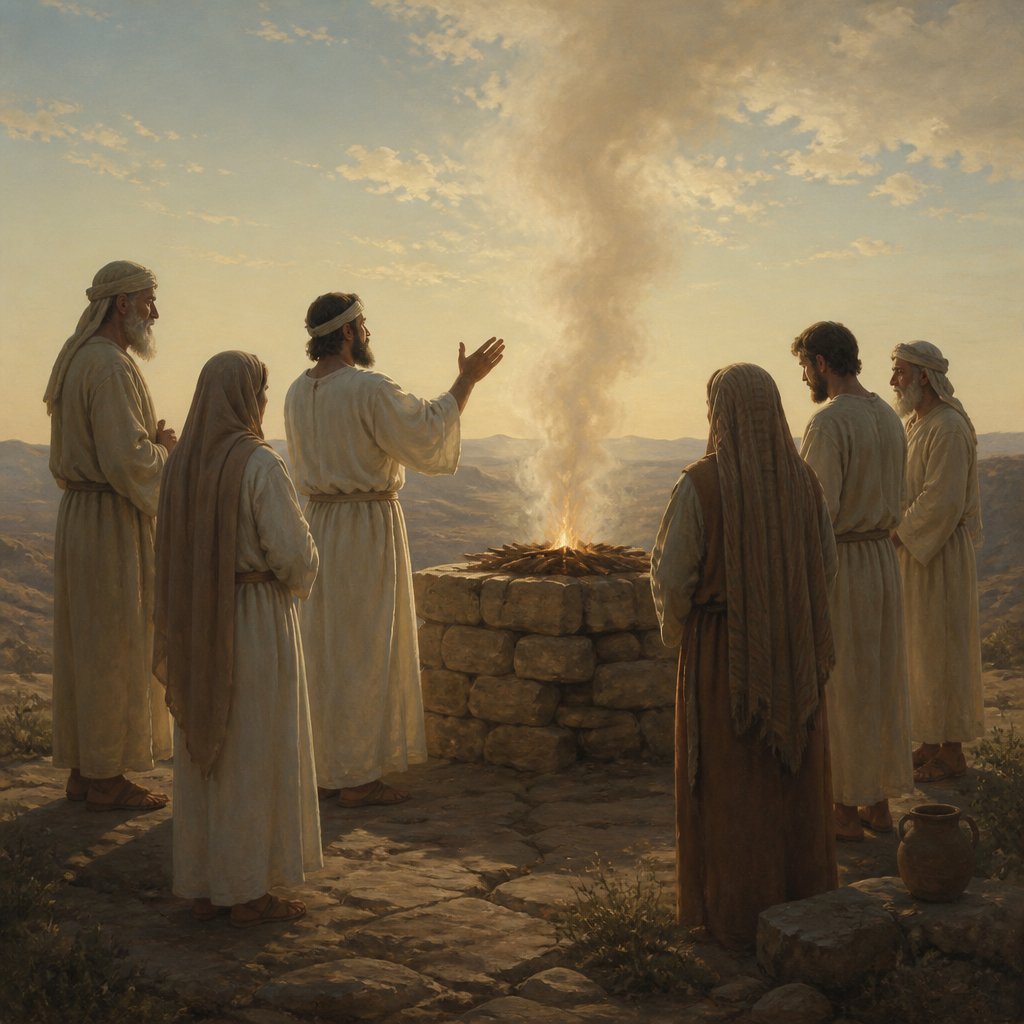
Leviticus 23:8 in the King James Version of the Bible reads, "But ye shall offer an offering made by fire unto the Lord seven days: in the seventh day is an holy convocation: ye shall do no servile work therein."
This verse is part of a larger passage in Leviticus that outlines the various feasts or festivals that the Israelites were to observe. In this particular verse, the focus is on the Feast of Unleavened Bread, which was to be observed for seven days. During these seven days, the Israelites were commanded to offer offerings made by fire unto the Lord. The seventh day of the feast was to be a "holy convocation," a day of rest and worship, during which no servile work was to be done.
To fully understand the meaning and significance of this verse, it's important to consider the historical and cultural context in which it was written. The book of Leviticus is part of the Torah, the first five books of the Bible that are attributed to Moses and are considered to be the foundation of Jewish law and tradition. The laws and regulations detailed in Leviticus were given to the Israelites by God as part of their covenant relationship with Him.
The Feast of Unleavened Bread, which this verse pertains to, was an important festival in the religious calendar of the Israelites. It commemorated the Exodus from Egypt, during which the Israelites were commanded to eat unleavened bread as a sign of their hurried departure from slavery. The festival was a time of celebration and remembrance, emphasizing the faithfulness of God in delivering His people from bondage.
The act of offering offerings made by fire unto the Lord conveys the idea of dedication and consecration. Fire is often used in the Bible as a symbol of God's presence and purification. By offering sacrifices made by fire, the Israelites were demonstrating their devotion and commitment to the Lord. This act of worship was a way for the people to express gratitude for God's faithfulness and provision.
The seventh day of the feast, designated as a "holy convocation," was a time for the community to come together for worship and reflection. It was a day set apart from ordinary work and activities, signifying the sacredness of the occasion. This emphasis on rest and worship echoes the commandment to observe the Sabbath day and keep it holy (Exodus 20:8-11).
The prohibition against doing servile work on the seventh day of the feast underscored the importance of prioritizing spiritual matters over worldly concerns. It was a reminder to the Israelites that their ultimate allegiance was to God, and that their dependence on Him should take precedence over their daily responsibilities.
In a broader theological context, this verse points to the need for regular times of worship and rest in the life of believers. It highlights the significance of setting aside dedicated periods for spiritual renewal and communal worship. It also emphasizes the idea of consecrating all aspects of life to God, not just through religious rituals, but also through the way we conduct ourselves in our daily activities.
Overall, Leviticus 23:8 serves as a reminder of the importance of intentional worship, rest, and consecration in the life of a believer. It reflects God's desire for His people to set aside time for Him, to acknowledge His faithfulness, and to prioritize their relationship with Him above all else. While the specific regulations regarding the Feast of Unleavened Bread may not directly apply to modern-day Christians, the principles of devotion, worship, and consecration found in this verse remain timeless and relevant.
Have questions about Leviticus 23:8?
Dive deeper into this scripture with Bible Chat — an AI-powered tool for exploring God's Word through conversation. Ask questions, get context, and grow in your understanding of the Bible.
Get Our Apps


Leviticus 23:8 Artwork

Leviticus 23:8 - "But ye shall offer an offering made by fire unto the LORD seven days: in the seventh day is an holy convocation: ye shall do no servile work therein."
"But ye shall offer an offering made by fire unto the LORD seven days: in the seventh day is an holy convocation: ye shall do no servile work therein." - Leviticus 23:8

Leviticus 8:23 - "And he slew it; and Moses took of the blood of it, and put it upon the tip of Aaron's right ear, and upon the thumb of his right hand, and upon the great toe of his right foot."

Leviticus 23:23 - "¶ And the LORD spake unto Moses, saying,"

Leviticus 23:21

Leviticus 23:21

Leviticus 23:21

Leviticus 23:21

Leviticus 23:21

Leviticus 23:20

Leviticus 23:21

Leviticus 23:15-22

Leviticus 23:17-22

Leviticus 24:20-23

"¶ And the LORD spake unto Moses, saying," - Leviticus 23:23
Leviticus 23:9 - "¶ And the LORD spake unto Moses, saying,"

Leviticus 23:1 - "And the LORD spake unto Moses, saying,"

Leviticus 23:26 - "¶ And the LORD spake unto Moses, saying,"

Leviticus 23:33 - "¶ And the LORD spake unto Moses, saying,"

Leviticus 16:8

Leviticus 23:5 - "In the fourteenth day of the first month at even is the LORD'S passover."

Leviticus 23:44 - "And Moses declared unto the children of Israel the feasts of the LORD."

Leviticus 8:30

Leviticus 26:23 - "And if ye will not be reformed by me by these things, but will walk contrary unto me;"

the jewish holidays mentioned in leviticus 23:1 until 23:40 combined in one picture,
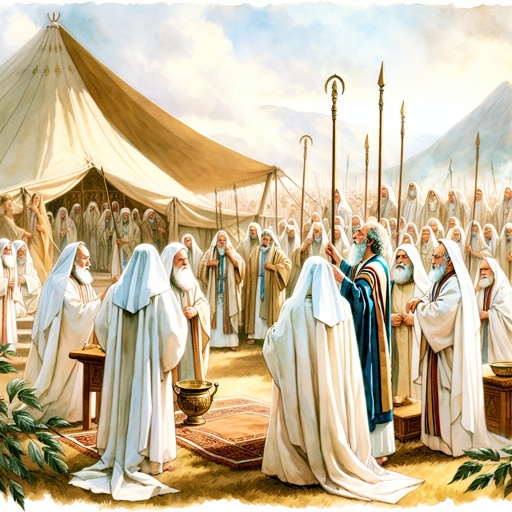
Leviticus 8:1-12

Leviticus 8:8 - "And he put the breastplate upon him: also he put in the breastplate the Urim and the Thummim."

Leviticus 6:23 - "For every meat offering for the priest shall be wholly burnt: it shall not be eaten."

Leviticus 23:4 - "¶ These are the feasts of the LORD, even holy convocations, which ye shall proclaim in their seasons."

Leviticus 25:23 - "¶ The land shall not be sold for ever: for the land is mine; for ye are strangers and sojourners with me."