What does Leviticus 23:11 mean?
“And he shall wave the sheaf before the LORD, to be accepted for you: on the morrow after the sabbath the priest shall wave it.” — Leviticus 23:11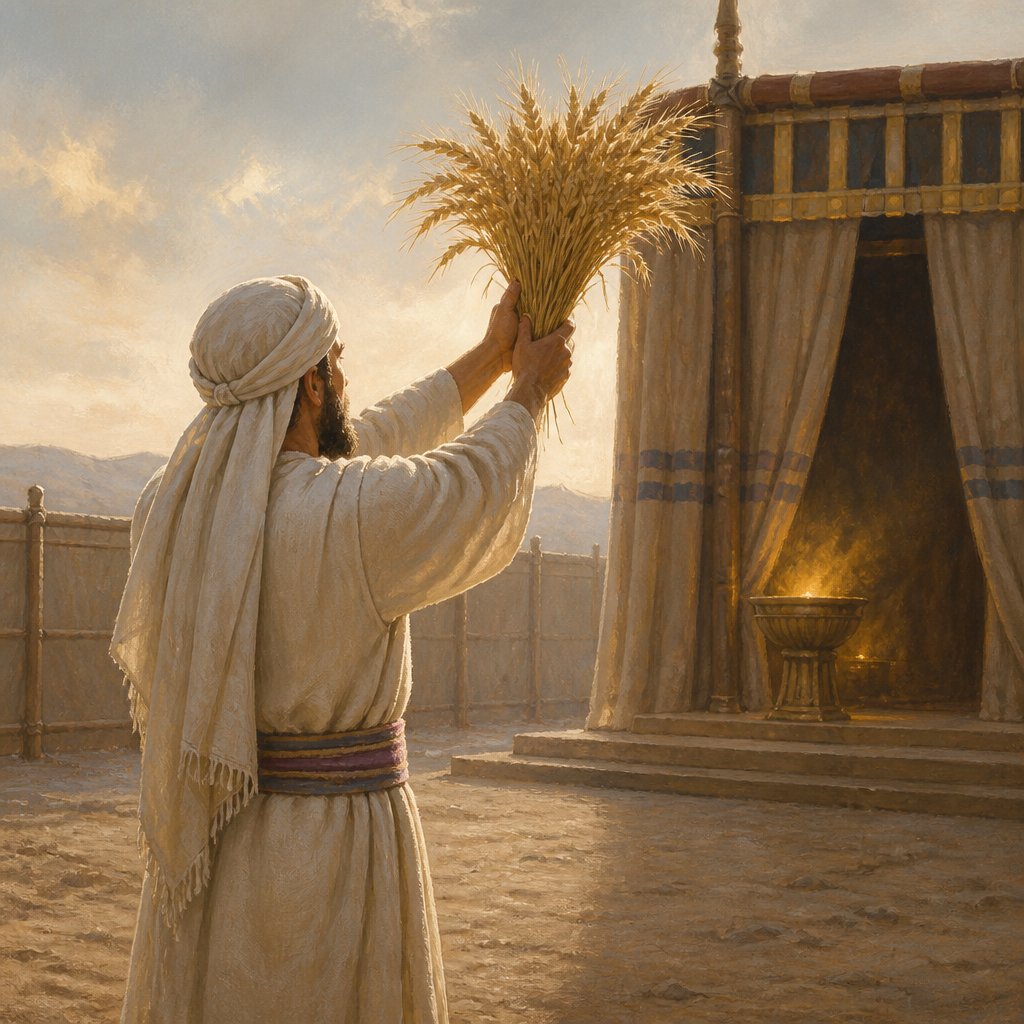
Leviticus 23:11 in the King James Version of the Bible states: "And he shall wave the sheaf before the LORD, to be accepted for you: on the morrow after the sabbath the priest shall wave it."
This verse is part of a larger passage in Leviticus 23 that details the various feasts and holy days that the Israelites were to observe. Specifically, this verse refers to the offering of the firstfruits, which took place during the Feast of Firstfruits. The sheaf mentioned in the verse is a bundle of the first stalks of grain harvested, which is waved before the Lord as an offering.
The significance of this offering lies in its representation of the Israelites' dependence on God for their sustenance. By offering the firstfruits of their labor, they acknowledged that it was God who provided for them and that they were grateful for His provision. This act of offering also served as a way for the Israelites to demonstrate their trust in God, believing that He would continue to provide for them in the coming harvest.
In a broader context, this verse can be seen as a reminder of the importance of gratitude and trust in God. The act of offering the firstfruits was not simply a ritualistic tradition, but a tangible expression of the Israelites' faith and reliance on God. This theme of gratitude and trust is echoed throughout the Bible, reminding believers of the importance of acknowledging God's provision and trusting in His faithfulness.
Additionally, the waving of the sheaf before the Lord symbolizes a consecration of the harvest to God. By presenting the firstfruits to Him, the Israelites were acknowledging that the entire harvest belonged to Him and that they were stewards of what He had provided. This act of consecration is a reminder of the need for believers to view all aspects of their lives as belonging to God and to seek His guidance in their stewardship of His blessings.
The timing of the offering, "on the morrow after the sabbath," holds significance as well. This specific timing was meant to coincide with the Feast of Firstfruits, which was held on the first day of the week following the Sabbath during the Passover season. This timing was intentional, as it represents the resurrection of Jesus Christ, who is often referred to as the "firstfruits" of those who have fallen asleep (1 Corinthians 15:20). This connection points to the fulfillment of the Old Testament feasts and rituals in the person of Jesus Christ, whose resurrection marked the beginning of a new covenant between God and humanity.
Overall, Leviticus 23:11 carries significant themes of gratitude, trust, consecration, and fulfillment in Jesus Christ. It serves as a reminder for believers to acknowledge God as the provider of all things, to trust in His faithfulness, to consecrate all aspects of their lives to Him, and to recognize the fulfillment of these Old Testament rituals in the person of Jesus Christ. This verse continues to hold relevance for believers today, serving as a reminder of the timeless principles of faith and devotion to God.
Get our apps


Artwork for Leviticus 23:11

Leviticus 23:11 - "And he shall wave the sheaf before the LORD, to be accepted for you: on the morrow after the sabbath the priest shall wave it."
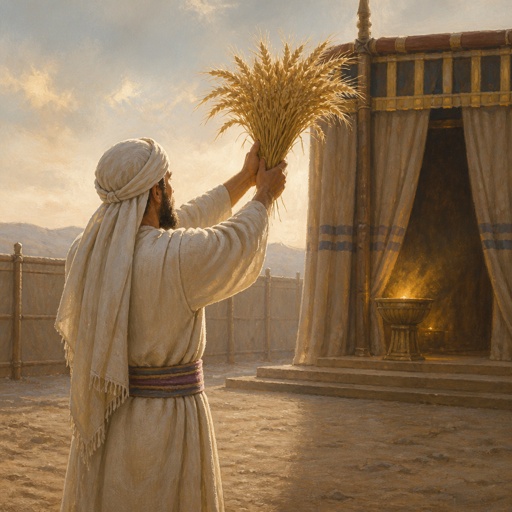
"And he shall wave the sheaf before the LORD, to be accepted for you: on the morrow after the sabbath the priest shall wave it." - Leviticus 23:11

Leviticus 11:23 - "But all other flying creeping things, which have four feet, shall be an abomination unto you."

Leviticus 23:21

Leviticus 23:21

Leviticus 23:23 - "¶ And the LORD spake unto Moses, saying,"

Leviticus 23:21

Leviticus 23:21

Leviticus 23:21

Leviticus 23:20

Leviticus 23:21

Leviticus 23:15-22

Leviticus 23:17-22
"But all other flying creeping things, which have four feet, shall be an abomination unto you." - Leviticus 11:23

Leviticus 24:20-23

"¶ And the LORD spake unto Moses, saying," - Leviticus 23:23

Leviticus 23:9 - "¶ And the LORD spake unto Moses, saying,"

Leviticus 23:26 - "¶ And the LORD spake unto Moses, saying,"

Leviticus 23:1 - "And the LORD spake unto Moses, saying,"

Leviticus 23:33 - "¶ And the LORD spake unto Moses, saying,"
Leviticus 11:22

Leviticus 23:5 - "In the fourteenth day of the first month at even is the LORD'S passover."

Leviticus 23:44 - "And Moses declared unto the children of Israel the feasts of the LORD."

Leviticus 26:23 - "And if ye will not be reformed by me by these things, but will walk contrary unto me;"
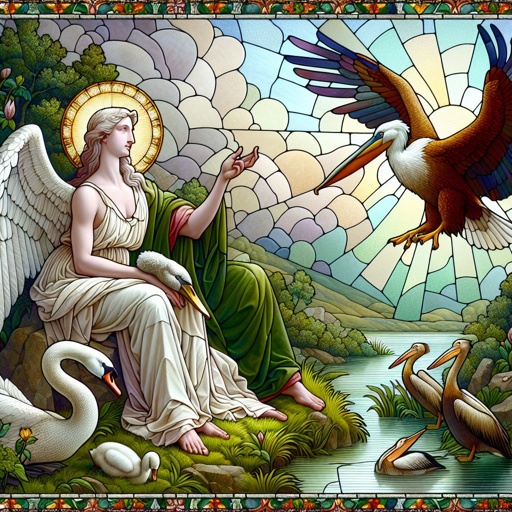
Leviticus 11:18 - "And the swan, and the pelican, and the gier eagle,"

the jewish holidays mentioned in leviticus 23:1 until 23:40 combined in one picture,

Leviticus 6:23 - "For every meat offering for the priest shall be wholly burnt: it shall not be eaten."

Leviticus 11:17 - "And the little owl, and the cormorant, and the great owl,"

Leviticus 11:14 - "And the vulture, and the kite after his kind;"

Leviticus 11:15 - "Every raven after his kind;"