What does Leviticus 23:2 mean?
"Speak unto the children of Israel, and say unto them, Concerning the feasts of the LORD, which ye shall proclaim to be holy convocations, even these are my feasts." - Leviticus 23:2
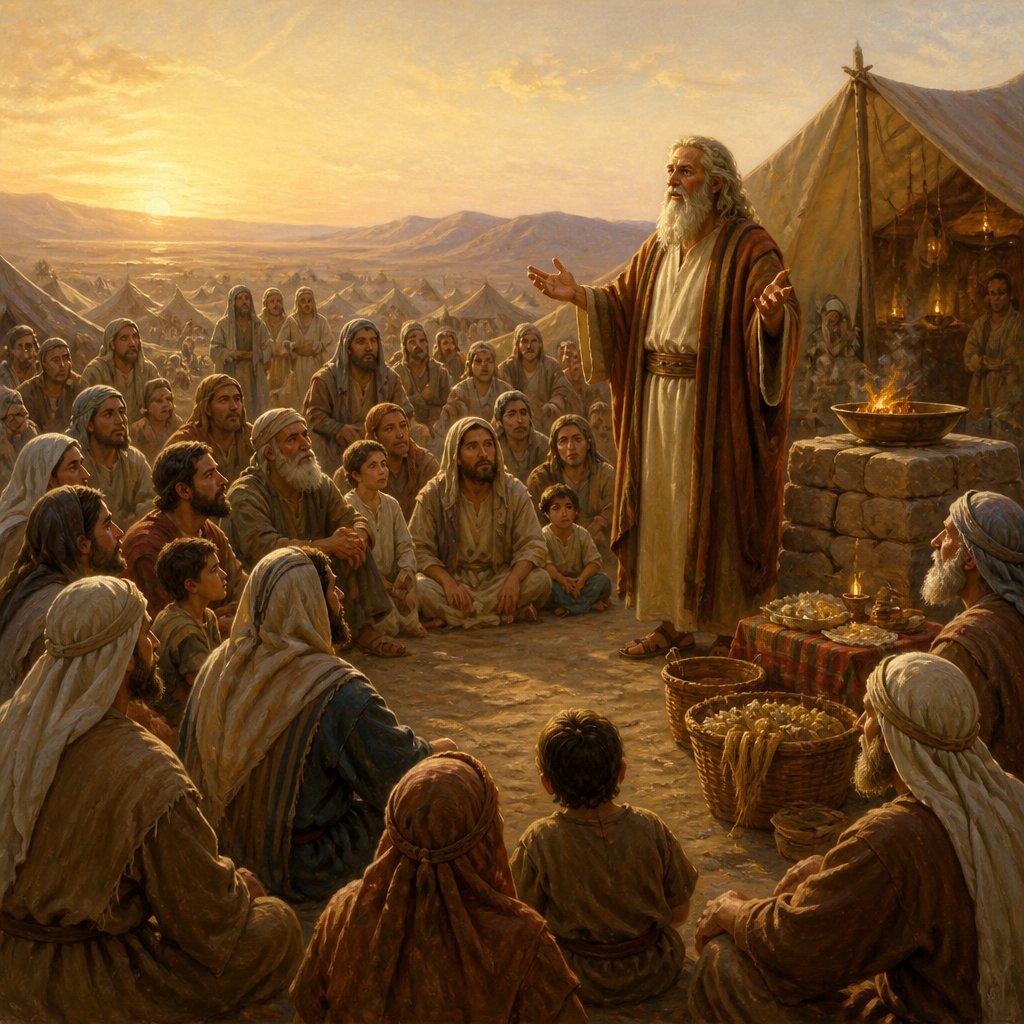
Leviticus 23:2 (KJV) states, "Speak unto the children of Israel, and say unto them, Concerning the feasts of the Lord, which ye shall proclaim to be holy convocations, even these are my feasts." This verse is a directive from God to Moses, instructing him to communicate to the Israelites the importance of observing the designated feasts as holy convocations. This verse sets the stage for the key themes of obedience, faith, and God's sovereignty, as well as the context and symbolism of the feasts of the Lord.
The primary theme in Leviticus 23:2 is obedience. The Israelites are commanded to speak and proclaim the feasts of the Lord as holy convocations. This directive is a call for the people to obey God's instructions and regulations regarding the observance of these feasts. Obedience to God's commands is a recurring theme throughout the Bible, and it reflects the Israelites' expression of their faith and trust in God's guidance and authority. By obeying God's instructions, the Israelites demonstrate their commitment to honoring and worshiping Him.
Another significant theme in this verse is the demonstration of faith. The feasts of the Lord, outlined in Leviticus 23, were an integral part of Israelite worship and faith practices. These feasts served as opportunities for the people to come together in unity, to worship and honor God, to celebrate His faithfulness, and to seek His guidance and provision. By observing these feasts as holy convocations, the Israelites expressed their faith in God and their dependence on Him for all aspects of their lives. Their faithfulness in adhering to God's appointed times for these feasts was a demonstration of their commitment to their relationship with God.
Furthermore, Leviticus 23:2 highlights the sovereignty of God. The feasts of the Lord are referred to as "my feasts," emphasizing that these observances are established by God Himself. The designation of these feasts as holy convocations reflects God's authority and ownership over these special times of worship. The Israelites were called to recognize and honor God's sovereignty by participating in these prescribed feasts, thus acknowledging His supreme rule over their lives and over the entire nation of Israel.
In terms of the context of this verse, it is situated within the larger framework of the book of Leviticus, which outlines the laws and regulations governing the religious practices and rituals of the Israelites. Leviticus 23 specifically details the appointed feasts of the Lord, including the Sabbath, the Passover, the Feast of Unleavened Bread, the Feast of Firstfruits, the Feast of Weeks, the Feast of Trumpets, the Day of Atonement, and the Feast of Tabernacles. Each of these feasts held unique significance in the religious calendar of Israel, and they were intended to deepen the people's relationship with God through worship, remembrance, and devotion.
Symbolically, the feasts of the Lord in Leviticus 23 foreshadow the redemptive work of Christ and serve as a prophetic representation of God's ultimate plan for salvation. For example, the Passover, with its sacrificial lamb, prefigures the atoning sacrifice of Jesus on the cross, while the Feast of Firstfruits signifies the resurrection of Christ and the promise of new life in Him. As such, these feasts offer a glimpse into the spiritual truths and realities that would find their fulfillment in the person and work of Jesus Christ.
In conclusion, Leviticus 23:2 carries profound significance in its themes, context, and symbolism. It underscores the importance of obedience, faith, and the sovereignty of God in the observance of the feasts of the Lord. These feasts served as a central means for the Israelites to express their devotion to God, to align themselves with His will, and to anticipate the fulfillment of His redemptive plan through the coming of Christ. As a result, Leviticus 23:2 continues to offer profound insights and spiritual truths for believers today, highlighting the enduring principles of obedience, faith, and the overarching sovereignty of God in the lives of His people.
Have questions about Leviticus 23:2?
Dive deeper into this scripture with Bible Chat — an AI-powered tool for exploring God's Word through conversation. Ask questions, get context, and grow in your understanding of the Bible.
Get Our Apps


Leviticus 23:2 Artwork

Leviticus 23:2 - "Speak unto the children of Israel, and say unto them, Concerning the feasts of the LORD, which ye shall proclaim to be holy convocations, even these are my feasts."
"Speak unto the children of Israel, and say unto them, Concerning the feasts of the LORD, which ye shall proclaim to be holy convocations, even these are my feasts." - Leviticus 23:2

Leviticus 23:23 - "¶ And the LORD spake unto Moses, saying,"

Leviticus 23:21

Leviticus 23:21

Leviticus 23:21

Leviticus 23:21

Leviticus 23:21

Leviticus 23:20

Leviticus 23:21

Leviticus 23:15-22

Leviticus 23:17-22

Leviticus 24:20-23

"¶ And the LORD spake unto Moses, saying," - Leviticus 23:23
Leviticus 23:9 - "¶ And the LORD spake unto Moses, saying,"

Leviticus 23:26 - "¶ And the LORD spake unto Moses, saying,"

Leviticus 23:1 - "And the LORD spake unto Moses, saying,"

Leviticus 23:33 - "¶ And the LORD spake unto Moses, saying,"

Leviticus 23:5 - "In the fourteenth day of the first month at even is the LORD'S passover."

Leviticus 23:44 - "And Moses declared unto the children of Israel the feasts of the LORD."

Leviticus 26:23 - "And if ye will not be reformed by me by these things, but will walk contrary unto me;"

the jewish holidays mentioned in leviticus 23:1 until 23:40 combined in one picture,

Leviticus 6:23 - "For every meat offering for the priest shall be wholly burnt: it shall not be eaten."

Leviticus 23:4 - "¶ These are the feasts of the LORD, even holy convocations, which ye shall proclaim in their seasons."

Leviticus 25:23 - "¶ The land shall not be sold for ever: for the land is mine; for ye are strangers and sojourners with me."

Leviticus 23:35 - "On the first day shall be an holy convocation: ye shall do no servile work therein."

the jewish holidays mentioned in leviticus 23:1 until 23:40 combined in one picture, with hebrew names in hebrew charactes

"¶ And the LORD spake unto Moses, saying," - Leviticus 23:9

"¶ And the LORD spake unto Moses, saying," - Leviticus 23:33

Leviticus 23:42 - "Ye shall dwell in booths seven days; all that are Israelites born shall dwell in booths:"