What does Leviticus 23:20 mean?
“And the priest shall wave them with the bread of the firstfruits for a wave offering before the LORD, with the two lambs: they shall be holy to the LORD for the priest.” — Leviticus 23:20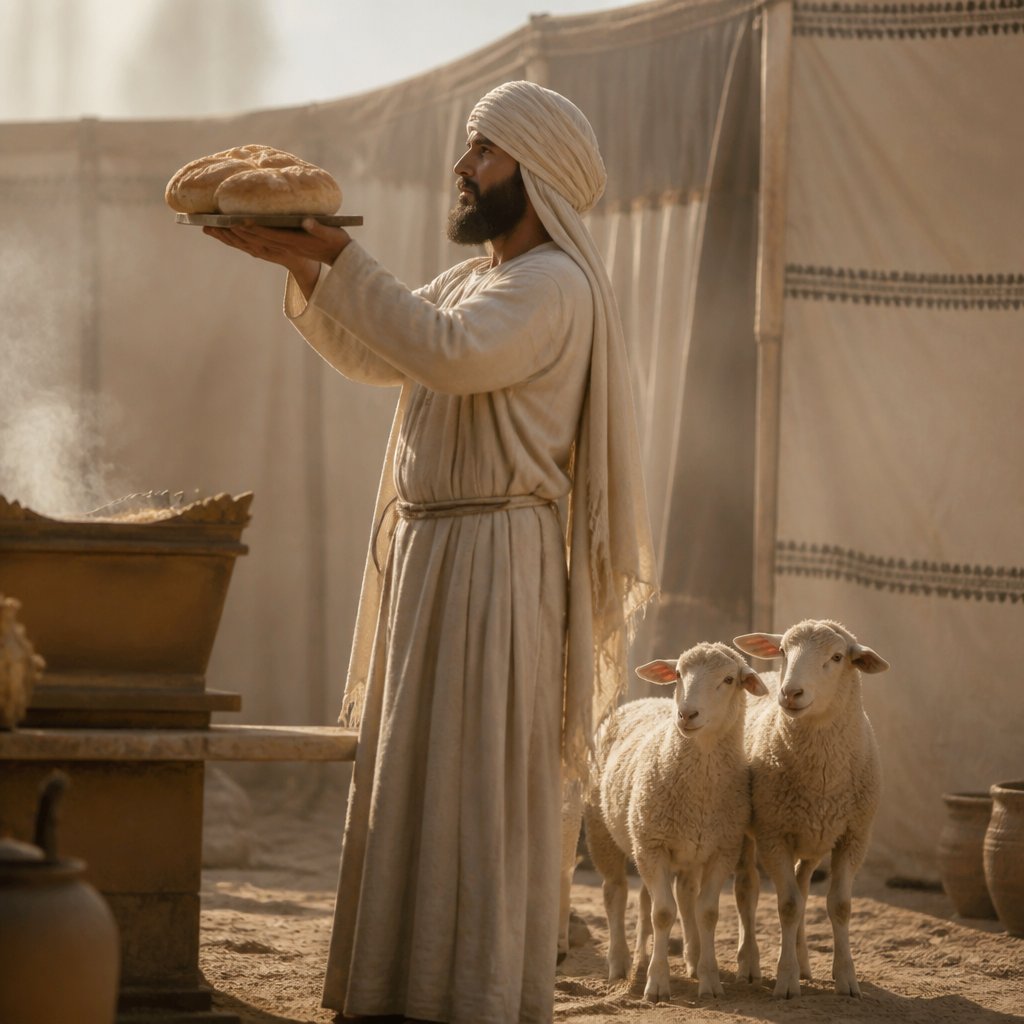
Leviticus 23:20 (KJV) reads: "And the priest shall wave them with the bread of the firstfruits for a wave offering before the Lord, with the two lambs: they shall be holy to the Lord for the priest."
This verse is a part of the Book of Leviticus, which is the third book of the Hebrew Bible and the Old Testament. It is named after the Levites, the priestly tribe of ancient Israel, and it contains a comprehensive list of laws and regulations for the Israelites, particularly focusing on their religious and moral obligations. Leviticus 23 specifically details the various appointed feasts and holy convocations that the Israelites were to observe.
In Leviticus 23:20, the imagery of the priest waving the bread of the firstfruits, along with two lambs, as a wave offering before the Lord, is rich with symbolism and significance. This act is a part of the observance of the Feast of Weeks, also known as Pentecost, which was one of the appointed feasts of the Israelites. This particular feast was a celebration of the wheat harvest and the offering of the firstfruits to God.
The waving of the bread of the firstfruits and the two lambs symbolizes the consecration and dedication of the first and best of the harvest to the Lord. The act of waving suggests a lifting up and presenting of these offerings to God, acknowledging His provision and sovereignty over the land and the people. This act was a demonstration of gratitude, dependence, and devotion to God, recognizing His role as the ultimate provider and sustainer of life.
The designation of these offerings as "holy to the Lord for the priest" emphasizes the sacredness and set-apart nature of these offerings. They were not to be treated as common or profane, but rather as special and reserved for the service of God. This underscores the importance of giving God the first and best of what we have, and it reflects the principle of stewardship and generosity in the context of worship and communal life.
One of the key themes present in this verse is the concept of gratitude and thanksgiving. By offering the firstfruits and the two lambs to God, the Israelites were expressing their gratitude for His faithfulness and provision. This act of thanksgiving was not just a ritual or a formality; it was a genuine expression of the heart, a recognition of God's goodness and a response of praise and worship.
Another important theme is the idea of stewardship and obedience. The Israelites were instructed to observe the appointed feasts and offer the specified sacrifices as a part of their covenantal relationship with God. This act of obedience demonstrated their willingness to submit to God's commands and to honor Him as the rightful authority over their lives. It also taught them the importance of stewarding the resources and blessings that God had given them.
In a broader sense, this verse points to the larger biblical themes of sacrificial atonement and redemption. The waving of the offerings, along with the role of the priest as an intermediary, prefigures the ultimate sacrifice of Jesus Christ on the cross. The two lambs foreshadow the perfect and unblemished sacrifice of Christ, who was offered as a ransom for the sins of humanity. The waving of the bread of the firstfruits also points to the resurrection of Christ as the firstfruits of those who have fallen asleep (1 Corinthians 15:20), signifying new life and hope through His victory over death.
In conclusion, Leviticus 23:20 is a verse that is rich in symbolism, offering powerful insights into the themes of gratitude, obedience, and sacrificial atonement. It serves as a reminder of the importance of acknowledging God's provision, honoring Him with our resources, and ultimately pointing to the redemptive work of Jesus Christ. As we reflect on this verse, may we be inspired to cultivate hearts of thanksgiving, obedient stewardship, and a deep appreciation for the ultimate sacrifice of Jesus on our behalf.
Get our apps


Artwork for Leviticus 23:20

Leviticus 23:20

Leviticus 23:20 - "And the priest shall wave them with the bread of the firstfruits for a wave offering before the LORD, with the two lambs: they shall be holy to the LORD for the priest."
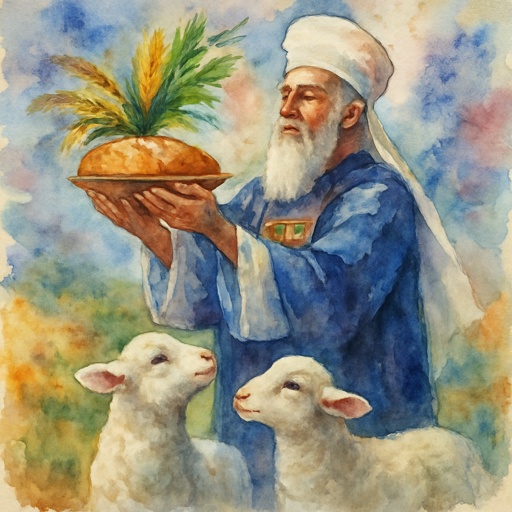
Leviticus 23:20 KJV And the priest shall wave them with the bread of the firstfruits for a wave offering before the LORD, with the two lambs: they shall be holy to the LORD for the priest.

Leviticus 23:20 KJV And the priest shall wave them with the bread of the firstfruits for a wave offering before the LORD, with the two lambs: they shall be holy to the LORD for the priest.

Leviticus 23:20 KJV And the priest shall wave them with the bread of the firstfruits for a wave offering before the LORD, with the two lambs: they shall be holy to the LORD for the priest.
"And the priest shall wave them with the bread of the firstfruits for a wave offering before the LORD, with the two lambs: they shall be holy to the LORD for the priest." - Leviticus 23:20
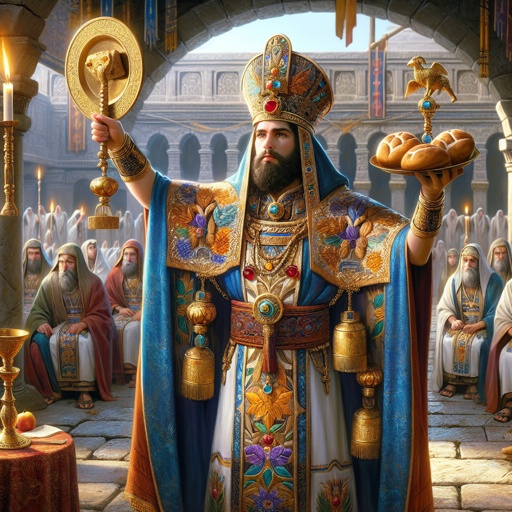
Leviticus 23:20 A hyper-detailed, photorealistic depiction of the High Priest of Israel performing the Feast of Weeks (Pentecost) wave offering. The High Priest is dressed in the complete set of holy vestments: a blue robe with golden bells and pomegranates on the hem, a colorful ephod, and a breastplate with twelve jewels. A golden plate engraved 'HOLINESS TO THE LORD' is tied to his linen mitre. He stands in the Tabernacle courtyard, facing the altar, holding the two leavened loaves of firstfruits and two male lambs high, performing the sacred wave offering ritual. Golden morning light, historically accurate setting, cinematic oil painting style.

Leviticus 24:20-23

Leviticus 20:23 - "And ye shall not walk in the manners of the nation, which I cast out before you: for they committed all these things, and therefore I abhorred them."

Leviticus 23:23 - "¶ And the LORD spake unto Moses, saying,"

Leviticus 23:21

Leviticus 23:21

Leviticus 23:21

Leviticus 23:21

Leviticus 23:21

Leviticus 23:21

Leviticus 23:15-22

Leviticus 23:17-22

"¶ And the LORD spake unto Moses, saying," - Leviticus 23:23

Leviticus 23:26 - "¶ And the LORD spake unto Moses, saying,"

Leviticus 23:1 - "And the LORD spake unto Moses, saying,"

Leviticus 23:33 - "¶ And the LORD spake unto Moses, saying,"
Leviticus 23:9 - "¶ And the LORD spake unto Moses, saying,"

Leviticus 20:1 - "And the LORD spake unto Moses, saying,"

Leviticus 10:20 - "And when Moses heard that, he was content."

Leviticus 23:5 - "In the fourteenth day of the first month at even is the LORD'S passover."

Leviticus 23:44 - "And Moses declared unto the children of Israel the feasts of the LORD."
"And ye shall not walk in the manners of the nation, which I cast out before you: for they committed all these things, and therefore I abhorred them." - Leviticus 20:23

Leviticus 26:23 - "And if ye will not be reformed by me by these things, but will walk contrary unto me;"

Exodus 23:20