What does Leviticus 23:28 mean?
“And ye shall do no work in that same day: for it is a day of atonement, to make an atonement for you before the LORD your God.” — Leviticus 23:28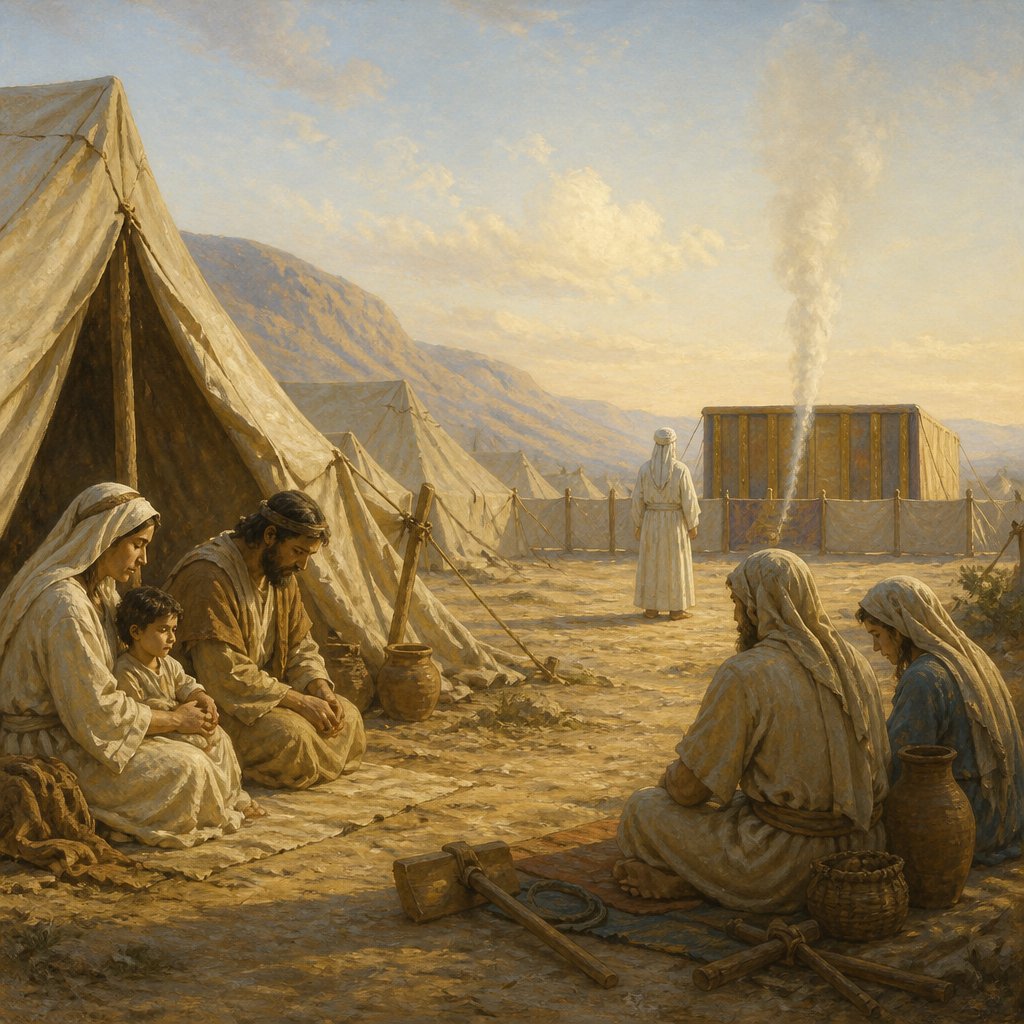
Leviticus 23:28 in the King James Version of the Bible reads: "And ye shall do no work in that same day: for it is a day of atonement, to make an atonement for you before the Lord your God."
This verse comes from the book of Leviticus, which is the third book of the Old Testament and is part of the Torah, the first five books of the Hebrew Bible. Leviticus is primarily concerned with the worship and ritual practices of the Israelites, and this particular verse is part of a larger passage that outlines the regulations for the Day of Atonement, also known as Yom Kippur.
Yom Kippur is considered the most sacred day in the Jewish calendar, and it is a time for repentance and atonement. According to the regulations outlined in Leviticus 23:27-32, the Israelites were commanded to observe a strict day of rest and self-denial on the 10th day of the seventh month. This day was to be set apart for fasting, prayer, and the offering of sacrifices to atone for the sins of the people.
The verse in question, Leviticus 23:28, specifically emphasizes the importance of refraining from work on the Day of Atonement. This command was a tangible way for the Israelites to set aside this day as holy and to focus solely on seeking forgiveness and reconciliation with God. By abstaining from ordinary labor and daily tasks, the Israelites were demonstrating their commitment to the solemn and sacred nature of Yom Kippur.
The concept of atonement, which is central to this verse, carries significant theological and symbolic weight throughout the Bible. Atonement refers to the act of making amends or ameliorating the consequences of sin, and it is a critical theme in both the Old and New Testaments. In the Old Testament, atonement often involved the offering of animal sacrifices as a means of cleansing or purifying the people from their sins. These sacrifices served as a temporary solution, foreshadowing the ultimate atonement that would be provided through the sacrifice of Jesus Christ in the New Testament.
In a broader theological context, Leviticus 23:28 points to the need for reconciliation and restoration between humanity and God. The act of atonement represented in this verse underscores the severity of sin and the separation it creates between individuals and their Creator. By designating a specific day for atonement and commanding the people to abstain from work, God was reinforcing the significance of seeking forgiveness and repairing the relationship between himself and his chosen people.
The symbolism of the Day of Atonement and the associated rituals in Leviticus 23:28 also has deep spiritual and moral implications. In addition to its immediate religious significance for the Israelites, this verse serves as a reminder of the universal need for repentance and reconciliation. It serves as a call to all people to acknowledge their failings and seek forgiveness, as well as a reminder of God's mercy and grace in providing a means of atonement for sin.
Ultimately, Leviticus 23:28 and the broader passage on the Day of Atonement in Leviticus 23 highlight the foundational principles of faith, repentance, and restoration that are integral to the Judeo-Christian tradition. The verse emphasizes the solemnity and sanctity of seeking atonement, and it points to the overarching theme of God's desire to reconcile with humanity and offer a path to forgiveness and redemption. In this way, the verse continues to carry spiritual and moral significance for believers today, serving as a timeless reminder of the imperative of seeking atonement and the hope of reconciliation with God.
Get our apps


Artwork for Leviticus 23:28

Leviticus 23:28 - "And ye shall do no work in that same day: for it is a day of atonement, to make an atonement for you before the LORD your God."
"And ye shall do no work in that same day: for it is a day of atonement, to make an atonement for you before the LORD your God." - Leviticus 23:28

Leviticus 23:23 - "¶ And the LORD spake unto Moses, saying,"

Leviticus 23:21

Leviticus 23:21

Leviticus 23:21

Leviticus 23:21

Leviticus 23:21

Leviticus 23:20

Leviticus 23:21

Leviticus 7:28 - "¶ And the LORD spake unto Moses, saying,"

Exodus 23:28

Leviticus 23:15-22

Leviticus 23:17-22

Leviticus 24:20-23

MATTHEW 28: 23

Matthew 23:28

Exodus 23:28

Matthew 23:28

"¶ And the LORD spake unto Moses, saying," - Leviticus 23:23

Leviticus 23:1 - "And the LORD spake unto Moses, saying,"

Leviticus 23:26 - "¶ And the LORD spake unto Moses, saying,"

Leviticus 23:33 - "¶ And the LORD spake unto Moses, saying,"

Leviticus 23:9 - "¶ And the LORD spake unto Moses, saying,"

Exodus 23:27-28

Exodus 23:28-29

Leviticus 23:5 - "In the fourteenth day of the first month at even is the LORD'S passover."

Leviticus 23:44 - "And Moses declared unto the children of Israel the feasts of the LORD."

2 Samuel 23:28 - "Zalmon the Ahohite, Maharai the Netophathite,"

Leviticus 22:28 - "And whether it be cow or ewe, ye shall not kill it and her young both in one day."