What does Leviticus 23:29 mean?
“For whatsoever soul it be that shall not be afflicted in that same day, he shall be cut off from among his people.” — Leviticus 23:29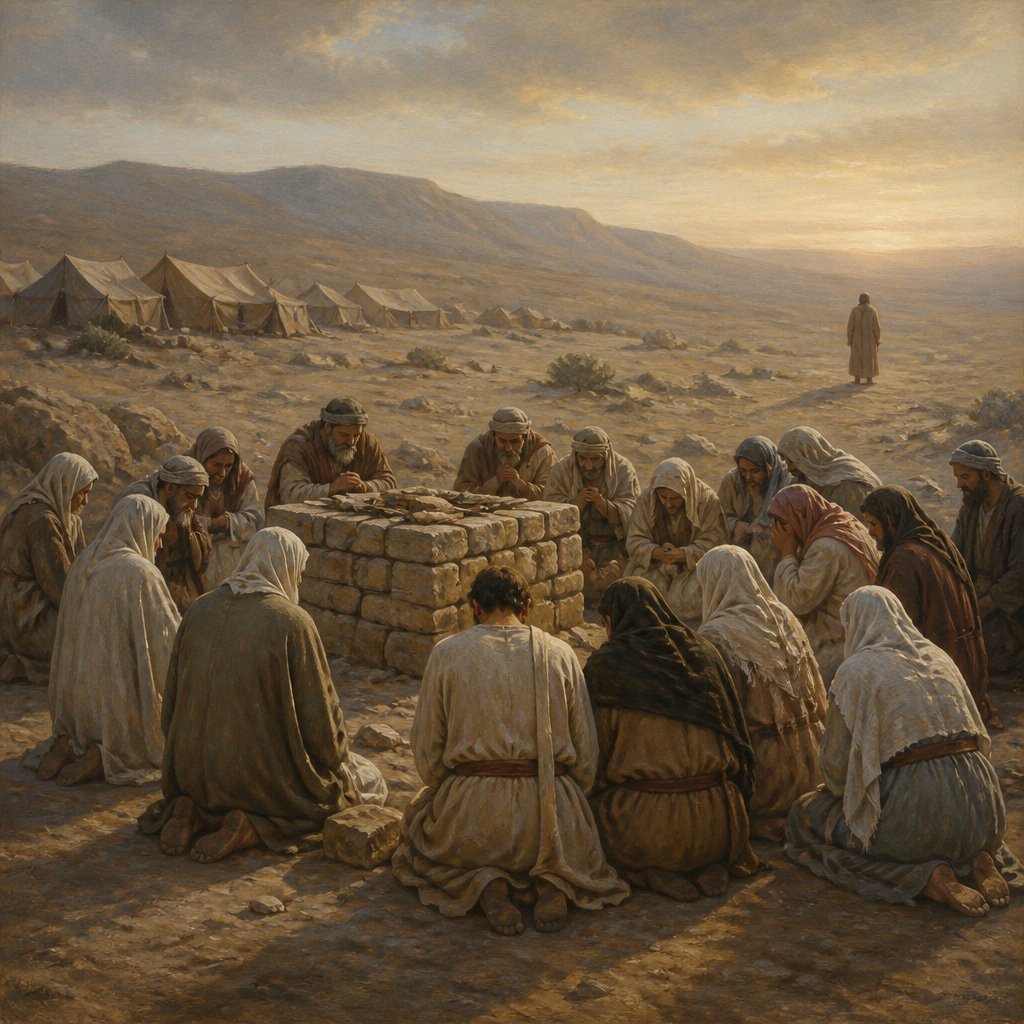
Leviticus 23:29 in the King James Version reads, "For whatsoever soul it be that shall not be afflicted in that same day, he shall be cut off from among his people." This verse comes from the book of Leviticus, which is the third book of the Bible and is primarily concerned with ritual and moral laws for the Israelite community.
In this particular verse, the concept of affliction is at the forefront. The Hebrew word for "afflict" in this verse is "anah," which can also be translated as "humbled" or "oppressed." The context of this verse is within the larger chapter of Leviticus 23, which outlines the appointed feasts of the Lord for the Israelites. This verse specifically refers to the Day of Atonement, a solemn day in which the Israelites were to humble themselves through fasting and repentance.
The theme of affliction and humility is central to the religious practices outlined in Leviticus. This verse emphasizes the importance of participating in the prescribed rituals and reflects the severity of disregarding them. The consequence of not afflicting oneself on the Day of Atonement is being "cut off from among his people," which signifies being excommunicated or separated from the community of Israel. This severe punishment underscores the significance of obedience to the religious laws and the communal nature of the Israelite faith.
Moreover, this verse serves as a reminder of the gravity of the Day of Atonement and the need for sincere repentance and spiritual reflection. It encourages introspection and self-examination, as failing to afflict oneself on this day was seen as a rejection of the atonement process and a lack of remorse for one's sins. The emphasis on personal affliction also highlights the individual's responsibility to actively engage in the process of atonement and reconciliation with God.
Symbolically, the act of afflicting oneself on the Day of Atonement represents a willingness to undergo hardship and discomfort for the purpose of spiritual purification. It is a physical embodiment of the Israelites' commitment to repentance and restoration of their relationship with God. The concept of affliction can be seen as a form of self-discipline and sacrifice, reflecting the Israelites' dedication to their religious beliefs and their willingness to endure hardship for the sake of their faith.
In a broader sense, the verse can also be interpreted as a call to humility and self-denial in the pursuit of spiritual growth. By afflicting oneself, individuals demonstrate their willingness to set aside their own desires and comforts in order to prioritize their relationship with God. This act of humility is an essential aspect of the Israelite faith and serves as a reminder of the need for spiritual discipline and devotion.
Leviticus 23:29, within its context, conveys the importance of humility, obedience, and repentance in the Israelite religious tradition. It highlights the significance of the Day of Atonement and the role of individual participation in the communal process of atonement. The verse serves as a poignant reminder of the consequences of disregarding religious obligations and underscores the spiritual significance of self-affliction as a means of seeking reconciliation with God. Overall, this verse stands as a powerful testament to the enduring values of humility, repentance, and devotion within the Israelite faith.
Get our apps


Artwork for Leviticus 23:29

Leviticus 23:29 - "For whatsoever soul it be that shall not be afflicted in that same day, he shall be cut off from among his people."
"For whatsoever soul it be that shall not be afflicted in that same day, he shall be cut off from among his people." - Leviticus 23:29

Leviticus 23:23 - "¶ And the LORD spake unto Moses, saying,"

Leviticus 23:21

Leviticus 23:21

Leviticus 23:21

Leviticus 23:21

Leviticus 23:21

Leviticus 23:20

Leviticus 23:21

Leviticus 13:29 - "¶ If a man or woman have a plague upon the head or the beard;"

Leviticus 23:15-22

Leviticus 23:17-22

Leviticus 24:20-23

"¶ And the LORD spake unto Moses, saying," - Leviticus 23:23

John 14:23-29

John 14:23-29

Leviticus 6:29 - "All the males among the priests shall eat thereof: it is most holy."

John 14:23-29

Exodus 23:28-29

Leviticus 23:26 - "¶ And the LORD spake unto Moses, saying,"

Leviticus 23:1 - "And the LORD spake unto Moses, saying,"

Leviticus 23:33 - "¶ And the LORD spake unto Moses, saying,"

Leviticus 23:9 - "¶ And the LORD spake unto Moses, saying,"

Leviticus 22:29 - "And when ye will offer a sacrifice of thanksgiving unto the LORD, offer it at your own will."

Leviticus 23:5 - "In the fourteenth day of the first month at even is the LORD'S passover."

Leviticus 23:44 - "And Moses declared unto the children of Israel the feasts of the LORD."

Leviticus 26:23 - "And if ye will not be reformed by me by these things, but will walk contrary unto me;"

the jewish holidays mentioned in leviticus 23:1 until 23:40 combined in one picture,

Job 29:23 - "And they waited for me as for the rain; and they opened their mouth wide as for the latter rain."