What does Leviticus 23:38 mean?
“Beside the sabbaths of the LORD, and beside your gifts, and beside all your vows, and beside all your freewill offerings, which ye give unto the LORD.” — Leviticus 23:38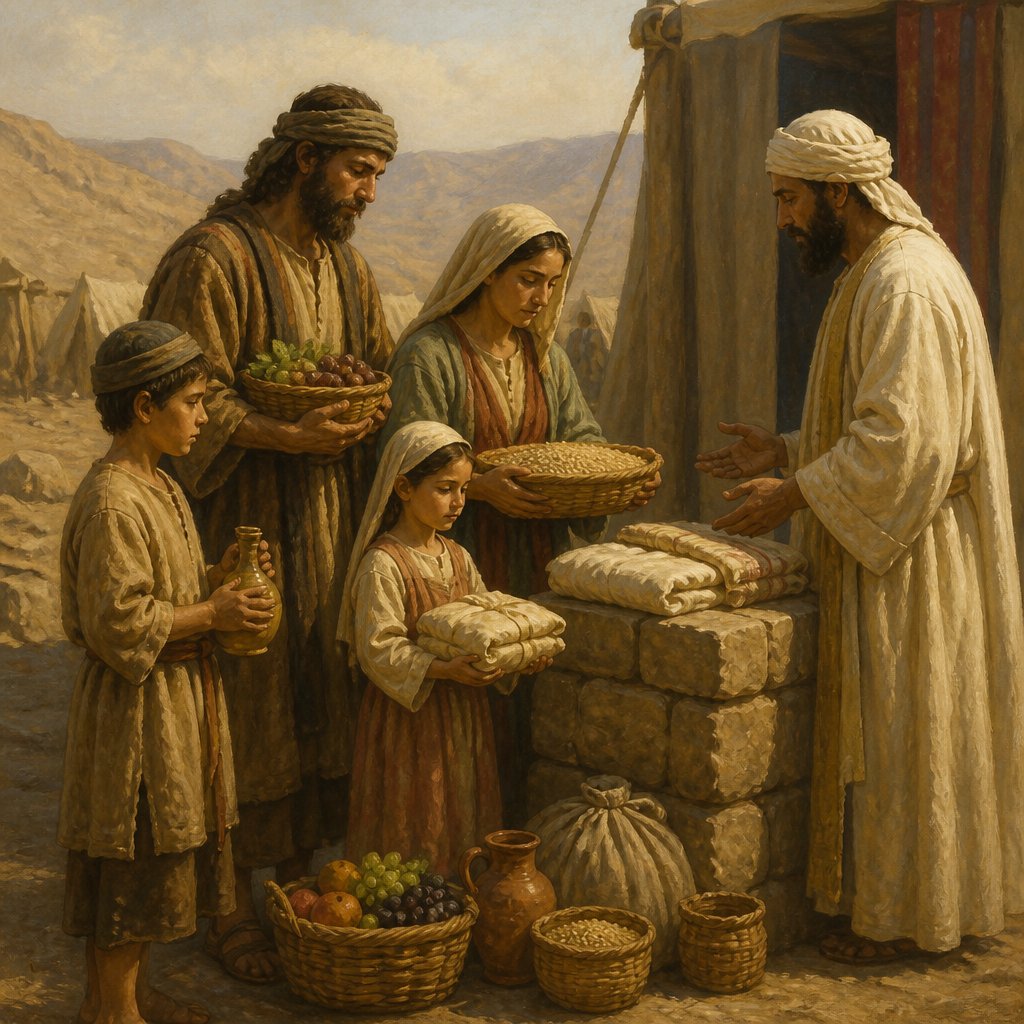
Leviticus 23:38 (KJV) - "Beside the sabbaths of the Lord, and beside your gifts, and beside all your vows, and beside all your freewill offerings, which ye give unto the Lord."
The book of Leviticus is the third book of the Hebrew Bible and the Old Testament. It mainly focuses on the laws and regulations of the priesthood and religious ceremonies. This particular verse from Leviticus 23:38 is part of a larger passage that outlines the various festivals and holy days that the Israelites were commanded to observe.
The verse emphasizes the importance of setting aside specific times for the worship and praise of the Lord. It begins with the phrase "Beside the sabbaths of the Lord," highlighting the significance of observing the weekly Sabbath as a day of rest and spiritual reflection. The Sabbath was a time for the Israelites to gather for communal worship and to set aside their worldly concerns in order to focus on their relationship with God.
The verse then goes on to mention "your gifts, and beside all your vows, and beside all your freewill offerings," which were all forms of voluntary offerings and sacrifices that the Israelites were encouraged to make to show their devotion to God. These gifts and offerings were a way for the people to express their gratitude and commitment to the Lord, as well as to seek forgiveness for their sins.
The passage as a whole reflects the importance of religious observance and the giving of oneself to God. It encourages the Israelites to be mindful of their spiritual responsibilities and to actively participate in the worship and rituals of their faith. The verse serves as a reminder that these offerings are not only a duty but also a means of deepening one's relationship with the divine.
The context of Leviticus 23:38 is rooted in the ancient religious practices of the Israelites and the regulations set forth by the Mosaic law. During biblical times, the people of Israel were governed by a complex system of rituals, sacrifices, and festivals that were meant to both honor God and maintain social order. The religious leaders, known as the Levites, were responsible for overseeing these practices and ensuring that they were carried out according to the commandments of the Lord.
In addition to its historical context, the verse also holds relevance for modern-day believers. While many of the specific rituals and ceremonies outlined in Leviticus may no longer be practiced, the underlying message of devotion and sacrifice remains significant. The verse encourages believers to set aside time for worship, to give generously of themselves, and to fulfill any vows or commitments made to God.
Symbolically, Leviticus 23:38 represents the idea of dedication and surrender to a higher power. The offerings and vows mentioned in the verse are physical manifestations of one's commitment to God, reflecting a willingness to give of oneself for the greater good. The verse also underscores the concept of reciprocity in the relationship between humanity and the divine, as the Israelites are called to offer their gifts and sacrifices as a way of honoring and communing with God.
Overall, Leviticus 23:38 serves as a reminder of the importance of spiritual devotion and the giving of oneself in service to the Lord. It calls upon believers to be mindful of their religious duties and to approach their faith with sincerity and humility. The verse carries a timeless message of dedication and sacrifice, encouraging individuals to actively engage in acts of worship and to honor their commitments to God.
Get our apps


Artwork for Leviticus 23:38

Leviticus 23:38 - "Beside the sabbaths of the LORD, and beside your gifts, and beside all your vows, and beside all your freewill offerings, which ye give unto the LORD."
"Beside the sabbaths of the LORD, and beside your gifts, and beside all your vows, and beside all your freewill offerings, which ye give unto the LORD." - Leviticus 23:38

Leviticus 23:23 - "¶ And the LORD spake unto Moses, saying,"

2 Samuel 23:38 - "Ira an Ithrite, Gareb an Ithrite,"

Leviticus 26:38 - "And ye shall perish among the heathen, and the land of your enemies shall eat you up."

Leviticus 13:38 - "¶ If a man also or a woman have in the skin of their flesh bright spots, even white bright spots;"

Matthew 23:38 - "Behold, your house is left unto you desolate."

Leviticus 14:38 - "Then the priest shall go out of the house to the door of the house, and shut up the house seven days:"

Leviticus 23:21

Leviticus 23:21

Leviticus 23:21

Leviticus 23:21

Leviticus 23:21

Leviticus 23:20

Leviticus 23:21

Leviticus 11:38 - "But if any water be put upon the seed, and any part of their carcase fall thereon, it shall be unclean unto you."

Leviticus 23:15-22

Leviticus 23:17-22

Leviticus 24:20-23

"¶ And the LORD spake unto Moses, saying," - Leviticus 23:23

Job 38:23 - "Which I have reserved against the time of trouble, against the day of battle and war?"

Luke 23:38 - "And a superscription also was written over him in letters of Greek, and Latin, and Hebrew, THIS IS THE KING OF THE JEWS."

Leviticus 23:26 - "¶ And the LORD spake unto Moses, saying,"

Leviticus 23:1 - "And the LORD spake unto Moses, saying,"

Leviticus 23:33 - "¶ And the LORD spake unto Moses, saying,"
Leviticus 23:9 - "¶ And the LORD spake unto Moses, saying,"

Leviticus 7:38 - "Which the LORD commanded Moses in mount Sinai, in the day that he commanded the children of Israel to offer their oblations unto the LORD, in the wilderness of Sinai."

Leviticus 25:38 - "I am the LORD your God, which brought you forth out of the land of Egypt, to give you the land of Canaan, and to be your God."

"Ira an Ithrite, Gareb an Ithrite," - 2 Samuel 23:38

Leviticus 23:5 - "In the fourteenth day of the first month at even is the LORD'S passover."