What does Leviticus 23:39 mean?
“Also in the fifteenth day of the seventh month, when ye have gathered in the fruit of the land, ye shall keep a feast unto the LORD seven days: on the first day shall be a sabbath, and on the eighth day shall be a sabbath.” — Leviticus 23:39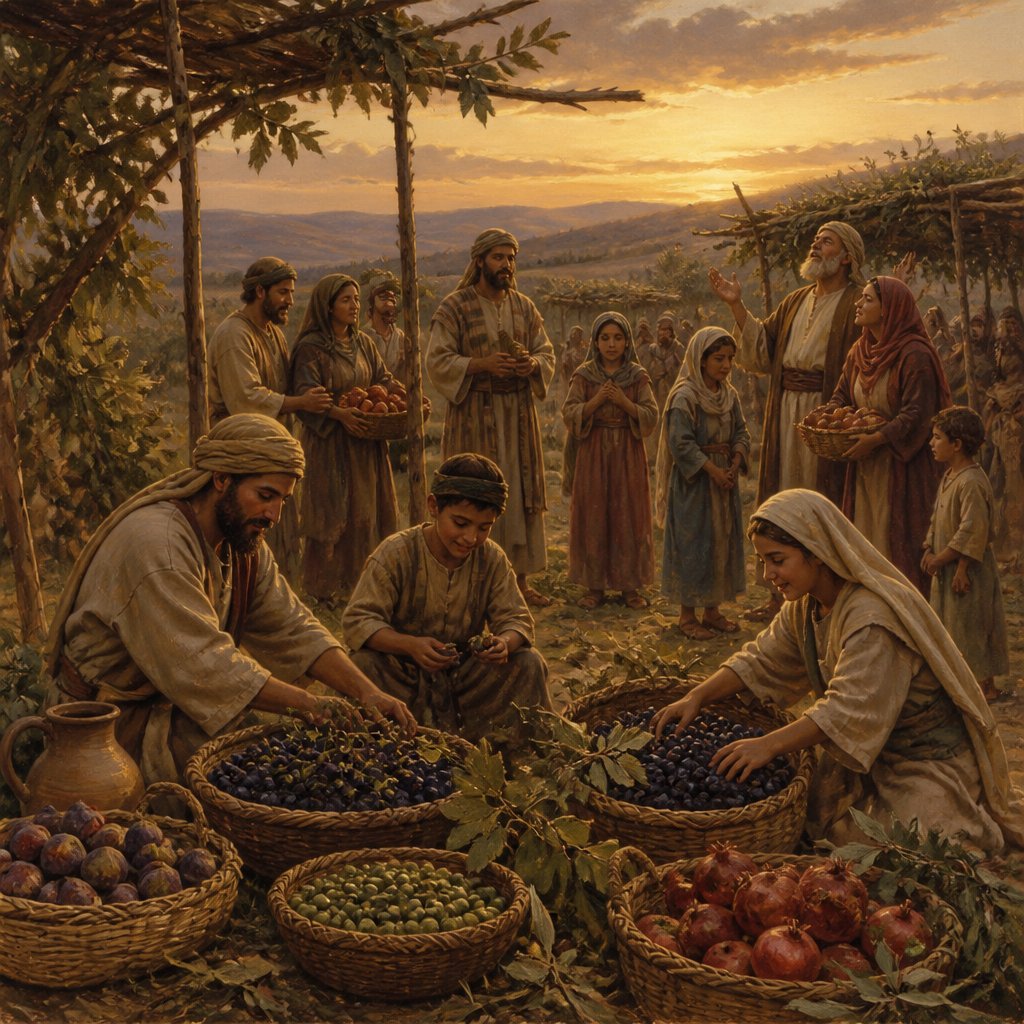
Leviticus 23:39 (KJV) states, "Also in the fifteenth day of the seventh month, when ye have gathered in the fruit of the land, ye shall keep a feast unto the Lord seven days: on the first day shall be a sabbath, and on the eighth day shall be a sabbath."
In order to truly understand the meaning and significance of this verse, it is important to consider the larger context of Leviticus 23. This chapter outlines various feasts and festivals that the Israelites were instructed to observe as part of their worship and obedience to God. These feasts were not only important for religious reasons, but they also served as a way for the Israelites to come together as a community and celebrate the blessings of God.
In Leviticus 23:39, the focus is on the Feast of Tabernacles, also known as the Feast of Booths. This feast was to be observed on the fifteenth day of the seventh month, which corresponds to the autumn season. This timing is significant because it coincides with the completion of the harvest, particularly the grape and olive harvests. The Israelites were instructed to gather the fruit of the land and then celebrate the feast unto the Lord for seven days.
The first day of the Feast of Tabernacles was to be a sabbath, which means a day of rest and worship. Similarly, the eighth day of the feast was also to be a sabbath. This underscores the importance of setting aside time for rest and spiritual reflection during this period of celebration.
One of the key themes of Leviticus 23:39 is gratitude. The Feast of Tabernacles was a time for the Israelites to express their thankfulness to God for the abundance of the harvest and the fruits of the land. By gathering together and commemorating the blessings of God, the Israelites were reminded of His provision and faithfulness. This theme of gratitude and thanksgiving is a timeless lesson that continues to be relevant for believers today.
Another important theme in this verse is community. The Feast of Tabernacles provided an opportunity for the Israelites to come together as a community and celebrate their shared blessings. The act of gathering in the fruit of the land and then observing the feast as a collective body reinforced the idea of unity and mutual support among God's people. This emphasis on community and shared celebration remains an important aspect of the Christian faith, as believers are called to fellowship with one another and bear one another's burdens.
In addition to the themes of gratitude and community, there is also a deeper spiritual symbolism at play in Leviticus 23:39. The number seven is significant in the Bible, representing completion and perfection. The seven days of the Feast of Tabernacles can be seen as a symbol of the fullness of God's blessings and the completeness of His provision. Similarly, the sabbath days at the beginning and end of the feast serve as a reminder of God's restorative and redemptive work in the lives of His people.
The Feast of Tabernacles also carried a prophetic significance, foreshadowing the coming of the Messiah and His kingdom. In the New Testament, Jesus is identified as the fulfillment of the feast, as He is the embodiment of God's provision and the ultimate source of spiritual abundance. The imagery of gathering in the fruit of the land can be seen as a symbol of the spiritual harvest that comes through the ministry of Christ. The Feast of Tabernacles thus points to the ultimate fulfillment of God's promises and the establishment of His eternal kingdom.
In conclusion, Leviticus 23:39 conveys a rich and multifaceted message that encompasses themes of gratitude, community, and spiritual symbolism. This verse serves as a reminder of the importance of acknowledging God's provision, celebrating His blessings as a community, and anticipating the fulfillment of His promises. As believers, we can draw wisdom and inspiration from the timeless truths contained in this Old Testament passage, finding guidance for our own journey of faith and worship.
Get our apps


Artwork for Leviticus 23:39
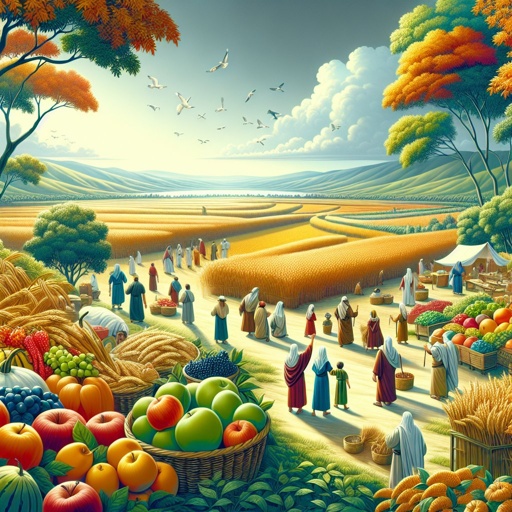
Leviticus 23:39 - "Also in the fifteenth day of the seventh month, when ye have gathered in the fruit of the land, ye shall keep a feast unto the LORD seven days: on the first day shall be a sabbath, and on the eighth day shall be a sabbath."
"Also in the fifteenth day of the seventh month, when ye have gathered in the fruit of the land, ye shall keep a feast unto the LORD seven days: on the first day shall be a sabbath, and on the eighth day shall be a sabbath." - Leviticus 23:39

2 Samuel 23:39 - "Uriah the Hittite: thirty and seven in all."

Leviticus 23:23 - "¶ And the LORD spake unto Moses, saying,"

Job 39:23 - "The quiver rattleth against him, the glittering spear and the shield."

Leviticus 14:39 - "And the priest shall come again the seventh day, and shall look: and, behold, if the plague be spread in the walls of the house;"

Leviticus 23:21

Leviticus 23:21

Leviticus 23:21

Leviticus 23:21

Leviticus 23:21

Leviticus 23:20

Leviticus 23:21

Leviticus 11:39 - "And if any beast, of which ye may eat, die; he that toucheth the carcase thereof shall be unclean until the even."

Leviticus 25:39 - "¶ And if thy brother that dwelleth by thee be waxen poor, and be sold unto thee; thou shalt not compel him to serve as a bondservant:"
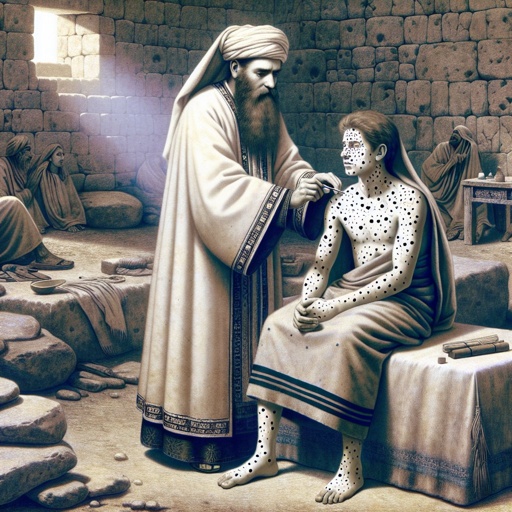
Leviticus 13:39 - "Then the priest shall look: and, behold, if the bright spots in the skin of their flesh be darkish white; it is a freckled spot that groweth in the skin; he is clean."

Leviticus 26:39 - "And they that are left of you shall pine away in their iniquity in your enemies' lands; and also in the iniquities of their fathers shall they pine away with them."

Exodus 39:23 - "And there was an hole in the midst of the robe, as the hole of an habergeon, with a band round about the hole, that it should not rend."

Leviticus 23:15-22

Leviticus 23:17-22

Leviticus 24:20-23

"¶ And the LORD spake unto Moses, saying," - Leviticus 23:23

Leviticus 23:26 - "¶ And the LORD spake unto Moses, saying,"

Leviticus 23:1 - "And the LORD spake unto Moses, saying,"

Leviticus 23:33 - "¶ And the LORD spake unto Moses, saying,"

Leviticus 23:9 - "¶ And the LORD spake unto Moses, saying,"

Luke 23:39 - "¶ And one of the malefactors which were hanged railed on him, saying, If thou be Christ, save thyself and us."
"Uriah the Hittite: thirty and seven in all." - 2 Samuel 23:39

Leviticus 23:5 - "In the fourteenth day of the first month at even is the LORD'S passover."

Leviticus 23:44 - "And Moses declared unto the children of Israel the feasts of the LORD."