What does Leviticus 23:4 mean?
“These are the feasts of the LORD, even holy convocations, which ye shall proclaim in their seasons.” — Leviticus 23:4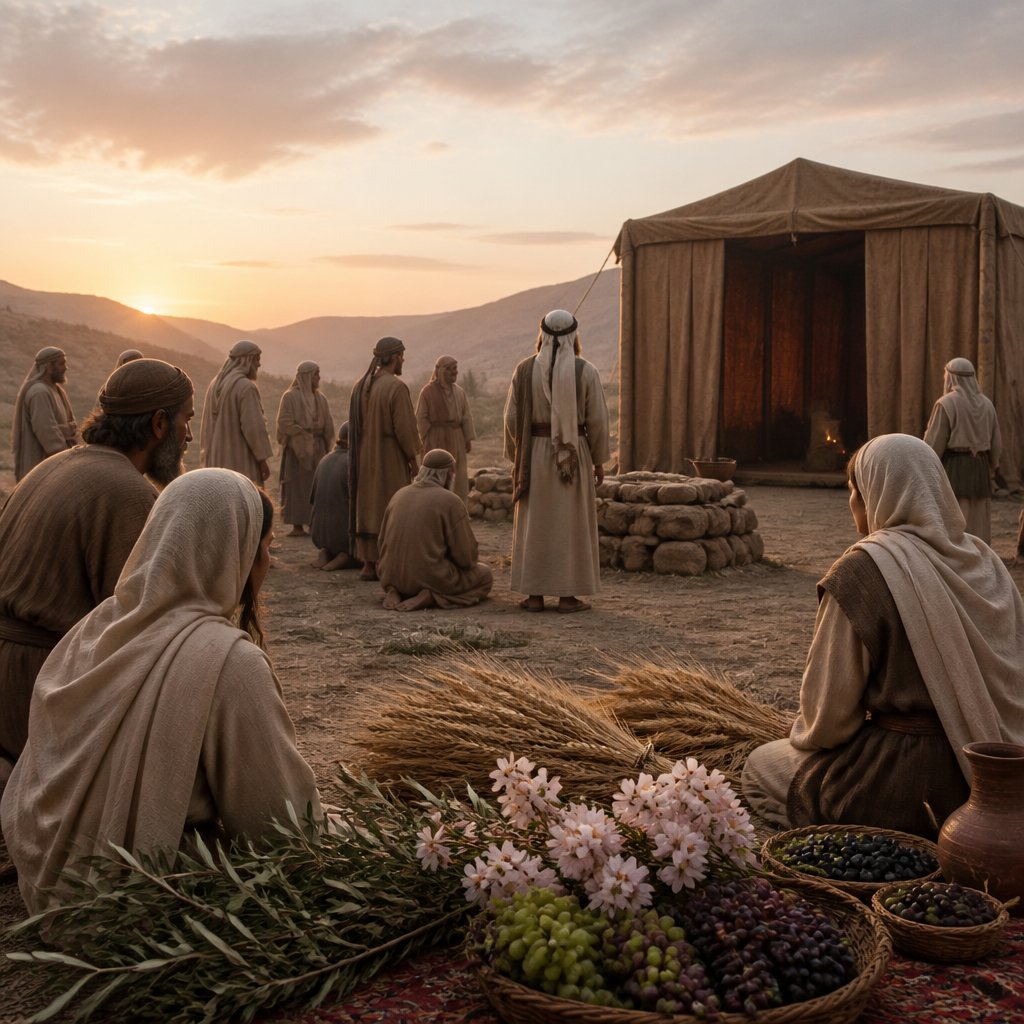
Leviticus 23:4 (KJV) reads: "These are the feasts of the Lord, even holy convocations, which ye shall proclaim in their seasons."
This verse is part of a larger passage in the Book of Leviticus that outlines various festivals and celebrations that the Israelites were commanded to observe. The verse emphasizes the importance of these feasts as being ordained by the Lord, and it also emphasizes the need to proclaim and celebrate these feasts at their designated times or seasons.
The context of Leviticus 23 is the giving of the laws and regulations to the Israelites by God through Moses. This chapter specifically deals with the feasts or festivals that the Israelites were to observe. These feasts were important in the religious and cultural life of the nation of Israel, and they were a means of creating and reinforcing community identity, as well as providing regular opportunities for the worship and honor of God.
One of the key themes in Leviticus 23:4 is the idea of holiness. The verse describes these feasts as "holy convocations," highlighting the sacred and set-apart nature of these gatherings. The emphasis on holiness is reflective of the higher standards to which the Israelites were called as a chosen people, and it serves to underscore the significance of these feasts as a means of sanctification and spiritual renewal.
Another important theme in this verse is that of obedience and submission to divine authority. The Israelites were given specific instructions on how to observe these feasts and were expected to follow them diligently. This demonstrates the importance of obedience to God's commands, as well as a recognition of His authority in the lives of His people.
The concept of proclamation is also significant in this verse. The Israelites were instructed to proclaim these feasts, both as a means of publicizing and inviting others to join in the celebrations, and also as a way of publicly acknowledging and declaring their allegiance to the Lord. This act of proclamation served to reinforce the communal nature of these feasts and to emphasize the unity of the people in their worship of God.
In addition to its literal meaning, Leviticus 23:4 can also be interpreted symbolically. The feasts mentioned in this verse can be seen as foreshadowing or pointing forward to the ultimate fulfillment of God's plan for salvation through Jesus Christ. As such, they can be seen as representing different aspects of the redemptive work of Christ, such as his death and resurrection, the outpouring of the Holy Spirit, and the future establishment of God's kingdom.
Overall, Leviticus 23:4 serves as a reminder of the importance of honoring and celebrating the appointed times of the Lord, and of the need to do so with reverence, obedience, and a sense of communal solidarity. It highlights the foundational principles of holiness, obedience, and proclamation as essential aspects of the Israelites' relationship with God and serves as a broader symbol of the believer's commitment to God and His redemptive purposes.
Get our apps


Artwork for Leviticus 23:4

Leviticus 23:4 - "¶ These are the feasts of the LORD, even holy convocations, which ye shall proclaim in their seasons."
"¶ These are the feasts of the LORD, even holy convocations, which ye shall proclaim in their seasons." - Leviticus 23:4

Leviticus 4:23 - "Or if his sin, wherein he hath sinned, come to his knowledge; he shall bring his offering, a kid of the goats, a male without blemish:"

Leviticus 23:23 - "¶ And the LORD spake unto Moses, saying,"

Leviticus 23:21

Leviticus 23:21

Leviticus 23:21

Leviticus 23:21

Leviticus 23:21

Leviticus 23:20

Leviticus 23:21

Leviticus 23:15-22

Leviticus 23:17-22

Leviticus 24:20-23

"¶ And the LORD spake unto Moses, saying," - Leviticus 23:23

Leviticus 23:1 - "And the LORD spake unto Moses, saying,"

Leviticus 23:26 - "¶ And the LORD spake unto Moses, saying,"

Leviticus 23:33 - "¶ And the LORD spake unto Moses, saying,"

Leviticus 23:9 - "¶ And the LORD spake unto Moses, saying,"

Leviticus 23:5 - "In the fourteenth day of the first month at even is the LORD'S passover."

Leviticus 23:44 - "And Moses declared unto the children of Israel the feasts of the LORD."

Leviticus 26:23 - "And if ye will not be reformed by me by these things, but will walk contrary unto me;"

the jewish holidays mentioned in leviticus 23:1 until 23:40 combined in one picture,

Leviticus 6:23 - "For every meat offering for the priest shall be wholly burnt: it shall not be eaten."

Leviticus 25:23 - "¶ The land shall not be sold for ever: for the land is mine; for ye are strangers and sojourners with me."

Leviticus 23:35 - "On the first day shall be an holy convocation: ye shall do no servile work therein."

Leviticus 26: 4-6

the jewish holidays mentioned in leviticus 23:1 until 23:40 combined in one picture, with hebrew names in hebrew charactes

Leviticus 23:42 - "Ye shall dwell in booths seven days; all that are Israelites born shall dwell in booths:"
Leviticus 26: 4-6