What does Leviticus 23:7 mean?
“In the first day ye shall have an holy convocation: ye shall do no servile work therein.” — Leviticus 23:7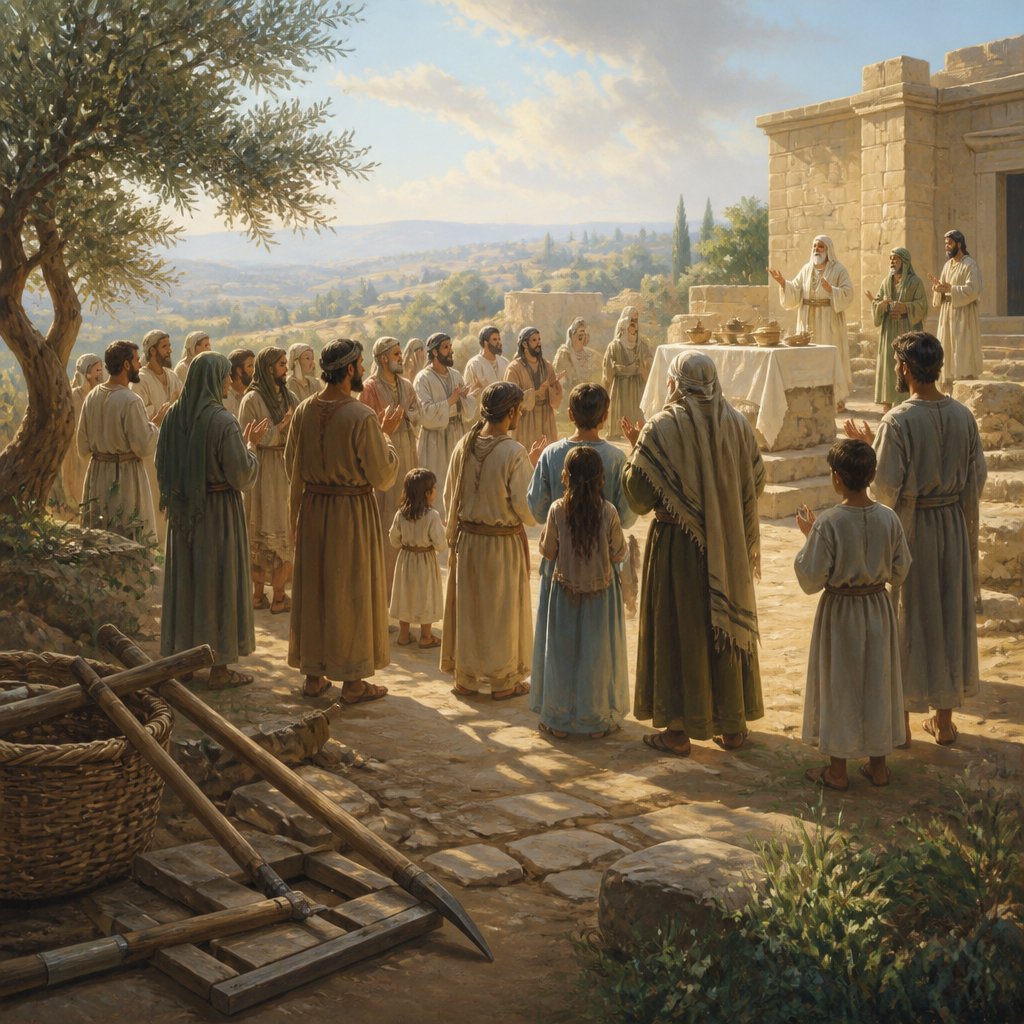
Leviticus 23:7 (KJV) states, "In the first day ye shall have an holy convocation: ye shall do no servile work therein." This verse is a part of the Old Testament and specifically a part of the Book of Leviticus, which is the third book of the Pentateuch, also known as the Torah, the first five books of the Bible. Leviticus is a complex book primarily dealing with laws and regulations for the Israelites, and it provides guidelines for worship and daily living. Leviticus 23 is specifically focused on the appointed feasts of the Lord, and this verse occurs in the context of the Feast of Unleavened Bread.
The Feast of Unleavened Bread is a week-long Jewish festival that takes place in the spring, immediately following the Passover. It commemorates the Israelites' exodus from Egypt when they had to leave so quickly that they didn't have time for their bread to rise, hence the requirement to eat unleavened bread during this time. It is a time of remembrance, reflection, and celebration of God's deliverance.
The verse is urging the Israelites to gather together for a holy convocation on the first day of the Feast of Unleavened Bread. The term "holy convocation" means a sacred assembly, a time when the people come together for worship, prayer, and the reading of God's word. It is a time of communal and collective expression of faith and devotion to God. This gathering serves to unite the people, reinforce their identity as the chosen people of God, and strengthen their relationship with Him.
Additionally, the Israelites are instructed not to do any "servile work" on this day. The term "servile work" refers to the regular, everyday labor that people engage in to meet their physical and material needs. This commandment underscores the sacredness of the day and the importance of dedicating it to spiritual pursuits rather than worldly concerns. It emphasizes the need to separate oneself from the mundane and focus on spiritual matters during this holy time.
The themes presented in this verse include the importance of community, worship, and the consecration of time for spiritual purposes. It highlights the need for regular communal worship and the significance of coming together as a community of believers to honor and glorify God. It also emphasizes the sanctity of time and the idea of setting aside specific moments for spiritual reflection and devotion.
The verse also has symbolic significance. The emphasis on coming together for a holy convocation foreshadows the importance of fellowship and communal worship in Christianity. It reflects the idea that believers are called to gather together to worship and strengthen one another in faith. The command to refrain from servile work symbolizes the concept of rest and renewal, reminding believers of the need to observe periods of rest and spiritual rejuvenation.
In terms of historical and cultural context, this verse was particularly relevant to the Israelites living in ancient times. It shaped their religious practices and guided their daily lives, reinforcing the importance of obedience to God's commandments. It was intended to set the Israelites apart from other nations and to cultivate a distinct identity centered on their covenant relationship with God.
In conclusion, Leviticus 23:7 (KJV) illuminates the significance of communal worship, spiritual dedication, and the sanctity of time in the religious life of the Israelites. It speaks to the enduring value of coming together as a community of faith and the need to prioritize spiritual matters over mundane concerns. Its themes and symbolism continue to resonate with believers today, serving as a reminder of the importance of communal worship, rest, and spiritual devotion in the Christian faith.
Get our apps


Artwork for Leviticus 23:7

Leviticus 23:7 - "In the first day ye shall have an holy convocation: ye shall do no servile work therein."
"In the first day ye shall have an holy convocation: ye shall do no servile work therein." - Leviticus 23:7

Leviticus 7:23 - "Speak unto the children of Israel, saying, Ye shall eat no manner of fat, of ox, or of sheep, or of goat."

Leviticus 23:23 - "¶ And the LORD spake unto Moses, saying,"

Leviticus 23:21

Leviticus 23:21

Leviticus 23:21

Leviticus 23:21

Leviticus 23:21

Leviticus 23:20

Leviticus 23:21
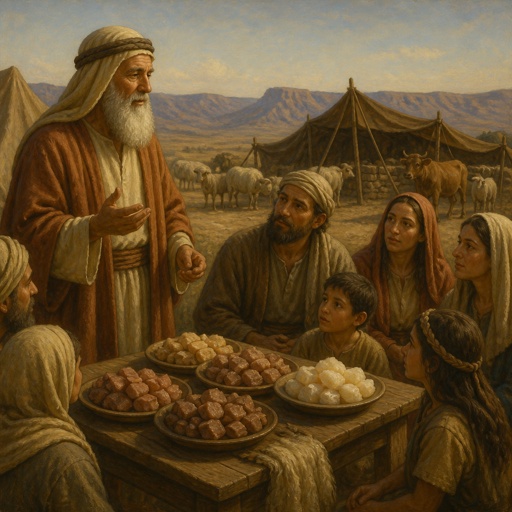
"Speak unto the children of Israel, saying, Ye shall eat no manner of fat, of ox, or of sheep, or of goat." - Leviticus 7:23

Leviticus 23:15-22

Leviticus 23:17-22

Leviticus 24:20-23

"¶ And the LORD spake unto Moses, saying," - Leviticus 23:23

Leviticus 23:1 - "And the LORD spake unto Moses, saying,"

Leviticus 23:26 - "¶ And the LORD spake unto Moses, saying,"

Leviticus 23:33 - "¶ And the LORD spake unto Moses, saying,"

Leviticus 23:9 - "¶ And the LORD spake unto Moses, saying,"

Leviticus 23:5 - "In the fourteenth day of the first month at even is the LORD'S passover."

Leviticus 23:44 - "And Moses declared unto the children of Israel the feasts of the LORD."

Leviticus 17:7

Leviticus 26:23 - "And if ye will not be reformed by me by these things, but will walk contrary unto me;"

the jewish holidays mentioned in leviticus 23:1 until 23:40 combined in one picture,

Leviticus 6:23 - "For every meat offering for the priest shall be wholly burnt: it shall not be eaten."

leviticus 16:7-10

Leviticus 25:23 - "¶ The land shall not be sold for ever: for the land is mine; for ye are strangers and sojourners with me."

Leviticus 23:4 - "¶ These are the feasts of the LORD, even holy convocations, which ye shall proclaim in their seasons."

Leviticus 23:35 - "On the first day shall be an holy convocation: ye shall do no servile work therein."