What does Leviticus 24:10 mean?
“And the son of an Israelitish woman, whose father was an Egyptian, went out among the children of Israel: and this son of the Israelitish woman and a man of Israel strove together in the camp;” — Leviticus 24:10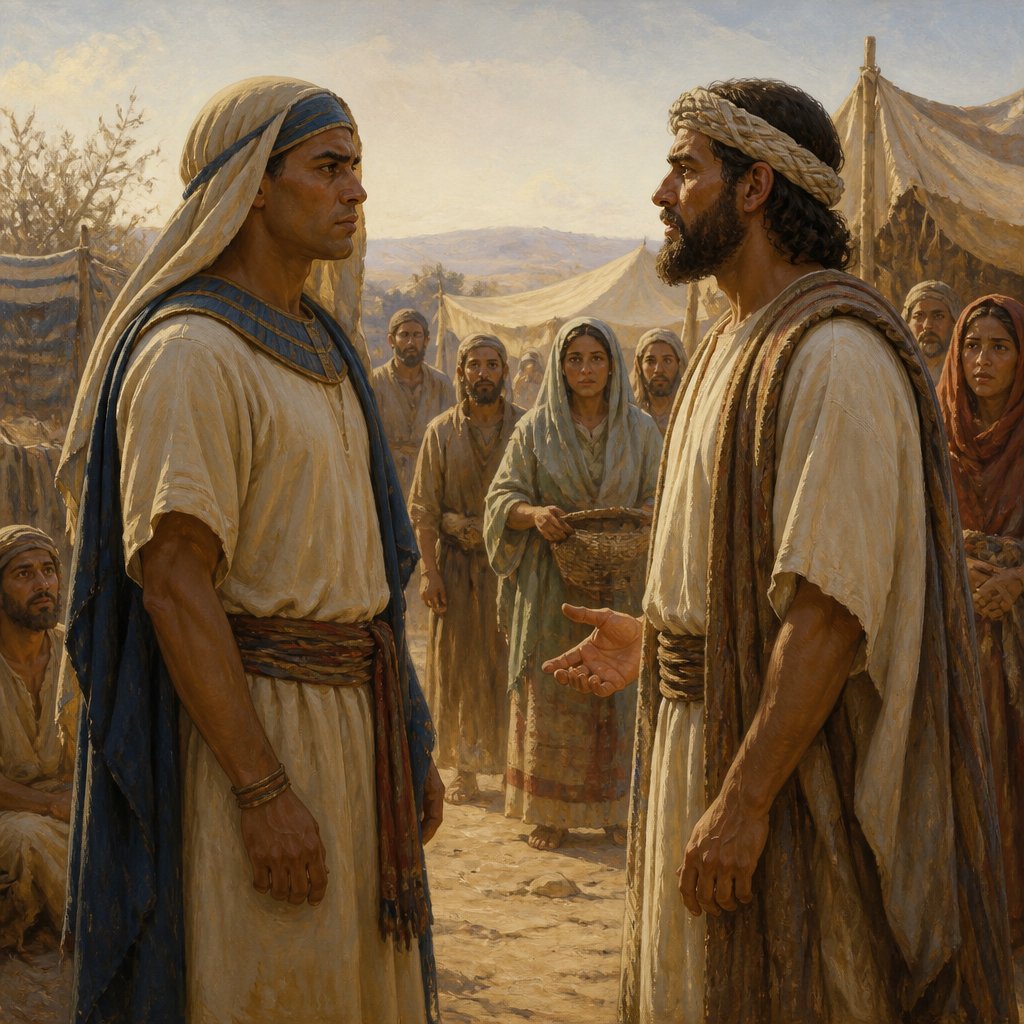
Leviticus 24:10 from the King James Version of the Bible reads, "And the son of an Israelitish woman, whose father was an Egyptian, went out among the children of Israel: and the son of the Israelitish woman and a man of Israel strove together in the camp." This verse is part of the Old Testament, specifically in the book of Leviticus, which is the third book of the Bible. Leviticus is known for its detailed guidelines and laws given by God to the Israelites, and it is primarily concerned with religious rituals, moral conduct, and the organization of society.
In this specific verse, we are given a glimpse into a conflict between an Israelite and a man with mixed heritage. The man is described as being the son of an Israelite woman and an Egyptian father, and he gets into a quarrel with another man of Israel. This verse comes in the context of a chapter that deals with various laws concerning the tabernacle and the offerings made to the Lord. The preceding verses talk about the regulation of the holy bread and the punishment for blasphemy, setting the stage for the account of the quarrel.
From a symbolic standpoint, this verse can be seen as a reflection of the tensions and conflicts that arise within a community. The man with mixed heritage represents an outsider within the Israelite camp, and his altercation with a pure Israelite highlights the struggle for acceptance and integration. This can be viewed as a metaphor for the challenges faced by those who do not fit neatly into societal or cultural norms. The passage serves as a reminder that conflicts and differences are present in every society, and it is important to address them in a just and fair manner.
The theme of identity and belonging is also prevalent in this verse. The man with mixed heritage may have felt torn between his Egyptian and Israelite roots, and his struggle for acceptance could have been magnified due to his dual identity. This theme resonates with many individuals today who grapple with questions of self-identity and fitting into societal expectations. The verse prompts readers to consider the importance of inclusivity and understanding in a community, and it challenges the notion of exclusivity based on one's heritage or background.
Furthermore, this verse sheds light on the complexities of human relationships and interactions. The conflict between the two men demonstrates the inevitability of disagreements and disputes, and it serves as a cautionary tale about the consequences of unresolved conflicts. It prompts readers to consider the importance of conflict resolution and the role of justice in maintaining peace within a community.
From a historical and cultural context, this verse also provides insight into the dynamics of the Israelite community during the time of the Old Testament. It reveals the challenges and tensions that existed within the camp, and it reflects the complexities of coexisting with individuals of diverse backgrounds. The verse illustrates the societal norms and attitudes of the time, as well as the interactions between different groups of people living in close proximity.
In conclusion, Leviticus 24:10 offers a nuanced and thought-provoking account of a conflict within the Israelite camp. Through its themes of identity, belonging, and conflict resolution, this verse holds relevance to contemporary issues of diversity and societal integration. It serves as a reminder of the importance of empathy and understanding in fostering harmonious relationships within a community.
Get our apps


Artwork for Leviticus 24:10

Leviticus 24:10 - "¶ And the son of an Israelitish woman, whose father was an Egyptian, went out among the children of Israel: and this son of the Israelitish woman and a man of Israel strove together in the camp;"
"¶ And the son of an Israelitish woman, whose father was an Egyptian, went out among the children of Israel: and this son of the Israelitish woman and a man of Israel strove together in the camp;" - Leviticus 24:10

Leviticus 24:20-23

Leviticus 6:24 - "¶ And the LORD spake unto Moses, saying,"

Leviticus 24:1 - "And the LORD spake unto Moses, saying,"

Leviticus 24:13 - "And the LORD spake unto Moses, saying,"

Leviticus 24:12 - "And they put him in ward, that the mind of the LORD might be shewed them."

Leviticus 24:17 - "¶ And he that killeth any man shall surely be put to death."

Leviticus 24:18 - "And he that killeth a beast shall make it good; beast for beast."

Leviticus 10:10 - "And that ye may put difference between holy and unholy, and between unclean and clean;"

Leviticus 25:24 - "And in all the land of your possession ye shall grant a redemption for the land."

Leviticus 21:24 - "And Moses told it unto Aaron, and to his sons, and unto all the children of Israel."

leviticus 16:7-10

Leviticus 19:24 - "But in the fourth year all the fruit thereof shall be holy to praise the LORD withal."

Leviticus 24:4 - "He shall order the lamps upon the pure candlestick before the LORD continually."

Leviticus 11:24 - "And for these ye shall be unclean: whosoever toucheth the carcase of them shall be unclean until the even."

Leviticus 10:20 - "And when Moses heard that, he was content."
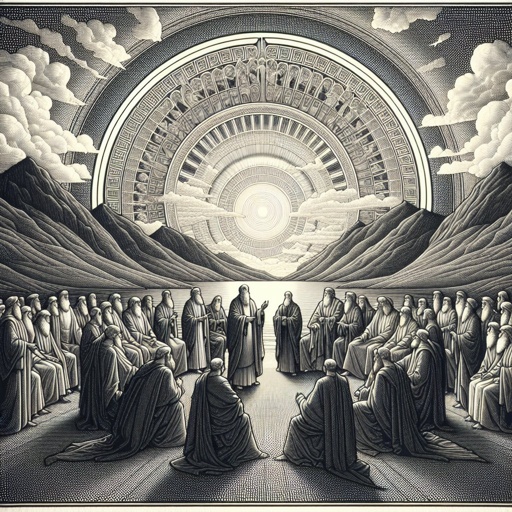
Leviticus 10:8 - "¶ And the LORD spake unto Aaron, saying,"

"¶ And the LORD spake unto Moses, saying," - Leviticus 6:24

Leviticus 24:21 - "And he that killeth a beast, he shall restore it: and he that killeth a man, he shall be put to death."
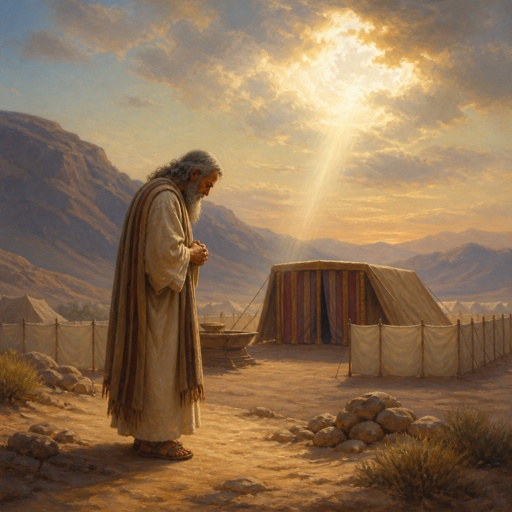
"And the LORD spake unto Moses, saying," - Leviticus 24:13
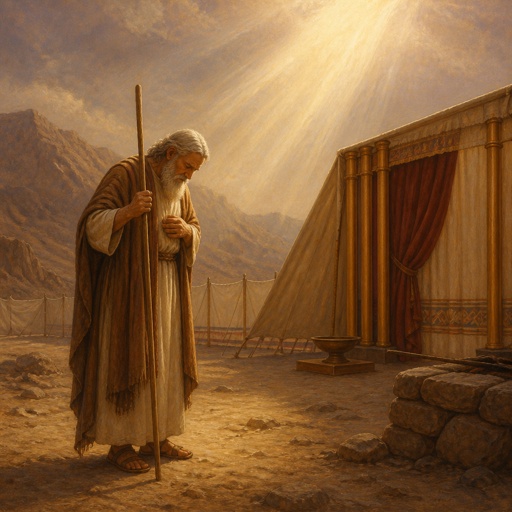
"And the LORD spake unto Moses, saying," - Leviticus 24:1

Leviticus 24:19 - "And if a man cause a blemish in his neighbour; as he hath done, so shall it be done to him;"

Leviticus 26:24 - "Then will I also walk contrary unto you, and will punish you yet seven times for your sins."

Leviticus 24:6 - "And thou shalt set them in two rows, six on a row, upon the pure table before the LORD."

Genesis 24:10
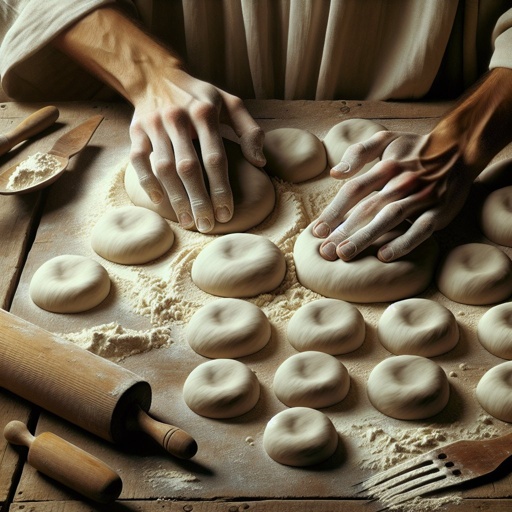
Leviticus 24:5 - "¶ And thou shalt take fine flour, and bake twelve cakes thereof: two tenth deals shall be in one cake."

Leviticus 24:15 - "And thou shalt speak unto the children of Israel, saying, Whosoever curseth his God shall bear his sin."

Leviticus 18:24 - "Defile not ye yourselves in any of these things: for in all these the nations are defiled which I cast out before you:"

Nehemiah 10:24 - "Hallohesh, Pileha, Shobek,"