What does Leviticus 24:11 mean?
“And the Israelitish woman’s son blasphemed the name of the , and cursed. And they brought him unto Moses: ( and his mother’s name was Shelomith, the daughter of Dibri, of the tribe of Dan:)” — Leviticus 24:11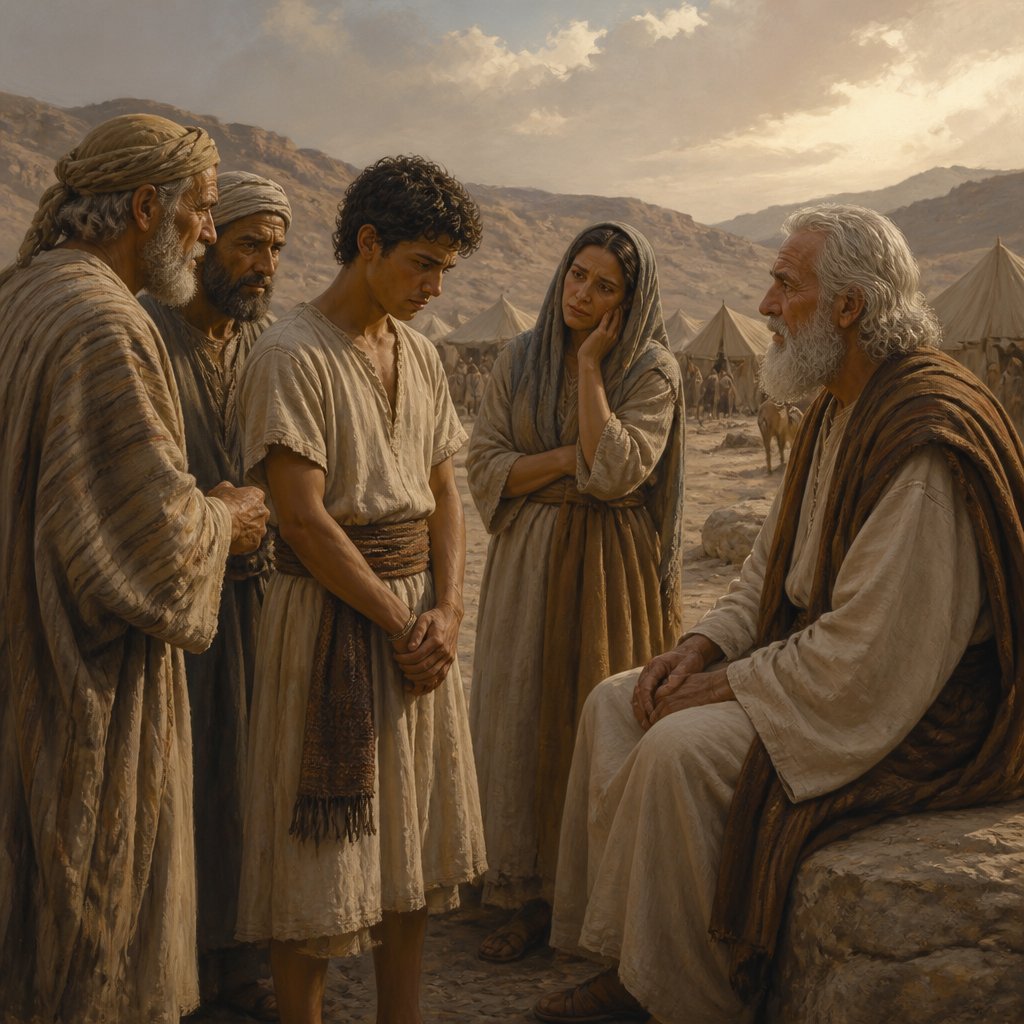
Leviticus 24:11 in the King James Version of the Bible states, "And the Israelitish woman's son blasphemed the name of the Lord, and cursed. And they brought him unto Moses: (and his mother's name was Shelomith, the daughter of Dibri, of the tribe of Dan:)" This verse comes from the Old Testament book of Leviticus, which is primarily focused on the laws and regulations given by God to the Israelites.
The context of this verse is within a passage detailing the punishment for blasphemy. It is important to understand that blasphemy, at the time, was considered a serious offense in Jewish society. To blaspheme the name of the Lord was to speak irreverently or contemptuously about God, which was seen as a direct violation of the first commandment to have no other gods before Him.
In this particular incident, the son of an Israelite woman blasphemed the name of the Lord and cursed. As a result, he was brought before Moses and the community for judgment. The fact that the mother's name is mentioned, along with her lineage from the tribe of Dan, suggests that this detail holds significance in the story. It emphasizes the seriousness of the situation and the need for the community to address the offense.
The themes present in this verse include the holiness of God's name, the consequences of disobedience, and the importance of upholding the laws and commandments given by God. The Israelites were a people chosen by God to be set apart from other nations, and their adherence to His laws was crucial in maintaining their identity and relationship with Him.
From a symbolic standpoint, the blasphemy of the son represents a challenge to the authority and sanctity of God. By cursing and blaspheming, he disregards the reverence and fear that should be given to the name of the Lord. The bringing of the son before Moses signifies the adherence to the legal and judicial process outlined by God for dealing with such offenses within the community.
The consequences for blasphemy were severe under Mosaic law. Leviticus 24:14-16 outlines the punishment for blasphemy as death by stoning. This punishment underscored the seriousness of the offense and served as a deterrent to others. It also highlighted the need for the community to maintain the purity and sanctity of the name of the Lord.
In a broader theological context, this verse points to the requirement for reverence and respect towards God in all aspects of life. It also serves as a reminder of the severity of sin and the need for accountability and atonement. While the Old Testament laws and punishments may seem harsh by contemporary standards, they reflect the uncompromising standard of holiness and justice set by God.
In conclusion, Leviticus 24:11 presents a powerful lesson on the respect and reverence due to the name of the Lord. It also illustrates the severity of blasphemy and the need for adherence to the laws and commandments given by God. The verse serves as a reminder of the holiness of God and the importance of upholding His standards within the community. It also points to the need for atonement and the recognition of sin as a serious offense before God.
Get our apps


Artwork for Leviticus 24:11

Leviticus 24:11 - "And the Israelitish woman's son blasphemed the name of the LORD, and cursed. And they brought him unto Moses: (and his mother's name was Shelomith, the daughter of Dibri, of the tribe of Dan:)"
"And the Israelitish woman's son blasphemed the name of the LORD, and cursed. And they brought him unto Moses: (and his mother's name was Shelomith, the daughter of Dibri, of the tribe of Dan:)" - Leviticus 24:11

Leviticus 11:24 - "And for these ye shall be unclean: whosoever toucheth the carcase of them shall be unclean until the even."
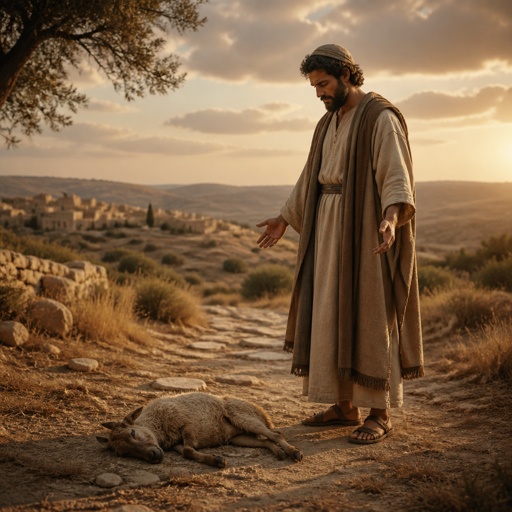
"And for these ye shall be unclean: whosoever toucheth the carcase of them shall be unclean until the even." - Leviticus 11:24

Leviticus 24:20-23

Leviticus 6:24 - "¶ And the LORD spake unto Moses, saying,"

Leviticus 24:1 - "And the LORD spake unto Moses, saying,"

Leviticus 24:13 - "And the LORD spake unto Moses, saying,"
Leviticus 11:22

Leviticus 24:12 - "And they put him in ward, that the mind of the LORD might be shewed them."

Leviticus 24:17 - "¶ And he that killeth any man shall surely be put to death."

Leviticus 24:18 - "And he that killeth a beast shall make it good; beast for beast."

James 1:2-4

Mark 2:4
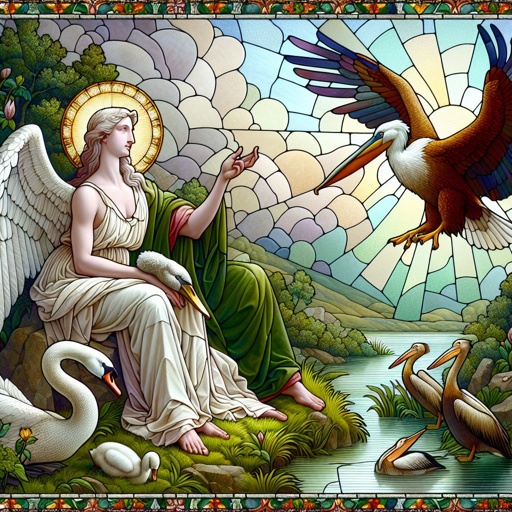
Leviticus 11:18 - "And the swan, and the pelican, and the gier eagle,"

Leviticus 25:24 - "And in all the land of your possession ye shall grant a redemption for the land."

Leviticus 21:24 - "And Moses told it unto Aaron, and to his sons, and unto all the children of Israel."

Romans 2:4

Leviticus 11:17 - "And the little owl, and the cormorant, and the great owl,"

Leviticus 11:14 - "And the vulture, and the kite after his kind;"

Leviticus 11:15 - "Every raven after his kind;"

Leviticus 19:24 - "But in the fourth year all the fruit thereof shall be holy to praise the LORD withal."

Leviticus 24:4 - "He shall order the lamps upon the pure candlestick before the LORD continually."

James 1: 2-4

Leviticus 11:30 - "And the ferret, and the chameleon, and the lizard, and the snail, and the mole."

"¶ And the LORD spake unto Moses, saying," - Leviticus 6:24

Leviticus 11:19 - "And the stork, the heron after her kind, and the lapwing, and the bat."

Leviticus 24:21 - "And he that killeth a beast, he shall restore it: and he that killeth a man, he shall be put to death."
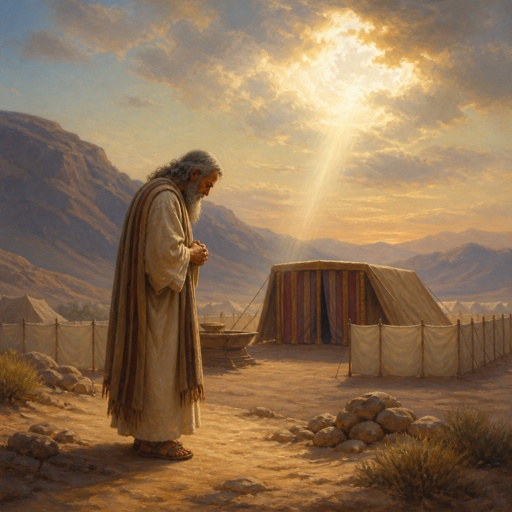
"And the LORD spake unto Moses, saying," - Leviticus 24:13
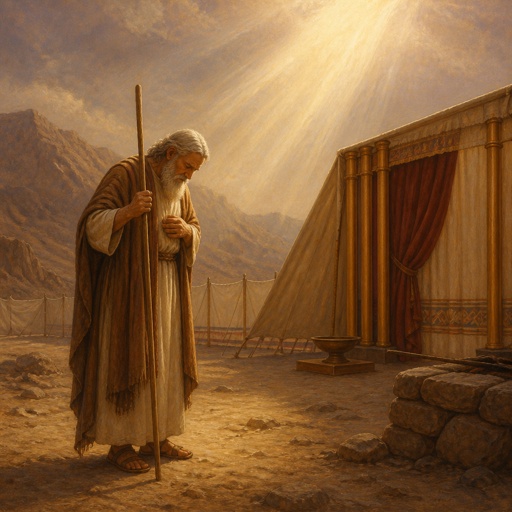
"And the LORD spake unto Moses, saying," - Leviticus 24:1