What does Leviticus 24:15 mean?
“And thou shalt speak unto the children of Israel, saying, Whosoever curseth his God shall bear his sin.” — Leviticus 24:15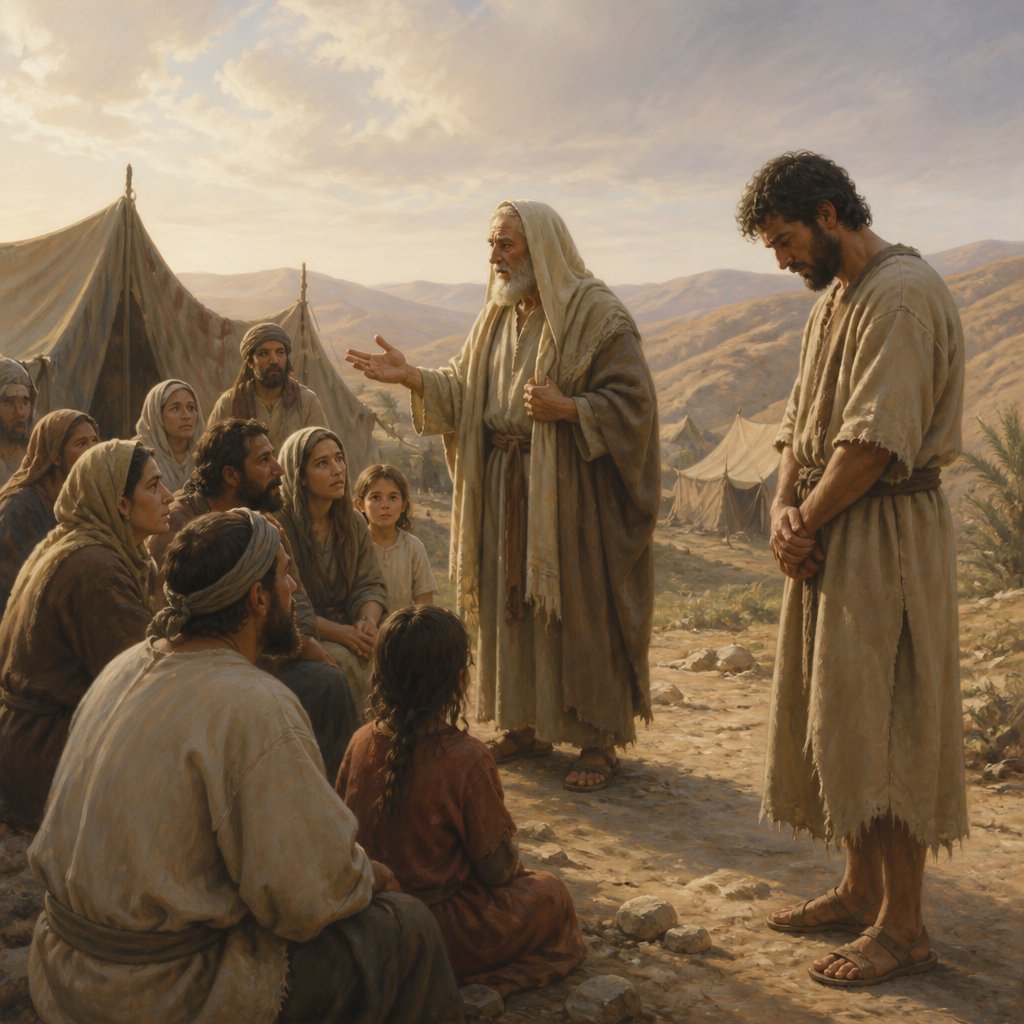
Leviticus 24:15 in the King James Version of the Bible reads, "And thou shalt speak unto the children of Israel, saying, Whosoever curseth his God shall bear his sin."
This verse is found in the Book of Leviticus, which is the third book of the Bible. Leviticus is a crucial book in the Old Testament as it outlines the laws and regulations that the Israelites were to follow in order to maintain a righteous and holy standing before God. The verse specifically deals with the consequence of cursing God, emphasizing the severity of such an action and the responsibility that comes with it.
The context of this verse is a part of the larger section in Leviticus that outlines various laws and regulations for the Israelites to follow. In the previous verses, God gives instructions for the lamp in the tabernacle to burn continually and for the showbread to be set out every Sabbath. The verse in question follows these instructions and serves as a reminder to the Israelites of the severity of cursing God.
The theme of reverence and respect for God is central to this verse. Cursing God is seen as a direct affront to His authority and sovereignty. In the Old Testament, the Israelites were under the Mosaic Law, and any transgression against God's commands had serious consequences. This verse serves as a warning to the Israelites that cursing God was a sin that would not go unpunished.
The verse also underscores the concept of personal responsibility for sin. By stating that the one who curses God will "bear his sin," the verse highlights the idea that each individual is accountable for their actions before God. This accountability extends to the consequences of sinful behavior, and in this case, the punishment for cursing God.
Furthermore, the verse can be seen as a reflection of the divine justice of God. The idea that one will "bear his sin" for cursing God speaks to the principle of reaping what one sows. In the biblical context, sin has consequences, and God is just in dealing with those who transgress His commands. This verse serves as a reminder of the righteousness and justice of God in dealing with sin and disobedience.
In terms of symbolism, the verse represents the sanctity and holiness of God. Cursing God is a direct violation of His divine nature and the reverence that is due to Him. The requirement for individuals to bear their sin serves as a reflection of the severity of the offense and the need for atonement. This can be seen as a foreshadowing of the ultimate atonement provided by Jesus Christ in the New Testament, where sins are borne by the Savior on behalf of humanity.
In conclusion, Leviticus 24:15 carries significant theological and moral implications within the broader context of the Old Testament. It emphasizes the themes of reverence for God, personal responsibility for sin, divine justice, and the sanctity of God. The verse serves as a poignant reminder of the consequences of disobedience and the need for atonement for sin. It also lays the groundwork for the concepts of redemption and grace that are further developed in the New Testament. As such, Leviticus 24:15 continues to hold relevance for believers in its portrayal of God's holiness, justice, and the need for repentance and reconciliation.
Get our apps


Artwork for Leviticus 24:15

Leviticus 24:15 - "And thou shalt speak unto the children of Israel, saying, Whosoever curseth his God shall bear his sin."
"And thou shalt speak unto the children of Israel, saying, Whosoever curseth his God shall bear his sin." - Leviticus 24:15

Leviticus 15:24 - "And if any man lie with her at all, and her flowers be upon him, he shall be unclean seven days; and all the bed whereon he lieth shall be unclean."

Leviticus 24:20-23

Leviticus 6:24 - "¶ And the LORD spake unto Moses, saying,"

Leviticus 24:1 - "And the LORD spake unto Moses, saying,"

Leviticus 24:13 - "And the LORD spake unto Moses, saying,"

Leviticus 24:12 - "And they put him in ward, that the mind of the LORD might be shewed them."

Leviticus 23:15-22

Leviticus 24:17 - "¶ And he that killeth any man shall surely be put to death."

Leviticus 24:18 - "And he that killeth a beast shall make it good; beast for beast."

Leviticus 11:15 - "Every raven after his kind;"

Leviticus 25:24 - "And in all the land of your possession ye shall grant a redemption for the land."

Leviticus 21:24 - "And Moses told it unto Aaron, and to his sons, and unto all the children of Israel."

Leviticus 15:1 - "And the LORD spake unto Moses and to Aaron, saying,"

Leviticus 19:24 - "But in the fourth year all the fruit thereof shall be holy to praise the LORD withal."

Leviticus 24:4 - "He shall order the lamps upon the pure candlestick before the LORD continually."

Leviticus 11:24 - "And for these ye shall be unclean: whosoever toucheth the carcase of them shall be unclean until the even."

Genesis 24-15

Joshua 24:15

Genesis 24:15

Joshua 24:15

Joshua 24:15

Matthew 24:15

"¶ And the LORD spake unto Moses, saying," - Leviticus 6:24
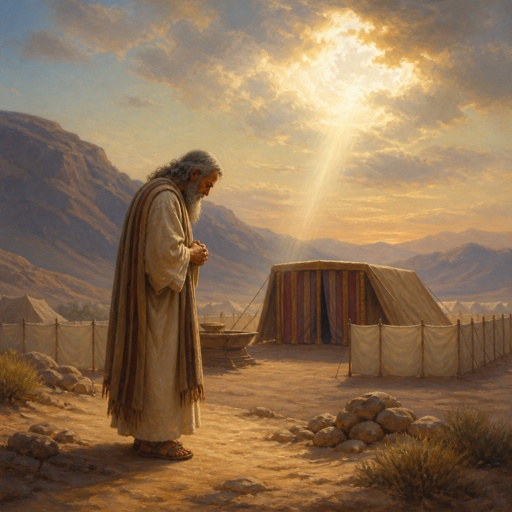
"And the LORD spake unto Moses, saying," - Leviticus 24:13
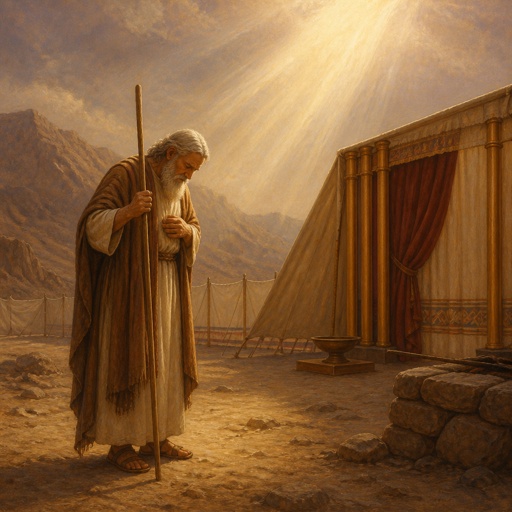
"And the LORD spake unto Moses, saying," - Leviticus 24:1

Leviticus 24:21 - "And he that killeth a beast, he shall restore it: and he that killeth a man, he shall be put to death."

Leviticus 24:19 - "And if a man cause a blemish in his neighbour; as he hath done, so shall it be done to him;"
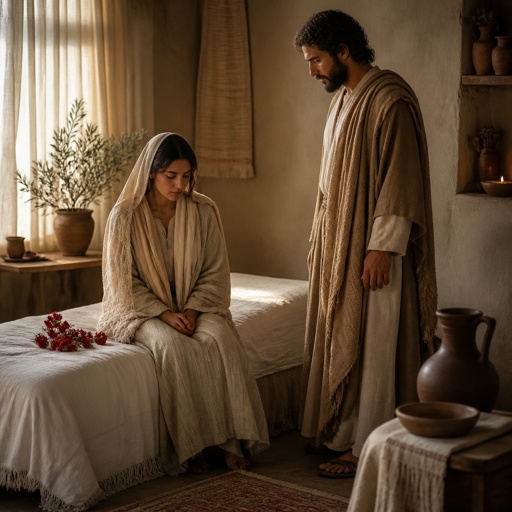
"And if any man lie with her at all, and her flowers be upon him, he shall be unclean seven days; and all the bed whereon he lieth shall be unclean." - Leviticus 15:24