What does Leviticus 24:6 mean?
“And thou shalt set them in two rows, six on a row, upon the pure table before the LORD.” — Leviticus 24:6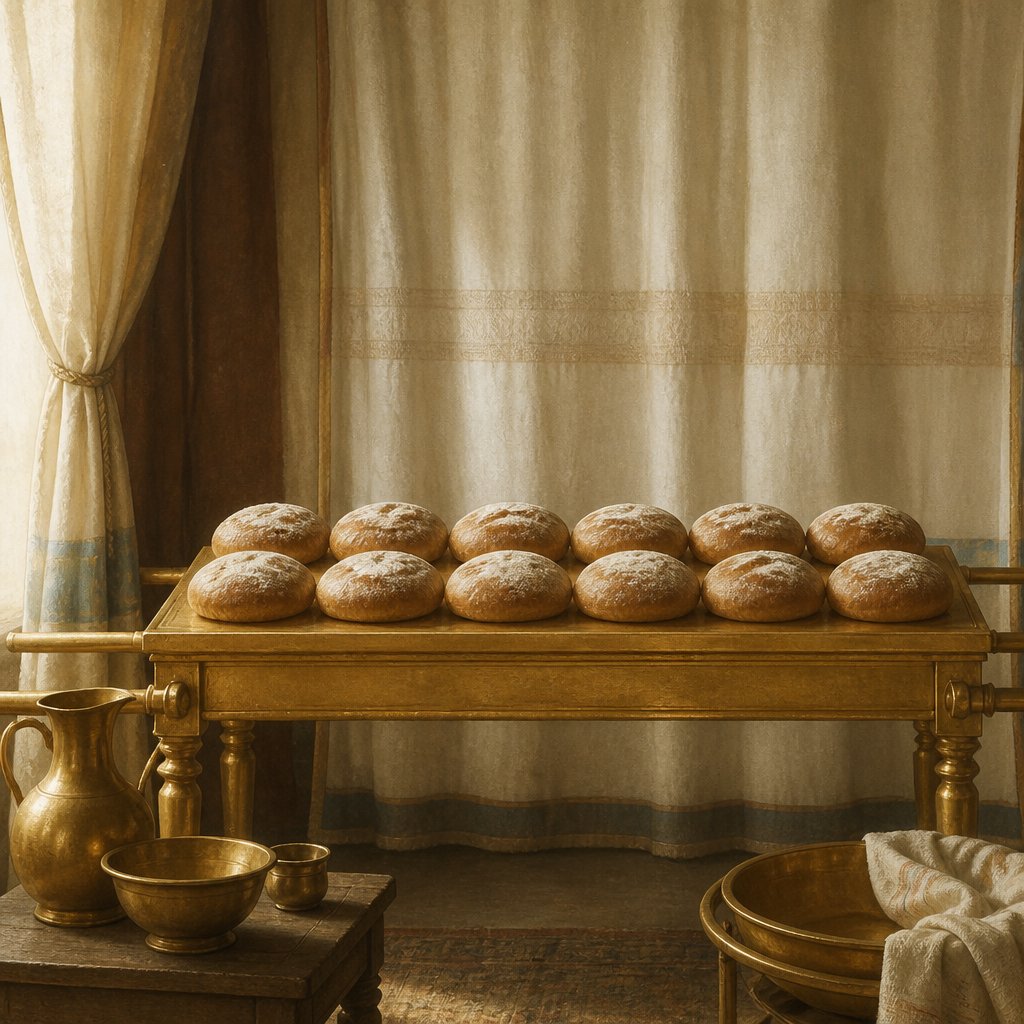
Leviticus 24:6 in the King James Version of the Bible reads: "And thou shalt set them in two rows, six on a row, upon the pure table before the Lord."
This verse comes from the book of Leviticus, which is the third book of the Old Testament in the Bible. Leviticus is primarily concerned with the laws and rituals of the Israelite people, and it contains a great deal of information about religious practices, sacrifices, and the role of priests in ancient Israel. This particular verse comes from a section of Leviticus that deals with the regulations for the bread of the presence, which was to be set out on a special table in the tabernacle or temple as an offering to the Lord.
The context of this verse is important for understanding its significance. In the preceding verses, the Lord gives instructions to Moses about how the bread of the presence is to be prepared and presented. According to these instructions, the bread is to be made from fine flour and baked into twelve loaves, which are then to be placed on a table in the tabernacle or temple. The bread is to be set out in two rows of six loaves each, and it is to be replaced with fresh bread each Sabbath. The bread is considered holy, and it is to be eaten only by the priests in a holy place.
One of the key themes of this verse is the concept of holiness and reverence for the Lord. The bread of the presence is set out on a pure table before the Lord, indicating that it is a sacred offering to be presented in a holy place. The careful preparation and presentation of the bread demonstrate the Israelites' respect for the Lord and their desire to offer him their best. This theme is consistent with the broader themes of Leviticus, which emphasize the importance of purity, obedience, and reverence in the worship of God.
Another important theme in this verse is the idea of provision and sustenance. The bread of the presence served as a reminder of God's provision for the Israelites during their time in the wilderness, and it represented their ongoing dependence on him for their daily bread. By setting out the bread on a regular basis in the presence of the Lord, the Israelites acknowledged their reliance on God for their physical and spiritual nourishment.
Symbolically, the bread of the presence can also be seen as a foreshadowing of the Eucharist in Christian tradition. The twelve loaves of bread, representing the twelve tribes of Israel, and the regular offering of the bread in a holy place are reminiscent of the Christian ritual of communion, in which bread and wine are consecrated and consumed as a memorial of Jesus Christ's sacrifice. In this way, the bread of the presence can be seen as a precursor to the central sacrament of the Christian faith, emphasizing the continuity between the Old Testament and the New Testament.
In conclusion, Leviticus 24:6 is a verse that holds rich meaning within its context in the book of Leviticus. It reflects themes of holiness, provision, and dependence on God, and it carries symbolic significance that resonates with Christian tradition. As part of the broader tapestry of Levitical law and ritual, this verse serves as a reminder of the Israelites' commitment to honoring and serving the Lord in their worship and daily lives.
Get our apps


Artwork for Leviticus 24:6

Leviticus 24:6 - "And thou shalt set them in two rows, six on a row, upon the pure table before the LORD."
"And thou shalt set them in two rows, six on a row, upon the pure table before the LORD." - Leviticus 24:6

Leviticus 6:24 - "¶ And the LORD spake unto Moses, saying,"

"¶ And the LORD spake unto Moses, saying," - Leviticus 6:24

Leviticus 24:20-23

Leviticus 24:1 - "And the LORD spake unto Moses, saying,"

Leviticus 24:13 - "And the LORD spake unto Moses, saying,"

Leviticus 24:12 - "And they put him in ward, that the mind of the LORD might be shewed them."

Leviticus 24:17 - "¶ And he that killeth any man shall surely be put to death."

Leviticus 24:18 - "And he that killeth a beast shall make it good; beast for beast."

Leviticus 25:24 - "And in all the land of your possession ye shall grant a redemption for the land."

Leviticus 21:24 - "And Moses told it unto Aaron, and to his sons, and unto all the children of Israel."

Leviticus 26: 4-6

Leviticus 19:24 - "But in the fourth year all the fruit thereof shall be holy to praise the LORD withal."

Leviticus 24:4 - "He shall order the lamps upon the pure candlestick before the LORD continually."

Leviticus 11:24 - "And for these ye shall be unclean: whosoever toucheth the carcase of them shall be unclean until the even."
Leviticus 26: 4-6

Leviticus 26: 4-6

Leviticus 6:8 - "¶ And the LORD spake unto Moses, saying,"

Leviticus 24:21 - "And he that killeth a beast, he shall restore it: and he that killeth a man, he shall be put to death."
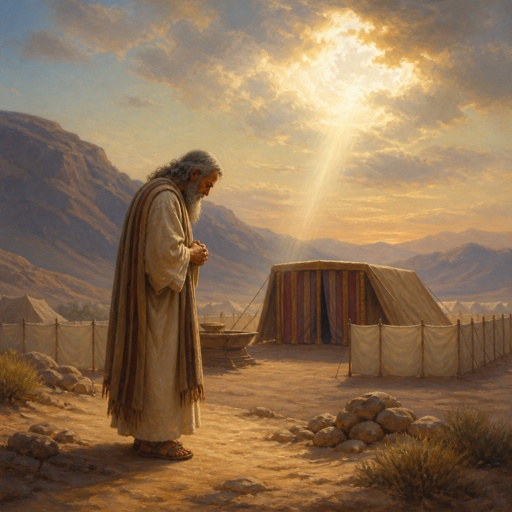
"And the LORD spake unto Moses, saying," - Leviticus 24:13
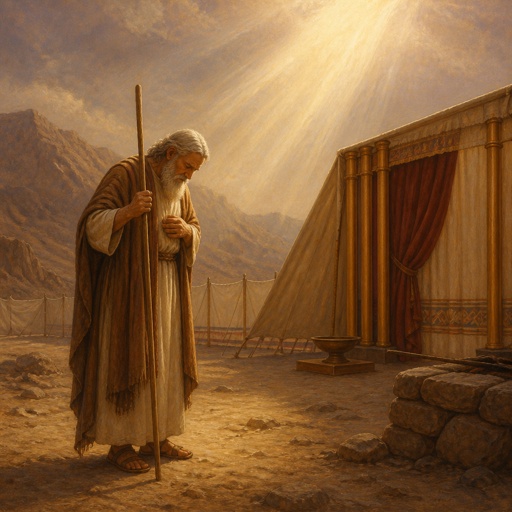
"And the LORD spake unto Moses, saying," - Leviticus 24:1

Leviticus 24:19 - "And if a man cause a blemish in his neighbour; as he hath done, so shall it be done to him;"

Leviticus 6:19 - "¶ And the LORD spake unto Moses, saying,"

Leviticus 6:1 - "And the LORD spake unto Moses, saying,"

Leviticus 26:24 - "Then will I also walk contrary unto you, and will punish you yet seven times for your sins."
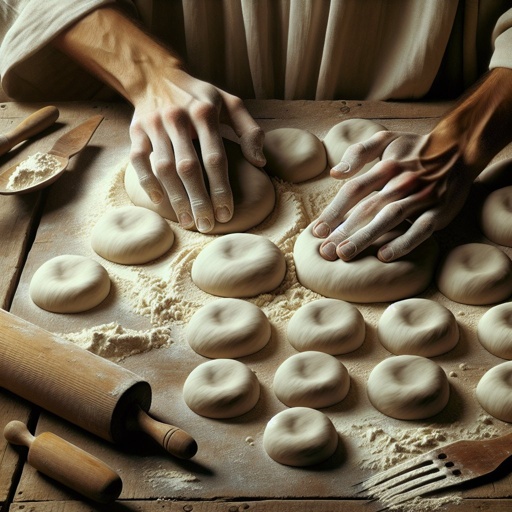
Leviticus 24:5 - "¶ And thou shalt take fine flour, and bake twelve cakes thereof: two tenth deals shall be in one cake."

Leviticus 24:15 - "And thou shalt speak unto the children of Israel, saying, Whosoever curseth his God shall bear his sin."

Matthew 6:24

Matthew 6:24