What does Leviticus 25:18 mean?
“Wherefore ye shall do my statutes, and keep my judgments, and do them; and ye shall dwell in the land in safety.” — Leviticus 25:18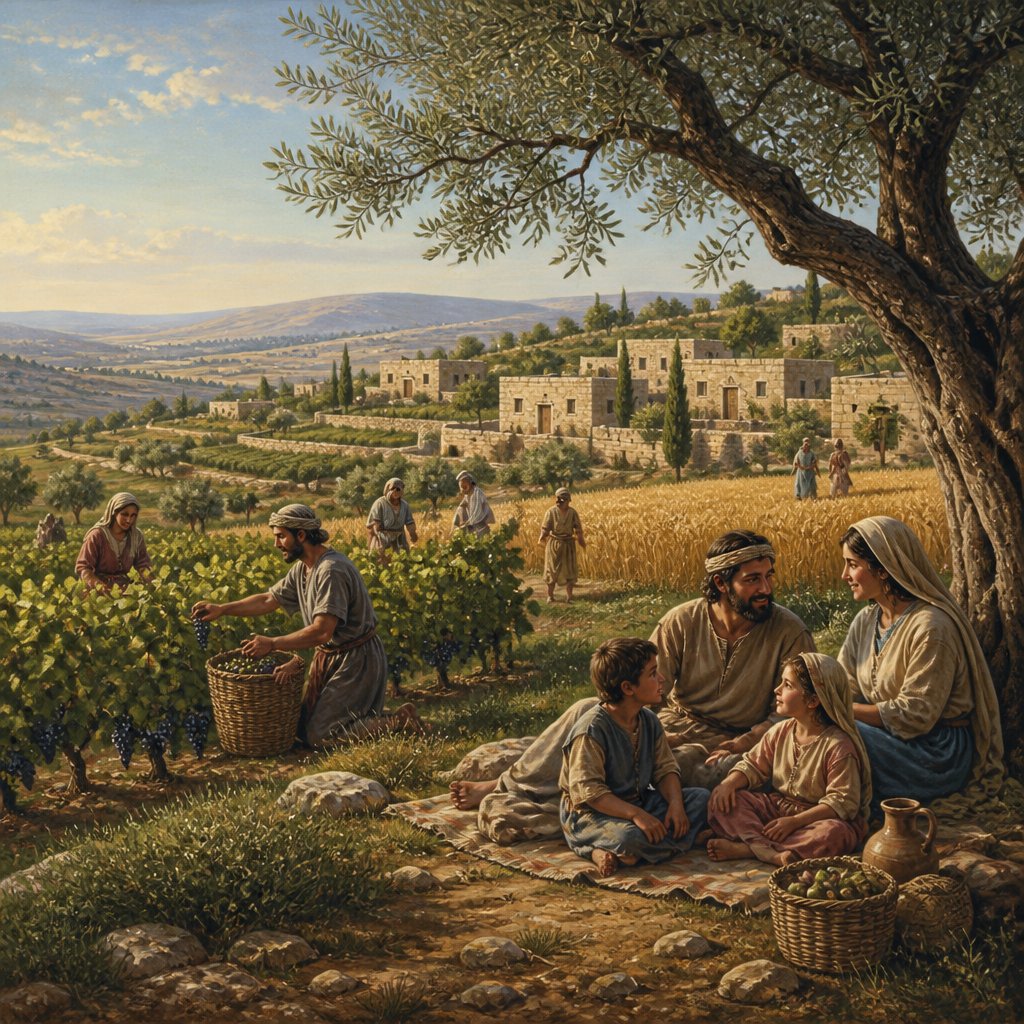
Leviticus 25:18 in the King James Version of the Bible reads, "Wherefore ye shall do my statutes, and keep my judgments, and do them; and ye shall dwell in the land in safety." This verse is found within a larger passage that outlines the laws and regulations surrounding the Sabbath year and the Year of Jubilee as prescribed by God to the Israelites.
The book of Leviticus is part of the Torah, the foundational text of the Hebrew Bible, and it focuses on the laws and regulations given to the Israelites by God through Moses. Leviticus 25 specifically details the institution of the Sabbath year, which was to be observed every seventh year, and the Year of Jubilee, which was to be observed every 50th year. During these times, the Israelites were commanded to let the land rest, to release debts, and to set free any Hebrew slaves.
In the broader context of Leviticus 25, God's commandments to the Israelites are designed to ensure justice, equity, and the well-being of the community. By giving the land a Sabbath rest every seven years and returning it to its original owners every 50 years during the Year of Jubilee, God was instituting practices that promoted stewardship of the land and preventing the concentration of wealth and power in the hands of a few.
At its core, Leviticus 25:18 emphasizes the importance of obedience to God's statutes and judgments. The verse begins with the word "Wherefore," which indicates that it is building upon the preceding verses that outline the laws and regulations governing the Sabbath year and the Year of Jubilee. By following God's commandments and maintaining justice in their dealings, the Israelites were promised security and safety in the land that was given to them by God.
The themes of obedience, justice, and stewardship are central to the meaning of this verse. Obedience to God's statutes and judgments was to be the guiding principle for the Israelites in their actions and decisions. This obedience was not simply a matter of outward observance, but it was to be an expression of their commitment to God and their covenant relationship with Him.
The idea of justice is woven throughout Leviticus 25, as God's laws were designed to promote fairness and compassion within the community. The Year of Jubilee, in particular, provided a mechanism for addressing economic inequality and ensuring that no one remained in a state of perpetual poverty or enslavement. By releasing debts and setting free those who had become indentured, the Year of Jubilee was a powerful expression of God's desire for a society where all members were cared for and had the opportunity for a fresh start.
Stewardship is also an important theme in this verse. The land was not simply a commodity to be exploited for personal gain, but it was a gift from God that was to be cared for and used in accordance with His purposes. By observing the Sabbath year and the Year of Jubilee, the Israelites were acknowledging God's ownership of the land and their responsibility to manage it in a way that honored Him.
The symbolism in this verse is connected to the broader theological understanding of the Israelites' relationship with God. The promise of security and safety in the land was not simply a guarantee of physical protection, but it also spoke to the deeper assurance of God's presence and providence. By living in obedience to God's statutes and judgments, the Israelites were aligning themselves with His will and inviting His blessings into their lives.
In conclusion, Leviticus 25:18 is a profound statement of God's desires for His people – that they would walk in obedience, uphold justice, and steward His gifts well. The verse holds timeless relevance, as it speaks to the universal human need for guidance, fairness, and a sense of purpose. Ultimately, it points to the inherent goodness and faithfulness of God, who longs for His people to thrive in His provision and care.
Get our apps


Artwork for Leviticus 25:18

Leviticus 25:18 - "¶ Wherefore ye shall do my statutes, and keep my judgments, and do them; and ye shall dwell in the land in safety."
"¶ Wherefore ye shall do my statutes, and keep my judgments, and do them; and ye shall dwell in the land in safety." - Leviticus 25:18

Leviticus 18:25 - "And the land is defiled: therefore I do visit the iniquity thereof upon it, and the land itself vomiteth out her inhabitants."
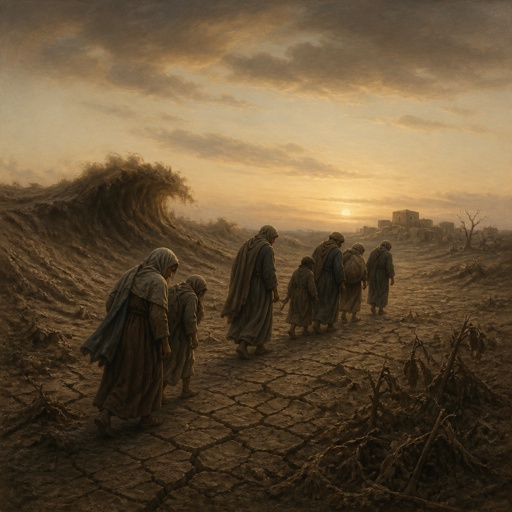
"And the land is defiled: therefore I do visit the iniquity thereof upon it, and the land itself vomiteth out her inhabitants." - Leviticus 18:25

Leviticus 25:26 - "And if the man have none to redeem it, and himself be able to redeem it;"

Leviticus 25:34 - "But the field of the suburbs of their cities may not be sold; for it is their perpetual possession."

Leviticus 25:1 - "And the LORD spake unto Moses in mount Sinai, saying,"

Leviticus 16:25 - "And the fat of the sin offering shall he burn upon the altar."
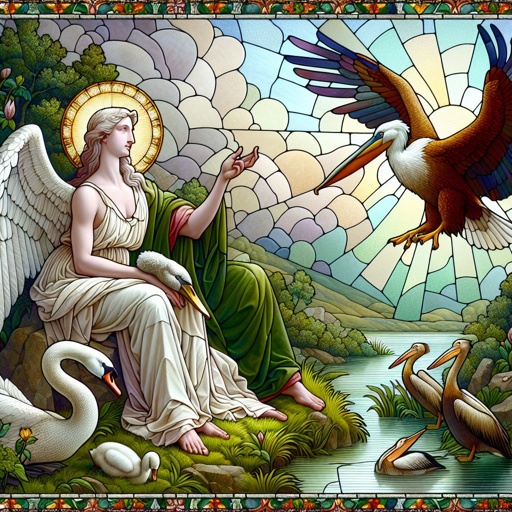
Leviticus 11:18 - "And the swan, and the pelican, and the gier eagle,"

John 18:25

Genesis 18-25

Genesis 18:25

Leviticus 25:24 - "And in all the land of your possession ye shall grant a redemption for the land."

Leviticus 18:1 - "And the LORD spake unto Moses, saying,"

Genesis 25-18

Leviticus 25:13 - "In the year of this jubile ye shall return every man unto his possession."

Leviticus 25:23 - "¶ The land shall not be sold for ever: for the land is mine; for ye are strangers and sojourners with me."
Leviticus 25:7 - "And for thy cattle, and for the beast that are in thy land, shall all the increase thereof be meat."

Leviticus 18:22 - "Thou shalt not lie with mankind, as with womankind: it is abomination."
Leviticus 25:43 - "Thou shalt not rule over him with rigour; but shalt fear thy God."

Leviticus 25:32 - "Notwithstanding the cities of the Levites, and the houses of the cities of their possession, may the Levites redeem at any time."

Leviticus 27:25 - "And all thy estimations shall be according to the shekel of the sanctuary: twenty gerahs shall be the shekel."

Leviticus 25:25 - "¶ If thy brother be waxen poor, and hath sold away some of his possession, and if any of his kin come to redeem it, then shall he redeem that which his brother sold."

Joshua 18:25 - "Gibeon, and Ramah, and Beeroth,"

Leviticus 25:12 - "For it is the jubile; it shall be holy unto you: ye shall eat the increase thereof out of the field."

Leviticus 25:40 - "But as an hired servant, and as a sojourner, he shall be with thee, and shall serve thee unto the year of jubile:"

Cycle of sabbath rest year. Leviticus 25:1-7

Leviticus 18:18 - "Neither shalt thou take a wife to her sister, to vex her, to uncover her nakedness, beside the other in her life time."

Leviticus 13:18 - "¶ The flesh also, in which, even in the skin thereof, was a boil, and is healed,"

Leviticus 25:42 - "For they are my servants, which I brought forth out of the land of Egypt: they shall not be sold as bondmen."