What does Leviticus 25:20 mean?
“And if ye shall say, What shall we eat the seventh year? behold, we shall not sow, nor gather in our increase:” — Leviticus 25:20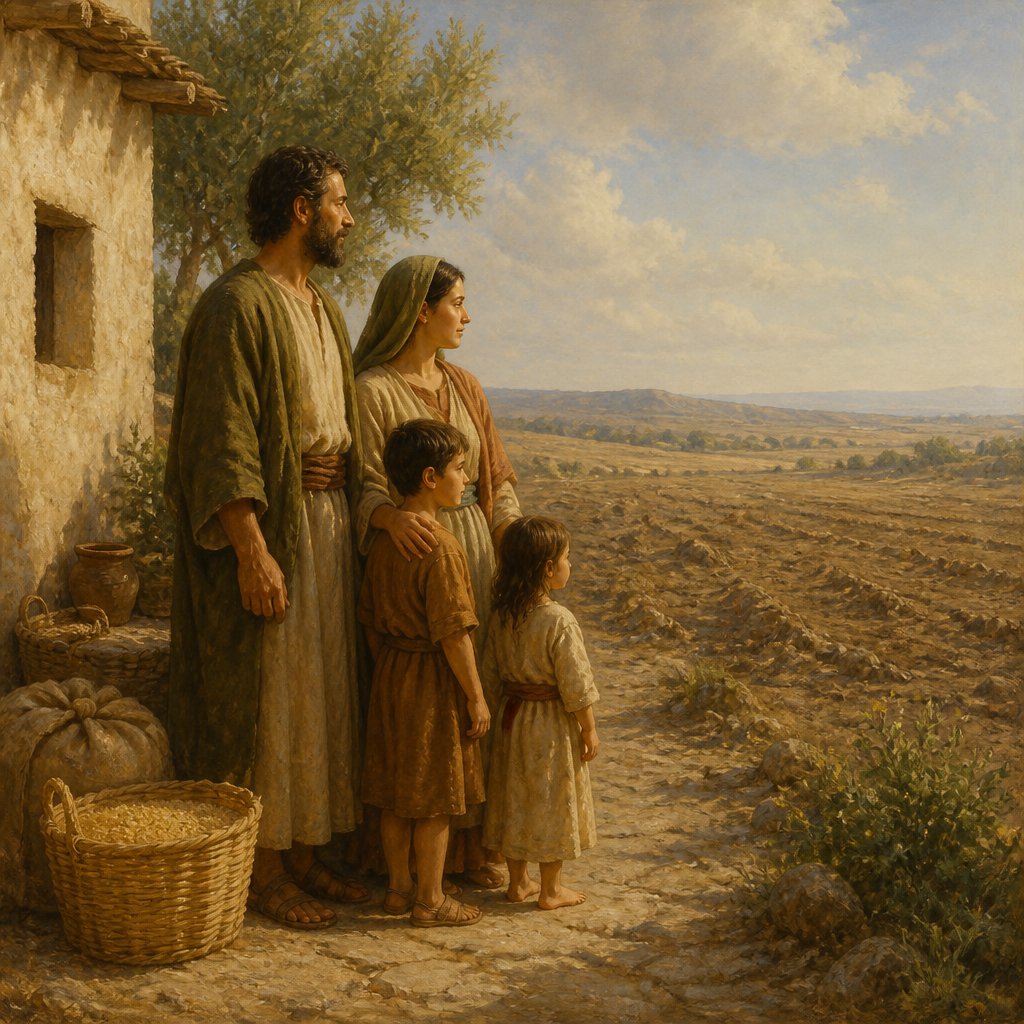
Leviticus 25:20 (KJV) reads, "And if ye shall say, What shall we eat the seventh year? behold, we shall not sow, nor gather in our increase."
This verse is found in the Old Testament book of Leviticus, where God gives specific instructions to the children of Israel on how to live a holy and righteous life according to His commandments. The book of Leviticus is primarily concerned with laws and regulations for ritual and moral purity, as well as guidelines for worship and sacrifice. In this particular verse, God is instructing the Israelites on how to observe the sabbath year, also known as the year of Jubilee.
The sabbath year was a time of rest and renewal for the land, where the Israelites were commanded to let the land lay fallow and not sow any crops. This practice was meant to demonstrate the Israelites' trust in God's provision, as well as to give the land time to rest and replenish its nutrients. Despite the potential concern of not being able to sow or gather in the seventh year, God promises to provide for their needs and sustain them during this period of rest.
One of the key themes in this verse is the concept of trust in God's provision. The Israelites were being asked to rely on God's faithfulness to sustain them even during a time when they were not actively working the land. This principle of trust in God's provision is a recurring theme throughout the Bible and serves as a foundational principle for the Christian faith. Jesus himself taught his disciples to trust in God's provision, stating in Matthew 6:26, "Look at the birds of the air; they do not sow or reap or store away in barns, and yet your heavenly Father feeds them. Are you not much more valuable than they?"
Another important theme in this verse is the concept of stewardship of the land. The sabbath year was a tangible demonstration of the Israelites' care for the earth and their recognition that the land ultimately belonged to God. This principle of stewardship and care for the environment is still relevant today, as Christians are called to be responsible caretakers of God's creation.
The wider context of Leviticus 25 reveals that the year of Jubilee was a time of social and economic justice, where slaves were set free, debts were forgiven, and property was returned to its original owner. This emphasis on social justice and economic fairness aligns with broader biblical themes of caring for the vulnerable and marginalized in society.
Symbolically, the sabbath year and the year of Jubilee point forward to the ultimate rest and restoration that will be brought about by the Messiah. In the New Testament, Jesus is portrayed as the fulfillment of the year of Jubilee, providing spiritual freedom and restoration for all who believe in him. As Hebrews 4:9-10 explains, "There remains, then, a Sabbath-rest for the people of God; for anyone who enters God's rest also rests from their works, just as God did from his."
In conclusion, Leviticus 25:20 demonstrates the themes of trust in God's provision, stewardship of the earth, and social justice. It also points forward to the ultimate rest and restoration that Jesus offers to all who place their trust in him. This verse serves as a reminder to Christians today to trust in God's provision, care for the environment, and seek justice for the marginalized in society. It also points us to the hope of ultimate rest and renewal found in Christ.
Get our apps


Artwork for Leviticus 25:20

Leviticus 25:20 - "And if ye shall say, What shall we eat the seventh year? behold, we shall not sow, nor gather in our increase:"
"And if ye shall say, What shall we eat the seventh year? behold, we shall not sow, nor gather in our increase:" - Leviticus 25:20

Leviticus 20:25 - "Ye shall therefore put difference between clean beasts and unclean, and between unclean fowls and clean: and ye shall not make your souls abominable by beast, or by fowl, or by any manner of living thing that creepeth on the ground, which I have separated from you as unclean."

Leviticus 23:20

Leviticus 24:20-23

Leviticus 25:26 - "And if the man have none to redeem it, and himself be able to redeem it;"

Leviticus 25:34 - "But the field of the suburbs of their cities may not be sold; for it is their perpetual possession."

Leviticus 25:1 - "And the LORD spake unto Moses in mount Sinai, saying,"

Leviticus 16:25 - "And the fat of the sin offering shall he burn upon the altar."

Leviticus 20:1 - "And the LORD spake unto Moses, saying,"

Leviticus 10:20 - "And when Moses heard that, he was content."

Leviticus 25:24 - "And in all the land of your possession ye shall grant a redemption for the land."

Leviticus 25:13 - "In the year of this jubile ye shall return every man unto his possession."

Leviticus 25:23 - "¶ The land shall not be sold for ever: for the land is mine; for ye are strangers and sojourners with me."
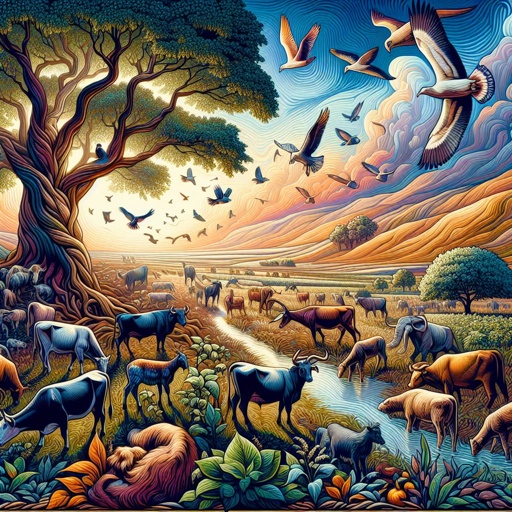
Leviticus 25:7 - "And for thy cattle, and for the beast that are in thy land, shall all the increase thereof be meat."
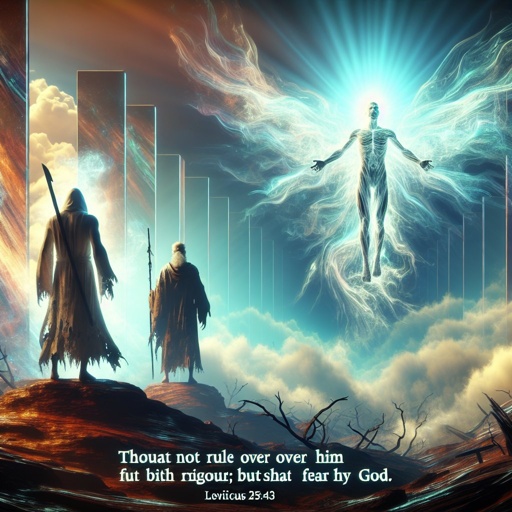
Leviticus 25:43 - "Thou shalt not rule over him with rigour; but shalt fear thy God."

Leviticus 25:32 - "Notwithstanding the cities of the Levites, and the houses of the cities of their possession, may the Levites redeem at any time."

Leviticus 27:25 - "And all thy estimations shall be according to the shekel of the sanctuary: twenty gerahs shall be the shekel."

Leviticus 20:22-26 simple picture

Picture to summarize Leviticus 20:22-26

Leviticus 25:25 - "¶ If thy brother be waxen poor, and hath sold away some of his possession, and if any of his kin come to redeem it, then shall he redeem that which his brother sold."

Leviticus 25:12 - "For it is the jubile; it shall be holy unto you: ye shall eat the increase thereof out of the field."

Leviticus 25:40 - "But as an hired servant, and as a sojourner, he shall be with thee, and shall serve thee unto the year of jubile:"

Cycle of sabbath rest year. Leviticus 25:1-7

Leviticus 20:20 - "And if a man shall lie with his uncle's wife, he hath uncovered his uncle's nakedness: they shall bear their sin; they shall die childless."

Leviticus 25:42 - "For they are my servants, which I brought forth out of the land of Egypt: they shall not be sold as bondmen."
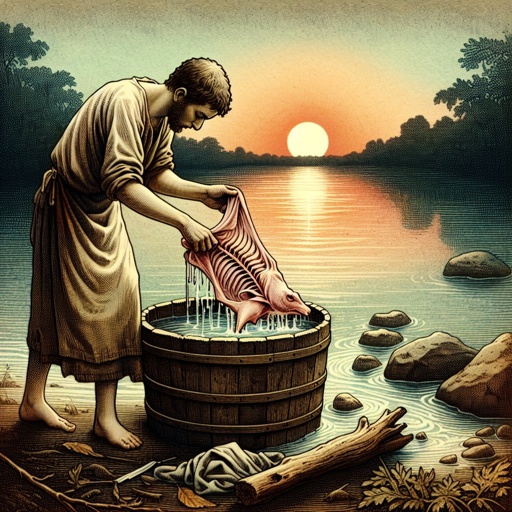
Leviticus 11:25 - "And whosoever beareth ought of the carcase of them shall wash his clothes, and be unclean until the even."

Leviticus 25:48 - "After that he is sold he may be redeemed again; one of his brethren may redeem him:"

Leviticus 9:20 - "And they put the fat upon the breasts, and he burnt the fat upon the altar:"

Leviticus 8:20 - "And he cut the ram into pieces; and Moses burnt the head, and the pieces, and the fat."