What does Leviticus 26:6 mean?
“And I will give peace in the land, and ye shall lie down, and none shall make you afraid: and I will rid evil beasts out of the land, neither shall the sword go through your land.” — Leviticus 26:6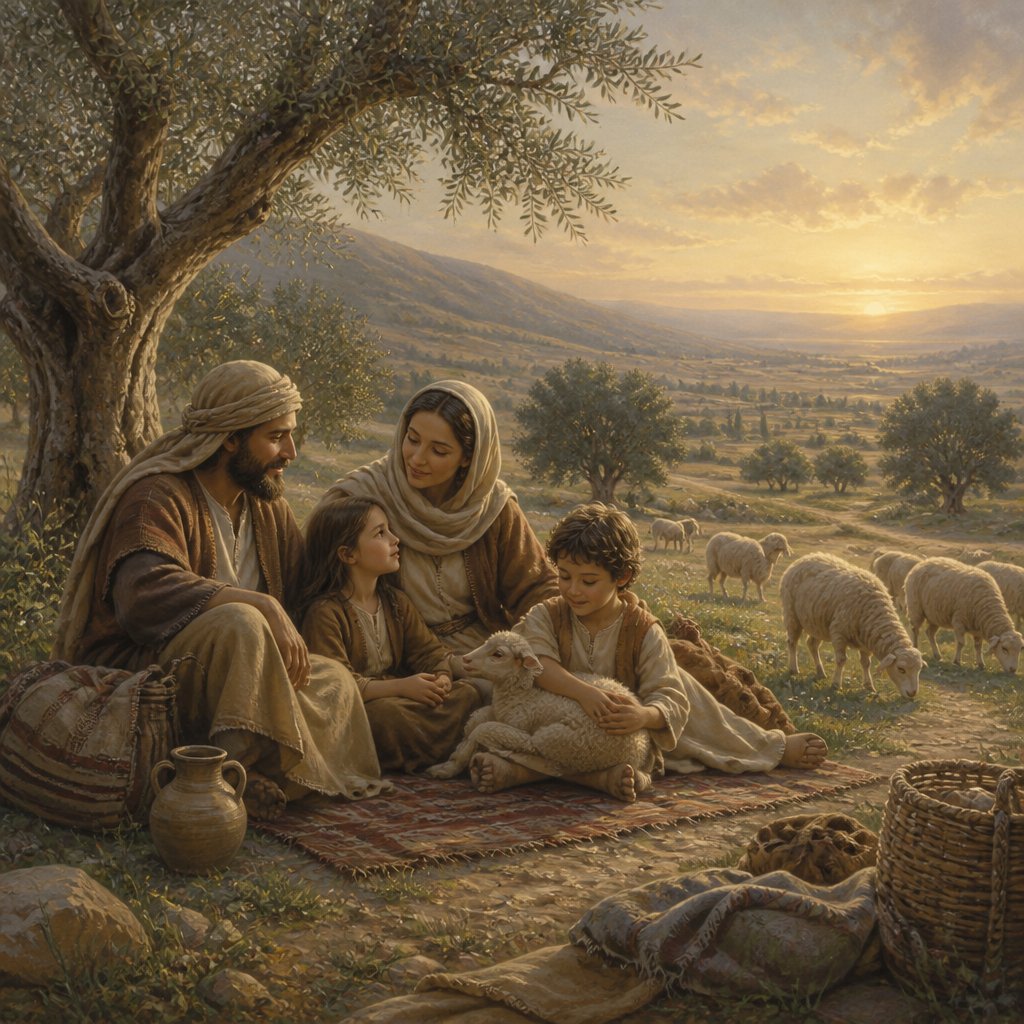
Leviticus 26:6 in the King James Version states, "And I will give peace in the land, and ye shall lie down, and none shall make you afraid: and I will rid evil beasts out of the land, neither shall the sword go through your land." This verse comes from the book of Leviticus, which is part of the Torah, the first five books of the Old Testament. Leviticus is primarily concerned with the laws and rituals of the Israelites, and this verse is found within a section that outlines the blessings for obedience to God's commandments.
The verse begins with the promise of peace in the land. Peace is a central theme in the Bible, and it is often associated with God's presence and favor. In this context, the peace that is promised is not just the absence of conflict, but a state of well-being and prosperity. This encompasses not only the physical safety of the people, but also the assurance of God's protection and provision.
The imagery of lying down without fear is significant, as it conveys a sense of security and rest. In a world filled with uncertainty and danger, the promise of being able to lie down without fear is a powerful one. It speaks to the deep human longing for safety and peace, and it highlights God's ability to provide these things for his people.
The next part of the verse promises the removal of evil beasts from the land. In the agricultural society of ancient Israel, wild animals posed a significant threat to both people and livestock. By vowing to rid the land of these dangers, God is once again demonstrating his care and protection for his people. This promise also carries a symbolic meaning, as evil beasts can represent the forces of chaos and destruction that threaten to disrupt God's order and plan for creation.
The final part of the verse speaks of the absence of the sword in the land. This is a direct reference to violence and war, which were constant threats in the ancient world. By pledging to keep the sword from entering the land, God is offering his people not only physical protection, but also the promise of peace and stability. This image also carries a spiritual dimension, as the sword is often used in the Bible as a symbol of judgment and conflict. The absence of the sword can therefore be seen as a sign of God's mercy and favor towards his people.
Overall, Leviticus 26:6 is a powerful affirmation of God's commitment to protect and bless his people. It speaks to the enduring human desire for peace and security, and it offers a vision of a world where fear and violence are replaced by trust and well-being. This verse is a reminder of God's faithfulness and a source of hope for those who look to him for guidance and deliverance.
In terms of context, Leviticus 26 is part of a larger section known as the "Blessings and Curses" passage. In this section, God outlines the rewards for obedience to his commandments, as well as the consequences for disobedience. The verses leading up to Leviticus 26:6 warn of the potential repercussions of turning away from God, including famine, defeat in battle, and captivity. In contrast, the verse itself represents the positive outcomes of remaining faithful to God and following his ways. This context adds depth to the promise of peace and protection found in Leviticus 26:6, as it underscores the importance of faith and obedience in the covenant relationship between God and his people.
In terms of symbolism, the imagery of peace, the removal of evil beasts, and the absence of the sword all point to God's power and sovereignty over the forces of chaos and destruction. They also foreshadow the ultimate fulfillment of these promises through the coming of Jesus Christ, who is described in the New Testament as the Prince of Peace and the one who has conquered sin and death. Leviticus 26:6 therefore serves as a precursor to the message of salvation and restoration that is central to the Christian faith.
In conclusion, Leviticus 26:6 is a rich and powerful verse that speaks to the fundamental human longing for peace and security. It is a testament to God's faithfulness and care for his people, and it offers a vision of a world free from fear and violence. When understood in its broader context and considered in light of its symbolic significance, this verse becomes a profound declaration of God's love and provision for his creation.
Get our apps


Artwork for Leviticus 26:6

Leviticus 26:6 - "And I will give peace in the land, and ye shall lie down, and none shall make you afraid: and I will rid evil beasts out of the land, neither shall the sword go through your land."
"And I will give peace in the land, and ye shall lie down, and none shall make you afraid: and I will rid evil beasts out of the land, neither shall the sword go through your land." - Leviticus 26:6

Leviticus 26: 4-6

Leviticus 26: 4-6
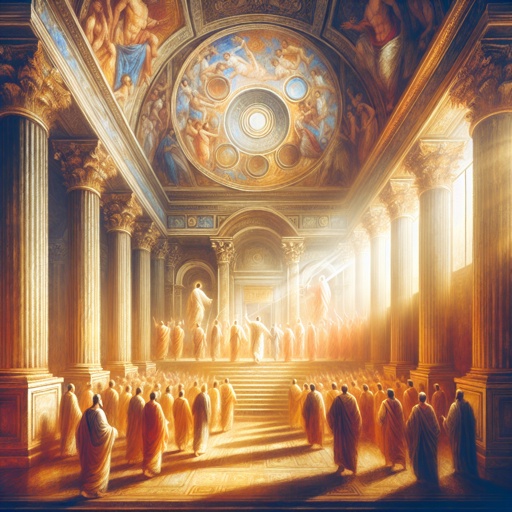
Leviticus 26: 4-6

Leviticus 6:26 - "The priest that offereth it for sin shall eat it: in the holy place shall it be eaten, in the court of the tabernacle of the congregation."
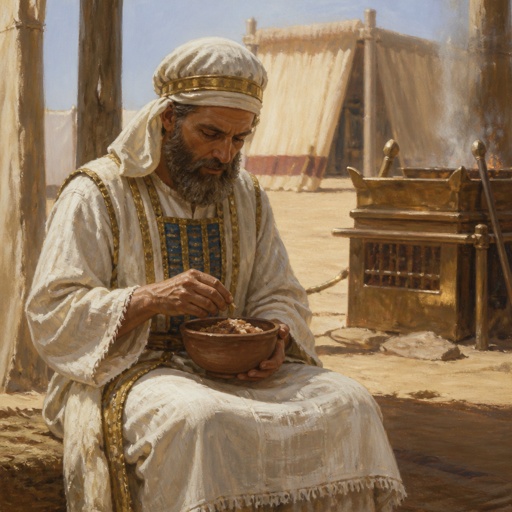
"The priest that offereth it for sin shall eat it: in the holy place shall it be eaten, in the court of the tabernacle of the congregation." - Leviticus 6:26

Leviticus 23:26 - "¶ And the LORD spake unto Moses, saying,"

Leviticus 22:26 - "¶ And the LORD spake unto Moses, saying,"

Leviticus 26:14 - "¶ But if ye will not hearken unto me, and will not do all these commandments;"

Leviticus 25:26 - "And if the man have none to redeem it, and himself be able to redeem it;"

Leviticus 20:22-26 simple picture

Picture to summarize Leviticus 20:22-26

Leviticus 26:23 - "And if ye will not be reformed by me by these things, but will walk contrary unto me;"

Leviticus 26:3 - "¶ If ye walk in my statutes, and keep my commandments, and do them;"

Leviticus 14:26 - "And the priest shall pour of the oil into the palm of his own left hand:"

Leviticus 26:27 - "And if ye will not for all this hearken unto me, but walk contrary unto me;"

Leviticus 26:7 - "And ye shall chase your enemies, and they shall fall before you by the sword."

Leviticus 26:12 - "And I will walk among you, and will be your God, and ye shall be my people."

Leviticus 26:10 - "And ye shall eat old store, and bring forth the old because of the new."

Leviticus 26:11 - "And I will set my tabernacle among you: and my soul shall not abhor you."

Leviticus 26:2 - "¶ Ye shall keep my sabbaths, and reverence my sanctuary: I am the LORD."

Leviticus 26:32 - "And I will bring the land into desolation: and your enemies which dwell therein shall be astonished at it."

Leviticus 26:38 - "And ye shall perish among the heathen, and the land of your enemies shall eat you up."
"¶ And the LORD spake unto Moses, saying," - Leviticus 23:26
"¶ And the LORD spake unto Moses, saying," - Leviticus 22:26

Leviticus 7:26 - "Moreover ye shall eat no manner of blood, whether it be of fowl or of beast, in any of your dwellings."

Leviticus 26:19 - "And I will break the pride of your power; and I will make your heaven as iron, and your earth as brass:"

Leviticus 26:26 - "And when I have broken the staff of your bread, ten women shall bake your bread in one oven, and they shall deliver you your bread again by weight: and ye shall eat, and not be satisfied."

Leviticus 26:24 - "Then will I also walk contrary unto you, and will punish you yet seven times for your sins."