What does Leviticus 27:20 mean?
“And if he will not redeem the field, or if he have sold the field to another man, it shall not be redeemed any more.” — Leviticus 27:20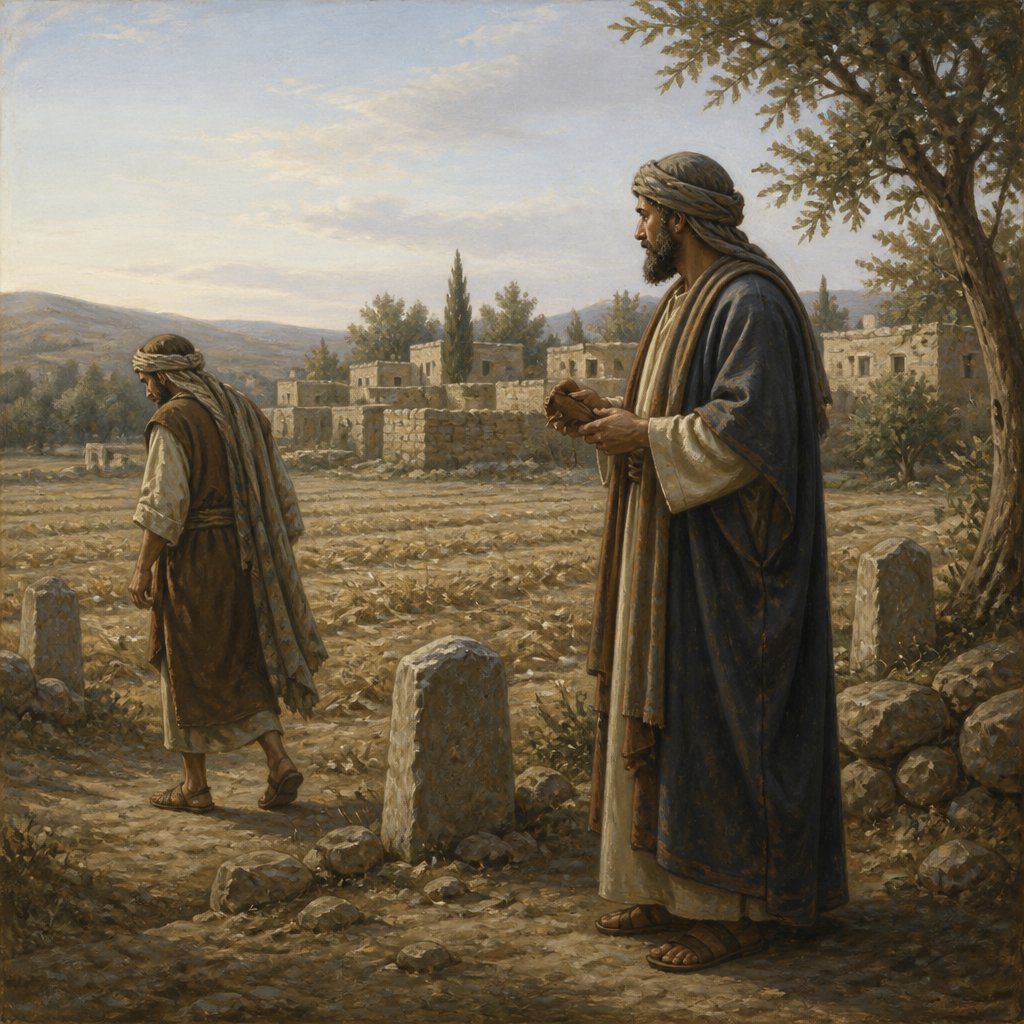
Leviticus 27:20 in the King James Version of the Bible states, "And if he will not redeem the field, or if he have sold the field to another man, it shall not be redeemed anymore."
To fully understand the meaning and context of this verse, it is important to consider the larger context of the book of Leviticus and the cultural and historical background of the Israelites during the time these laws were given.
The book of Leviticus was written to the Israelites by Moses, and it primarily deals with the laws and regulations given by God to the Israelites as they journeyed through the wilderness towards the Promised Land. The laws outlined in Leviticus were intended to govern all aspects of the Israelites' lives, including their worship, social interactions, and economic practices.
The specific verse in question, Leviticus 27:20, is part of a larger passage that addresses the redemption of property. The redemption of property was an important aspect of Israelite society, as it allowed individuals to regain ownership of land or other assets that had been lost or sold. This was particularly significant in an agrarian society where land was the primary source of wealth and sustenance.
In the verse, the phrase "if he will not redeem the field, or if he have sold the field to another man" refers to a situation where a person initially decides not to redeem a field that they have dedicated to the Lord, or if they have sold the field to someone else. The following statement, "it shall not be redeemed anymore," indicates that once the field has been sold to another person, it cannot be redeemed or reclaimed by the original owner.
One of the primary themes present in this verse is the concept of irreversible decisions and consequences. The Israelites were instructed to take seriously their commitments and decisions, especially when it came to matters of property and resources. Once a choice was made to sell or not redeem a field, it was final and binding, emphasizing the importance of personal responsibility and wise decision-making.
Furthermore, this verse reflects the importance of honoring commitments and fulfilling obligations. In the larger context of Leviticus, the redemption of property was a means of restoring what belonged to a person or their family. By adhering to these laws, the Israelites were demonstrating their commitment to justice, integrity, and the equitable distribution of resources within their community.
Symbolically, the concept of redemption in this verse can also be interpreted in a spiritual sense. Throughout the Bible, the idea of redemption is often associated with salvation and the restoration of a person's relationship with God. In this verse, the act of redeeming property can be seen as a parallel to the redemptive work of God, who offers grace and forgiveness to those who repent and turn back to Him.
In conclusion, Leviticus 27:20 presents a valuable lesson about the significance of responsible decision-making, honoring commitments, and the consequences of irreversible choices. It also underscores the broader themes of justice, stewardship, and the spiritual concept of redemption. As modern readers, we can draw from these principles to make conscientious decisions in our own lives and to appreciate the significance of redemption in our spiritual journey.
Get our apps


Artwork for Leviticus 27:20

Leviticus 27:20 - "And if he will not redeem the field, or if he have sold the field to another man, it shall not be redeemed any more."
"And if he will not redeem the field, or if he have sold the field to another man, it shall not be redeemed any more." - Leviticus 27:20

Leviticus 27

Leviticus 27

Leviticus 27

Leviticus 27:1 - "And the LORD spake unto Moses, saying,"

Leviticus 23:20

Leviticus 27:4 - "And if it be a female, then thy estimation shall be thirty shekels."

Leviticus 24:20-23

Exodus 27:20

Exodus 27:20

Leviticus 27:27 - "And if it be of an unclean beast, then he shall redeem it according to thine estimation, and shall add a fifth part of it thereto: or if it be not redeemed, then it shall be sold according to thy estimation."

John 20:27

Exodus 27:20

John 20:27

Leviticus 20:1 - "And the LORD spake unto Moses, saying,"

Leviticus 10:20 - "And when Moses heard that, he was content."

Leviticus 26:27 - "And if ye will not for all this hearken unto me, but walk contrary unto me;"

Leviticus 27:34 - "These are the commandments, which the LORD commanded Moses for the children of Israel in mount Sinai."
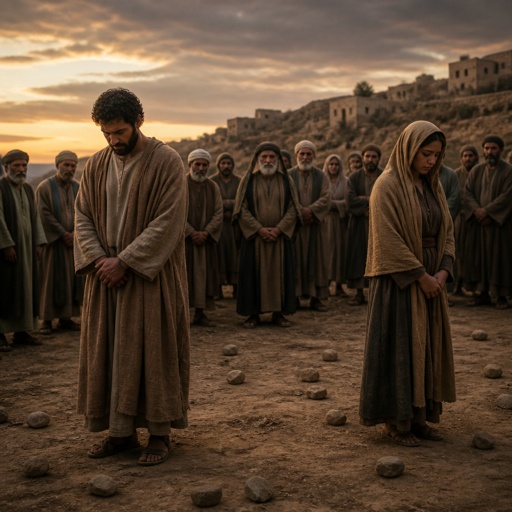
"¶ A man also or woman that hath a familiar spirit, or that is a wizard, shall surely be put to death: they shall stone them with stones: their blood shall be upon them." - Leviticus 20:27

Exodus 27:19-20

Leviticus 27:25 - "And all thy estimations shall be according to the shekel of the sanctuary: twenty gerahs shall be the shekel."

Leviticus 20:22-26 simple picture

Picture to summarize Leviticus 20:22-26

Leviticus 27:13 - "But if he will at all redeem it, then he shall add a fifth part thereof unto thy estimation."

Leviticus 27:30 - "And all the tithe of the land, whether of the seed of the land, or of the fruit of the tree, is the LORD'S: it is holy unto the LORD."

Leviticus 27:17 - "If he sanctify his field from the year of jubile, according to thy estimation it shall stand."

Leviticus 18:27 - "(For all these abominations have the men of the land done, which were before you, and the land is defiled;)"

"And the LORD spake unto Moses, saying," - Leviticus 27:1

Leviticus 27:31 - "And if a man will at all redeem ought of his tithes, he shall add thereto the fifth part thereof."