What does Leviticus 27:21 mean?
“But the field, when it goeth out in the jubile, shall be holy unto the LORD, as a field devoted; the possession thereof shall be the priest’s.” — Leviticus 27:21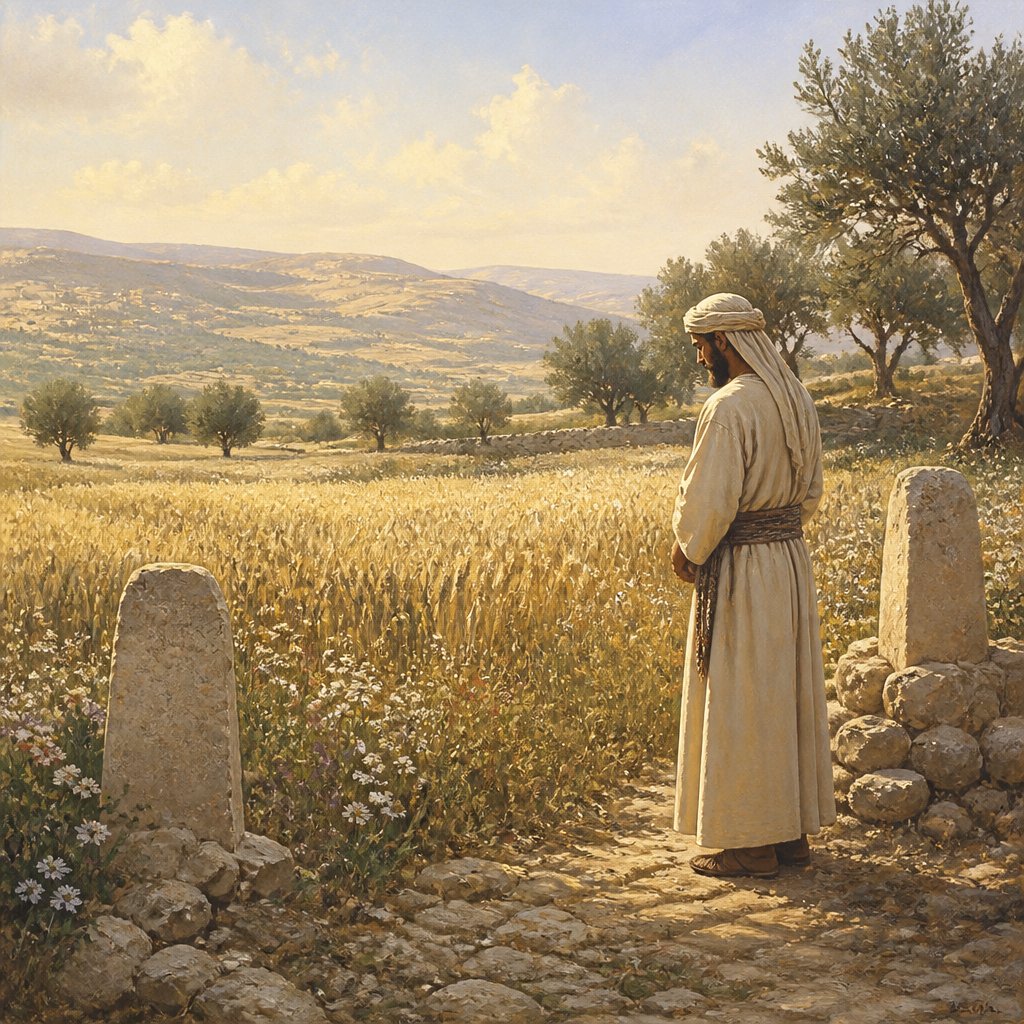
Leviticus 27:21 (KJV) states: "But the field, when it goeth out in the jubile, shall be holy unto the Lord, as a field devoted; the possession thereof shall be the priest's."
This verse comes from the book of Leviticus in the Old Testament, which is filled with laws and regulations that were given to the Israelites by God through Moses. The context of this particular verse is part of a larger section in which God outlines rules for redeeming dedicated property. In ancient Israel, land was a vital resource, and the ownership and use of it were of great importance to the people. This verse specifically addresses the rules governing the redemption and use of fields that have been dedicated to the Lord.
The theme of holiness is prominent in this verse. It speaks to the sacred nature of the land and emphasizes the importance of dedicating it to the Lord. The language used to describe the field as "holy unto the Lord" reinforces the idea that the land is set apart for divine purposes. This concept of holiness aligns with the broader theme of separation and purity that runs throughout the book of Leviticus. It reflects the Israelites' understanding that their relationship with God required them to uphold certain standards of righteousness and devotion.
Another key theme in this verse is the principle of stewardship. The verse indicates that the possession of the field ultimately belongs to the priest. This highlights the responsibility that the Levitical priesthood had in managing the dedicated property of the Lord. It underscores the idea that the priests were entrusted with the oversight of the holy land and were expected to ensure its proper use and preservation. This theme emphasizes the importance of faithful and responsible stewardship, a concept that is echoed throughout the Bible.
Symbolism is also present in this verse. The field can be seen as a representation of the Israelites' relationship with the land and with God. By designating the field as holy, the verse symbolizes the covenantal bond between the people and the Lord. The act of dedicating the land to the Lord serves as a visible expression of their commitment to Him and their recognition of His ownership over all things. This symbolism reinforces the broader message of the Israelites' dependence on God and their need to honor Him in every aspect of their lives.
The context of the Jubilee year, mentioned in the verse, is also significant. The Jubilee was a special time in the Israelite calendar when land was returned to its original owner, and those who had been enslaved were set free. This practice reflects God's concern for justice, equity, and the well-being of His people. It demonstrates His desire for the equitable distribution of resources and the fair treatment of all members of society. The reference to the Jubilee underscores the broader biblical theme of God's compassion and His call for His people to act justly and mercifully.
In conclusion, Leviticus 27:21 conveys themes of holiness, stewardship, and symbolism in the context of laws regarding the redemption of dedicated property. It reinforces the Israelites' commitment to God and serves as a reminder of their responsibility to honor Him in all aspects of their lives. The verse also reflects God's concern for justice and equity, emphasizing the importance of treating others fairly and with compassion. Overall, this verse provides valuable insights into the ancient Israelites' spiritual and ethical values, as well as the timeless principles of devotion and righteousness that are central to the Christian faith.
Get our apps


Artwork for Leviticus 27:21

Leviticus 27:21 - "But the field, when it goeth out in the jubile, shall be holy unto the LORD, as a field devoted; the possession thereof shall be the priest's."
"But the field, when it goeth out in the jubile, shall be holy unto the LORD, as a field devoted; the possession thereof shall be the priest's." - Leviticus 27:21

Leviticus 27

Leviticus 27

Leviticus 27

Leviticus 27:1 - "And the LORD spake unto Moses, saying,"

Leviticus 23:21

Leviticus 23:21

Leviticus 23:21

Leviticus 23:21

Leviticus 23:21

Leviticus 23:21

Leviticus 27:4 - "And if it be a female, then thy estimation shall be thirty shekels."

Leviticus 21:19 - "Or a man that is brokenfooted, or brokenhanded,"

Leviticus 27:27 - "And if it be of an unclean beast, then he shall redeem it according to thine estimation, and shall add a fifth part of it thereto: or if it be not redeemed, then it shall be sold according to thy estimation."

Genesis 21-27

Leviticus 26:27 - "And if ye will not for all this hearken unto me, but walk contrary unto me;"

Leviticus 27:34 - "These are the commandments, which the LORD commanded Moses for the children of Israel in mount Sinai."

Leviticus 21:16 - "¶ And the LORD spake unto Moses, saying,"

Leviticus 21:13 - "And he shall take a wife in her virginity."

Leviticus 27:25 - "And all thy estimations shall be according to the shekel of the sanctuary: twenty gerahs shall be the shekel."

Amos 5:21-27

Exodus 27:19-21

"Or a man that is brokenfooted, or brokenhanded," - Leviticus 21:19

Leviticus 27:13 - "But if he will at all redeem it, then he shall add a fifth part thereof unto thy estimation."

Leviticus 27:30 - "And all the tithe of the land, whether of the seed of the land, or of the fruit of the tree, is the LORD'S: it is holy unto the LORD."

Leviticus 27:17 - "If he sanctify his field from the year of jubile, according to thy estimation it shall stand."

Leviticus 18:27 - "(For all these abominations have the men of the land done, which were before you, and the land is defiled;)"

"And the LORD spake unto Moses, saying," - Leviticus 27:1

Leviticus 27:31 - "And if a man will at all redeem ought of his tithes, he shall add thereto the fifth part thereof."