What does Leviticus 27:22 mean?
“And if a man sanctify unto the LORD a field which he hath bought, which is not of the fields of his possession;” — Leviticus 27:22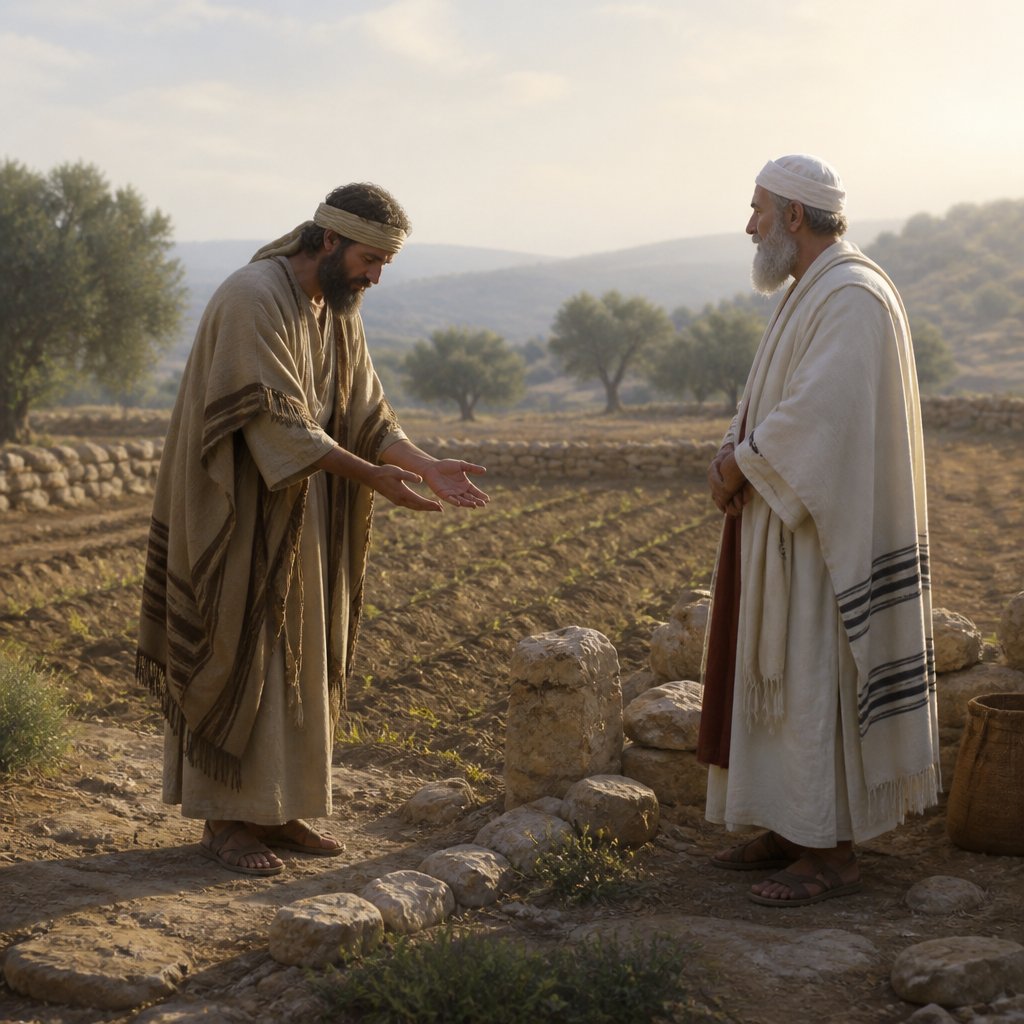
Leviticus 27:22 (KJV) reads: "And if a man sanctify unto the Lord a field which he hath bought, which is not of the fields of his possession;"
The book of Leviticus is the third book of the Bible and is filled with laws and regulations given to the Israelites by God through Moses. The verse in question, Leviticus 27:22, is part of a passage that deals with the redemption of offerings to the Lord. In this specific verse, God addresses the situation where a man sanctifies a field he has bought, but it is not from the fields of his possession. This verse is part of a larger passage discussing the redemption of vowed offerings and the valuation of different offerings to the Lord.
The context of this verse is important to understand its full meaning. In the preceding verses, Leviticus 27 outlines the rules for making a vow to the Lord with regards to dedicating something of value. The offering could be annulled or redeemed by the one who vowed it, and specific rules are laid out for each scenario. The chapter goes on to detail the valuation of different types of offerings - whether it is a person, an animal, a house, or a field. In the case of a field, the value is determined by the priest based on its quality, age, and productive capacity.
In Leviticus, the concept of sanctification, or setting something apart for the Lord, is a central theme. This verse emphasizes the importance of dedicating one's possessions to the service of the Lord. It highlights the idea that the act of sanctifying something is not limited to what one already owns, but it also extends to what one acquires. The Israelites were being instructed to hold nothing back from the Lord, and to consecrate everything, even things they had purchased, to His service.
The verse also underscores the significance of purity and holiness in the eyes of the Lord. The fields that the Israelites were required to sanctify were to be of the utmost quality, as only the best was deemed suitable for offerings to God. This symbolizes the idea that God deserves our best and that we should not offer Him anything that is second-rate or flawed. It also speaks to the idea of stewardship, as the Israelites were expected to take care of the land and resources that were entrusted to them, using them in a way that honored God.
The verse also symbolizes the idea that the Israelites, as God's chosen people, were to be set apart from the surrounding nations and dedicated wholly to the Lord. This notion of being separate and holy is a recurring theme throughout the book of Leviticus, as the Israelites were given specific laws and commandments that were meant to distinguish them from other nations and uphold a standard of holiness.
In a broader sense, this verse and the surrounding passages can also be seen as pointing towards Christ as the ultimate offering and sanctification. Just as the Israelites were required to offer their best and most valuable possessions to the Lord, God offered His only Son as a perfect and unblemished sacrifice for the redemption of humanity. The principles of sanctification, redemption, and offering are all fulfilled in the person of Jesus Christ.
In conclusion, Leviticus 27:22 serves as a reminder of the Israelites' duty to sanctify and dedicate their possessions to the Lord, as well as the importance of purity, stewardship, and holiness in the eyes of God. It also points to the ultimate fulfillment of these principles in Christ. This verse continues to hold significance for Christians today, reminding us of the importance of giving our best to the Lord and consecrating all aspects of our lives to His service.
Get our apps


Artwork for Leviticus 27:22

Leviticus 27:22 - "And if a man sanctify unto the LORD a field which he hath bought, which is not of the fields of his possession;"
"And if a man sanctify unto the LORD a field which he hath bought, which is not of the fields of his possession;" - Leviticus 27:22

Leviticus 22:27 - "When a bullock, or a sheep, or a goat, is brought forth, then it shall be seven days under the dam; and from the eighth day and thenceforth it shall be accepted for an offering made by fire unto the LORD."

Leviticus 27

Leviticus 27

Leviticus 27
Leviticus 11:22

Leviticus 27:1 - "And the LORD spake unto Moses, saying,"

Leviticus 27:4 - "And if it be a female, then thy estimation shall be thirty shekels."

Leviticus 23:15-22

Leviticus 23:17-22

Leviticus 27:27 - "And if it be of an unclean beast, then he shall redeem it according to thine estimation, and shall add a fifth part of it thereto: or if it be not redeemed, then it shall be sold according to thy estimation."

Leviticus 22:17 - "¶ And the LORD spake unto Moses, saying,"

Leviticus 7:22 - "¶ And the LORD spake unto Moses, saying,"

Leviticus 22:1 - "And the LORD spake unto Moses, saying,"

Leviticus 22:26 - "¶ And the LORD spake unto Moses, saying,"

Leviticus 26:27 - "And if ye will not for all this hearken unto me, but walk contrary unto me;"

Leviticus 27:34 - "These are the commandments, which the LORD commanded Moses for the children of Israel in mount Sinai."

Leviticus 18:22 - "Thou shalt not lie with mankind, as with womankind: it is abomination."
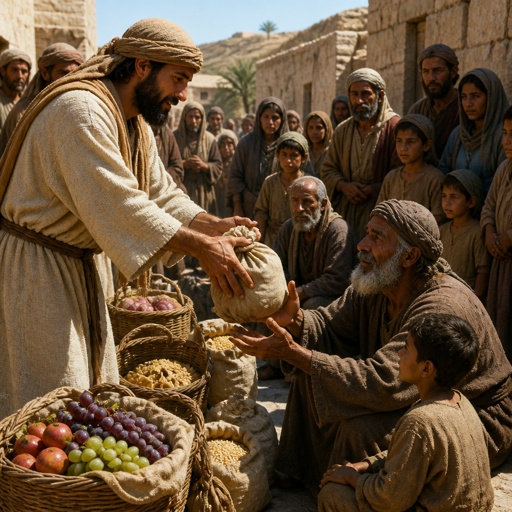
Deut 14:22-27

Leviticus 27:25 - "And all thy estimations shall be according to the shekel of the sanctuary: twenty gerahs shall be the shekel."

Leviticus 20:22-26 simple picture

Picture to summarize Leviticus 20:22-26

Leviticus 27:13 - "But if he will at all redeem it, then he shall add a fifth part thereof unto thy estimation."

Leviticus 27:30 - "And all the tithe of the land, whether of the seed of the land, or of the fruit of the tree, is the LORD'S: it is holy unto the LORD."

Leviticus 27:17 - "If he sanctify his field from the year of jubile, according to thy estimation it shall stand."

Leviticus 18:27 - "(For all these abominations have the men of the land done, which were before you, and the land is defiled;)"

"And the LORD spake unto Moses, saying," - Leviticus 27:1

Matthew 22:27 - "And last of all the woman died also."

Leviticus 27:31 - "And if a man will at all redeem ought of his tithes, he shall add thereto the fifth part thereof."