What does Leviticus 27:7 mean?
“And if it be from sixty years old and above; if it be a male, then thy estimation shall be fifteen shekels, and for the female ten shekels.” — Leviticus 27:7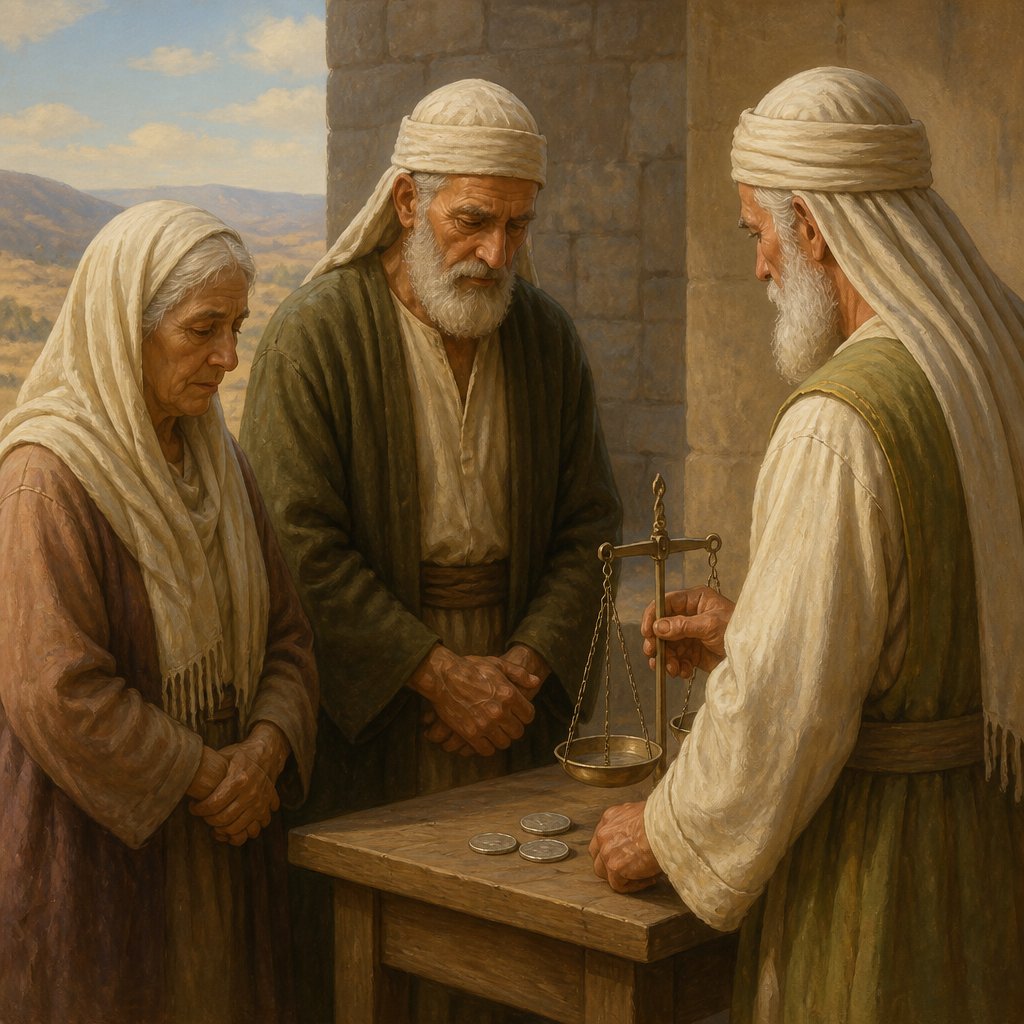
Leviticus 27:7 in the King James Version of the Bible reads, "And if it be from sixty years old and above; if it be a male, then thy estimation shall be fifteen shekels, and for a female ten shekels."
This verse comes from the book of Leviticus, which is the third book of the Hebrew Bible and the Old Testament of the Christian Bible. The book of Leviticus primarily focuses on the laws and regulations given to the Israelites by God, particularly in relation to their worship and religious practices. Leviticus 27 specifically deals with the laws concerning vows and dedications of value.
In the broader context of Leviticus 27, the chapter outlines the various ways in which a person can dedicate themselves or their possessions to the Lord. This could be done through a vow of consecration, where a person commits to giving the value of themselves or certain property to the service of the tabernacle, which is the sacred space where God was believed to dwell among the Israelites.
In verse 7, the specific instruction is given for the evaluation of the value of a person who is 60 years old or older. The text specifies that the value of a male who falls into this category is to be set at fifteen shekels, while the value of a female is to be set at ten shekels. It is important to note that shekels were a unit of measurement for weight and value in the ancient Near East, and were commonly used as a form of currency.
There are several themes and symbolic meanings that can be drawn from this verse. Firstly, the concept of valuation and worth is evident. In the context of dedicating oneself or one's possessions to God, the passage underscores the principle that everything has a value, and that value is determined within the framework of religious devotion. This emphasis on worth aligns with the broader theme of holiness and the sacred nature of the tabernacle.
Additionally, the distinction between the valuation of males and females raises questions about gender and equality. In the ancient Israelite society, as in many traditional cultures, there were distinct roles and expectations for men and women. This verse reflects those societal norms, with the valuation of older males set higher than that of older females. While this may seem discriminatory by modern standards, it is important to understand the historical context and the cultural practices of the time.
Furthermore, the age of 60 holds significance in this verse. In biblical numerology, the number 60 is associated with completion and fullness. This may indicate that a person who has reached this age has completed a full cycle of life and has accumulated a certain level of wisdom and experience. Thus, their value in the context of dedication to God is reflective of this stage of life.
In a broader theological context, this verse can also be interpreted as a reflection of the principle of stewardship. The act of dedicating oneself or one's possessions to God requires a deliberate recognition and acknowledgment of God's ownership and sovereignty. The value placed on individuals in this passage serves as a reminder that everything ultimately belongs to God, and we are called to be good stewards of what has been entrusted to us.
In conclusion, Leviticus 27:7 presents a specific instruction within the broader framework of the laws concerning vows and dedications to God. The verse carries themes of valuation, worth, age, gender roles, and stewardship, all of which can be analyzed and interpreted within the historical and theological context of the biblical text. These themes provide spiritual insights into the principles of devotion and the proper disposition of one's possessions in service to God.
Get our apps


Artwork for Leviticus 27:7

Leviticus 27:7 - "And if it be from sixty years old and above; if it be a male, then thy estimation shall be fifteen shekels, and for the female ten shekels."
"And if it be from sixty years old and above; if it be a male, then thy estimation shall be fifteen shekels, and for the female ten shekels." - Leviticus 27:7

Leviticus 27

Leviticus 27

Leviticus 27

Leviticus 27:1 - "And the LORD spake unto Moses, saying,"
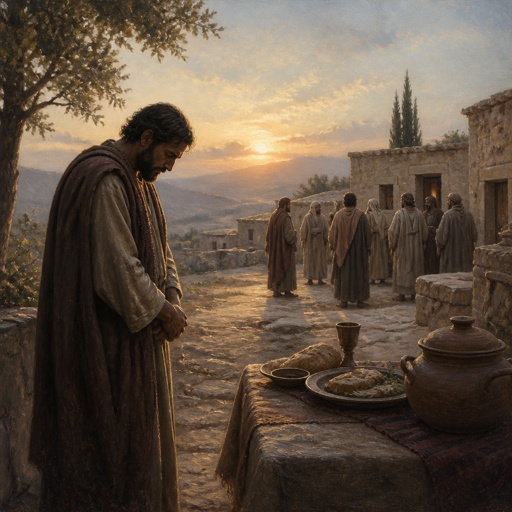
"Whatsoever soul it be that eateth any manner of blood, even that soul shall be cut off from his people." - Leviticus 7:27

Leviticus 27:4 - "And if it be a female, then thy estimation shall be thirty shekels."

Leviticus 27:27 - "And if it be of an unclean beast, then he shall redeem it according to thine estimation, and shall add a fifth part of it thereto: or if it be not redeemed, then it shall be sold according to thy estimation."

Leviticus 26:27 - "And if ye will not for all this hearken unto me, but walk contrary unto me;"

Leviticus 27:34 - "These are the commandments, which the LORD commanded Moses for the children of Israel in mount Sinai."

Leviticus 17:7

Leviticus 27:25 - "And all thy estimations shall be according to the shekel of the sanctuary: twenty gerahs shall be the shekel."

Leviticus 27:13 - "But if he will at all redeem it, then he shall add a fifth part thereof unto thy estimation."

Leviticus 27:30 - "And all the tithe of the land, whether of the seed of the land, or of the fruit of the tree, is the LORD'S: it is holy unto the LORD."

Leviticus 27:17 - "If he sanctify his field from the year of jubile, according to thy estimation it shall stand."

Leviticus 18:27 - "(For all these abominations have the men of the land done, which were before you, and the land is defiled;)"

"And the LORD spake unto Moses, saying," - Leviticus 27:1

leviticus 16:7-10

Leviticus 27:31 - "And if a man will at all redeem ought of his tithes, he shall add thereto the fifth part thereof."

Leviticus 27:12 - "And the priest shall value it, whether it be good or bad: as thou valuest it, who art the priest, so shall it be."

Leviticus 27:20 - "And if he will not redeem the field, or if he have sold the field to another man, it shall not be redeemed any more."

Leviticus 19:27 - "Ye shall not round the corners of your heads, neither shalt thou mar the corners of thy beard."

Leviticus 27:22 - "And if a man sanctify unto the LORD a field which he hath bought, which is not of the fields of his possession;"

Leviticus 27:32 - "And concerning the tithe of the herd, or of the flock, even of whatsoever passeth under the rod, the tenth shall be holy unto the LORD."

Leviticus 27:26 - "¶ Only the firstling of the beasts, which should be the LORD'S firstling, no man shall sanctify it; whether it be ox, or sheep: it is the LORD'S."
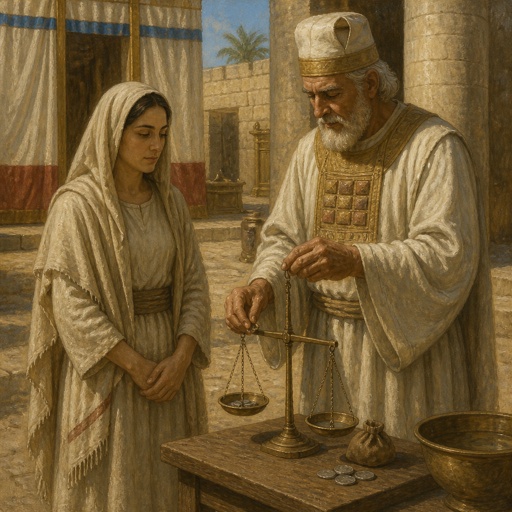
"And if it be a female, then thy estimation shall be thirty shekels." - Leviticus 27:4

Leviticus 27:21 - "But the field, when it goeth out in the jubile, shall be holy unto the LORD, as a field devoted; the possession thereof shall be the priest's."

Leviticus 14:27 - "And the priest shall sprinkle with his right finger some of the oil that is in his left hand seven times before the LORD:"

Leviticus 27:9 - "And if it be a beast, whereof men bring an offering unto the LORD, all that any man giveth of such unto the LORD shall be holy."